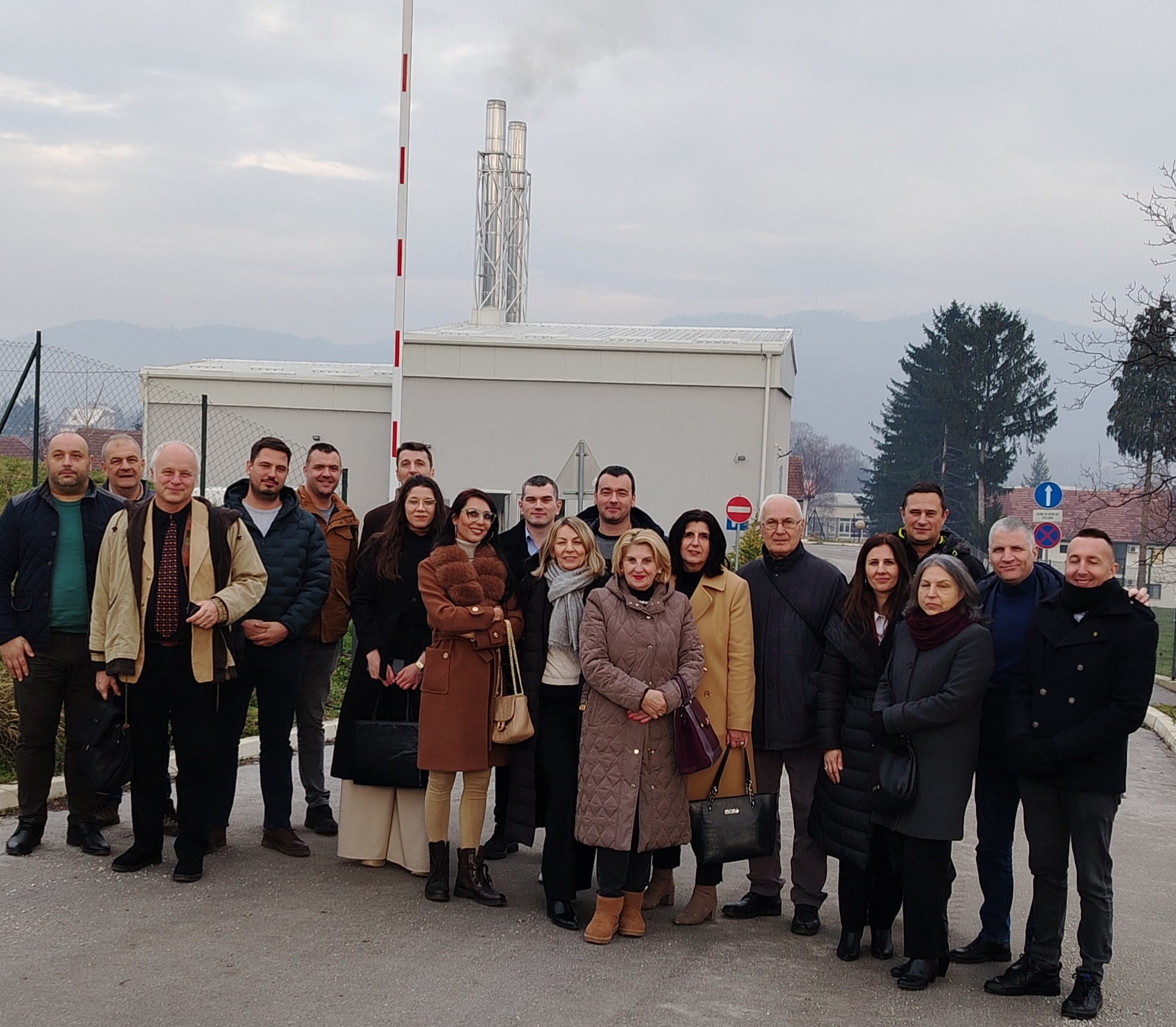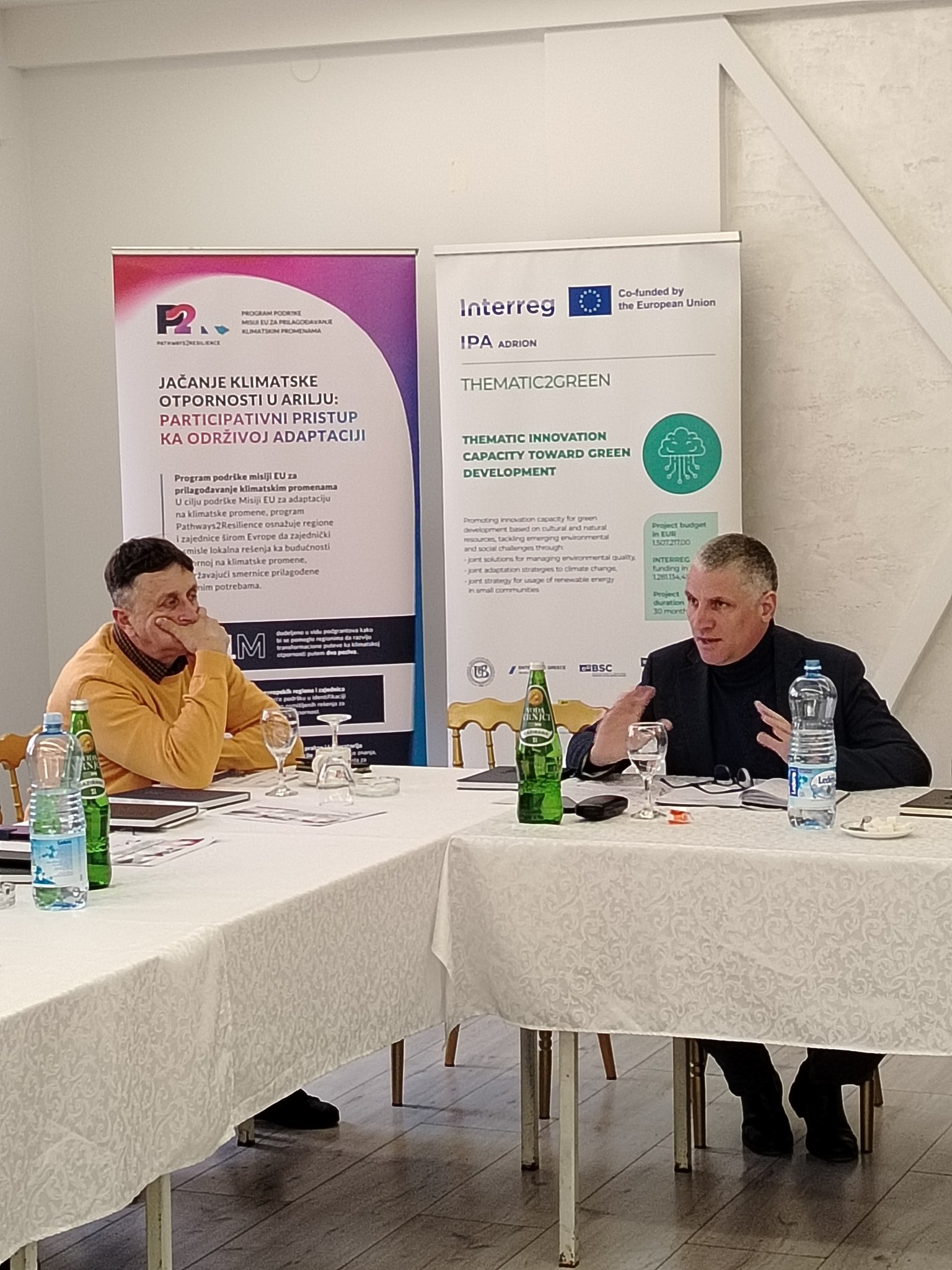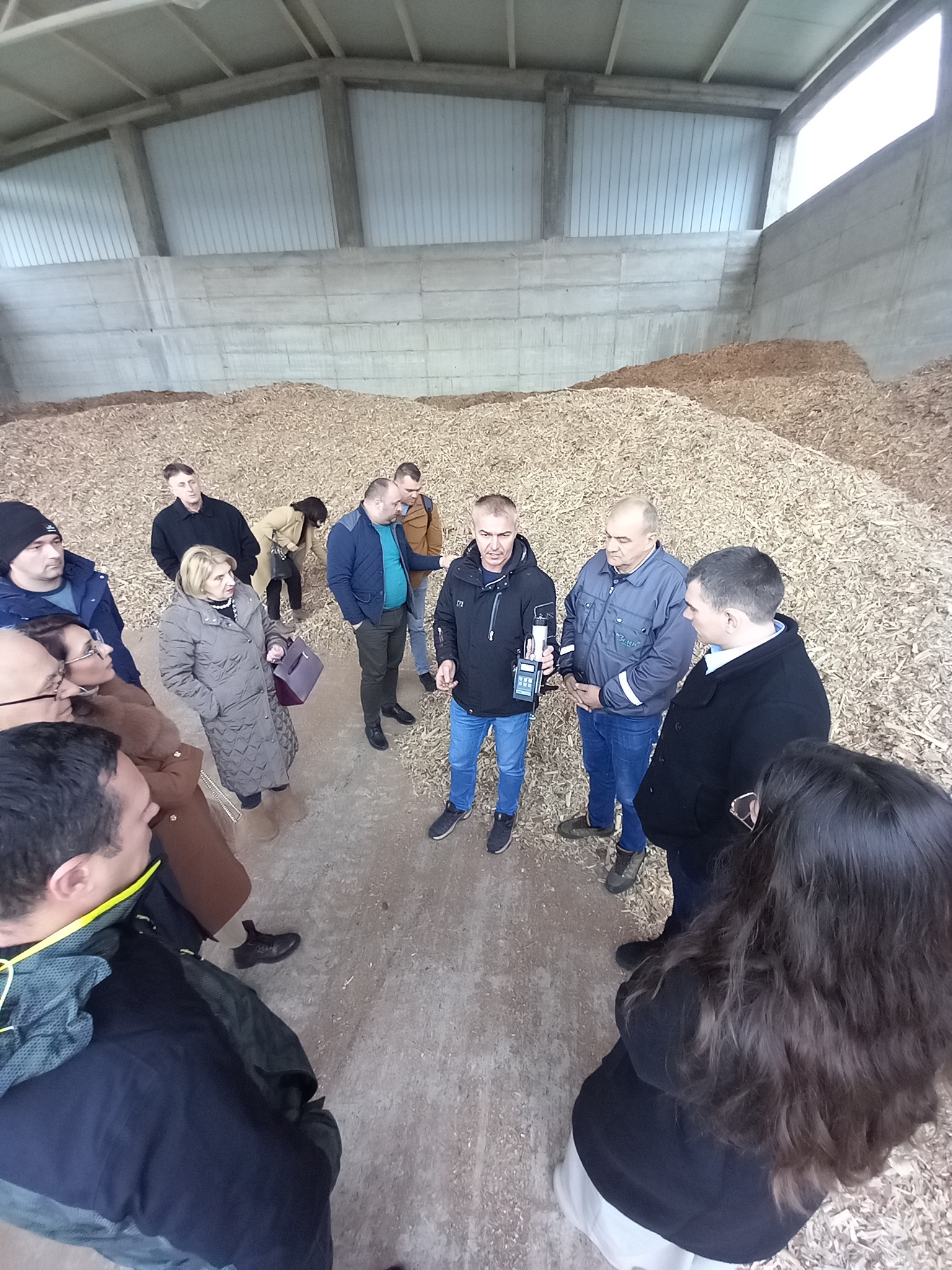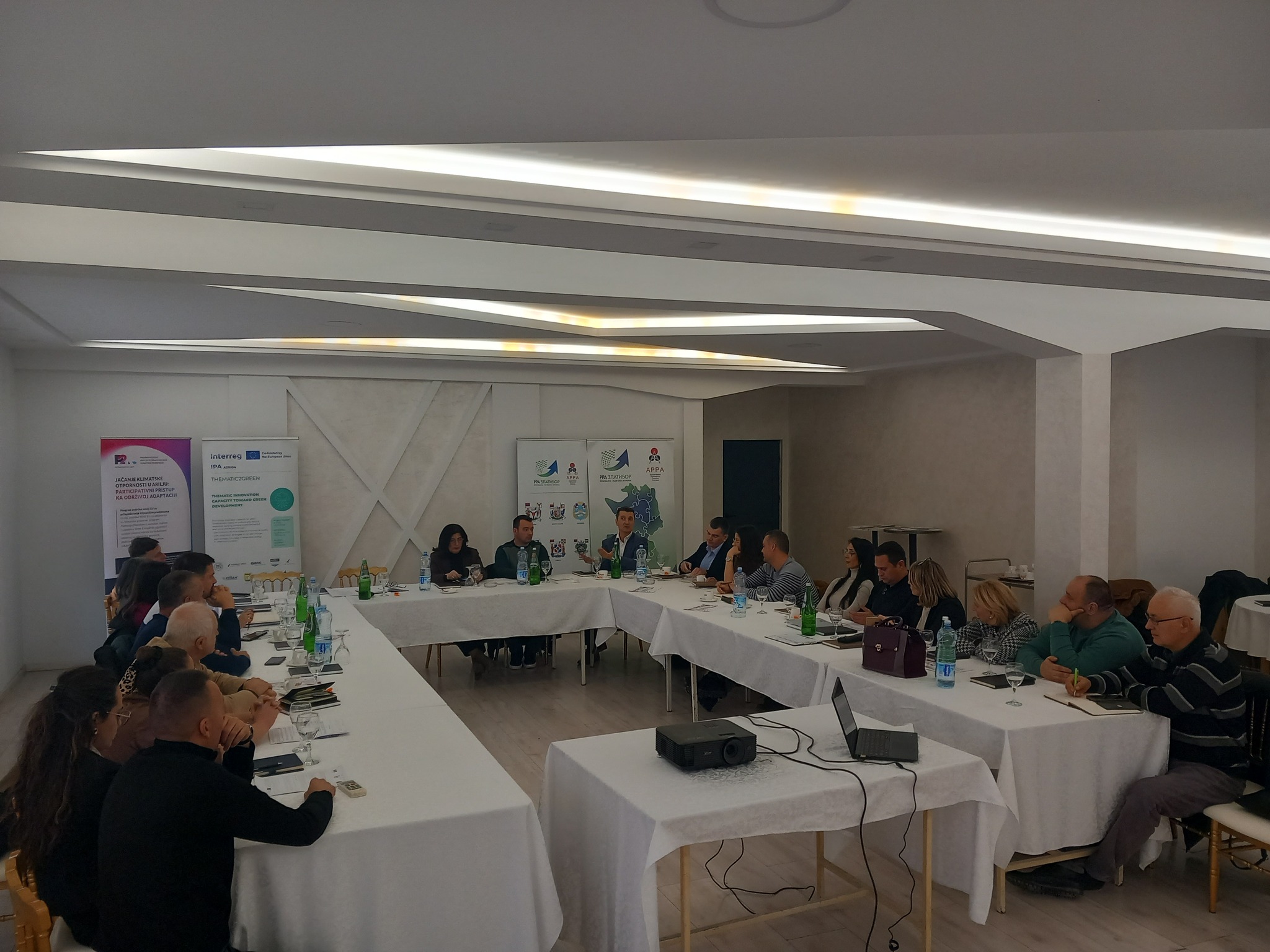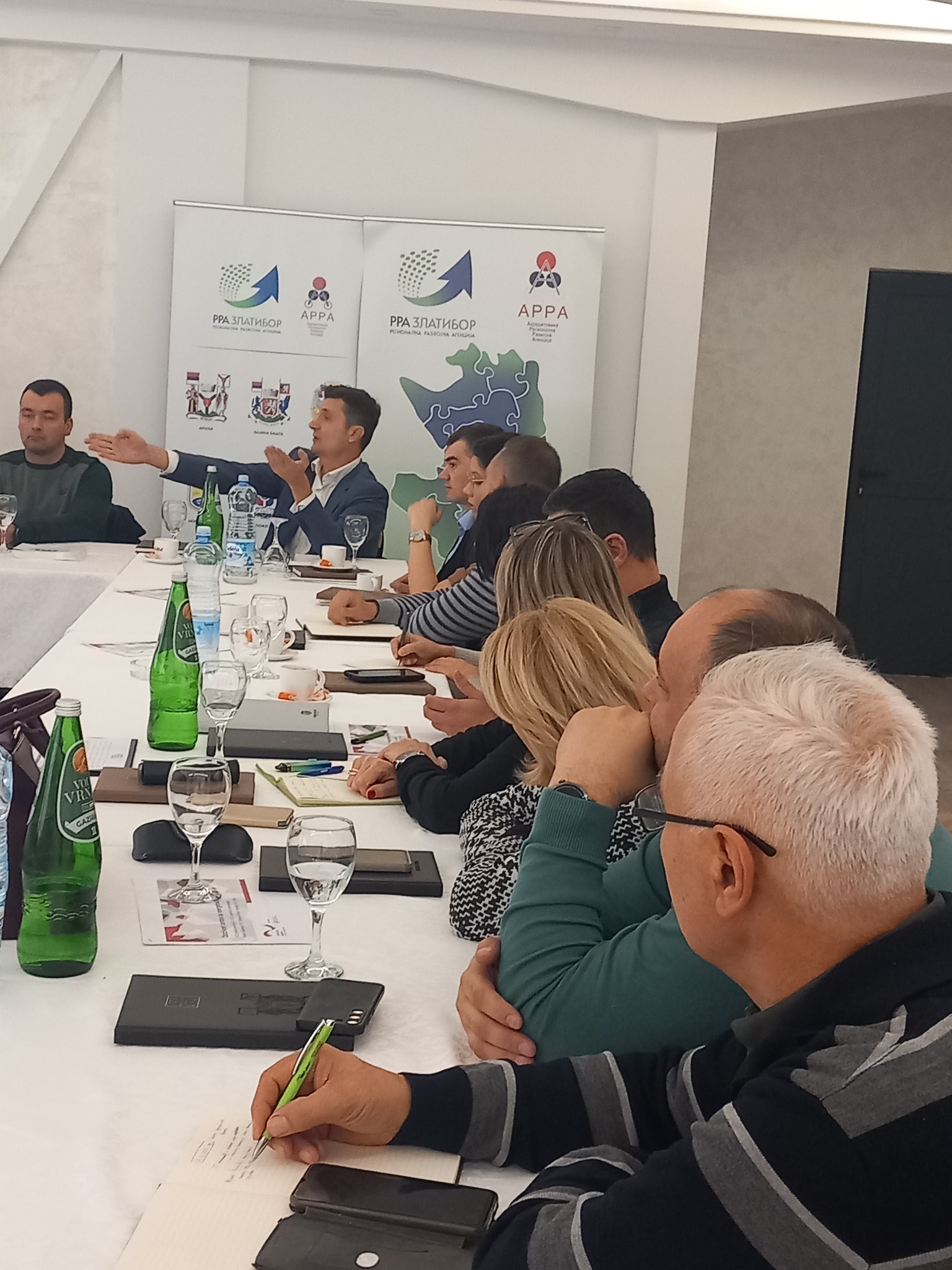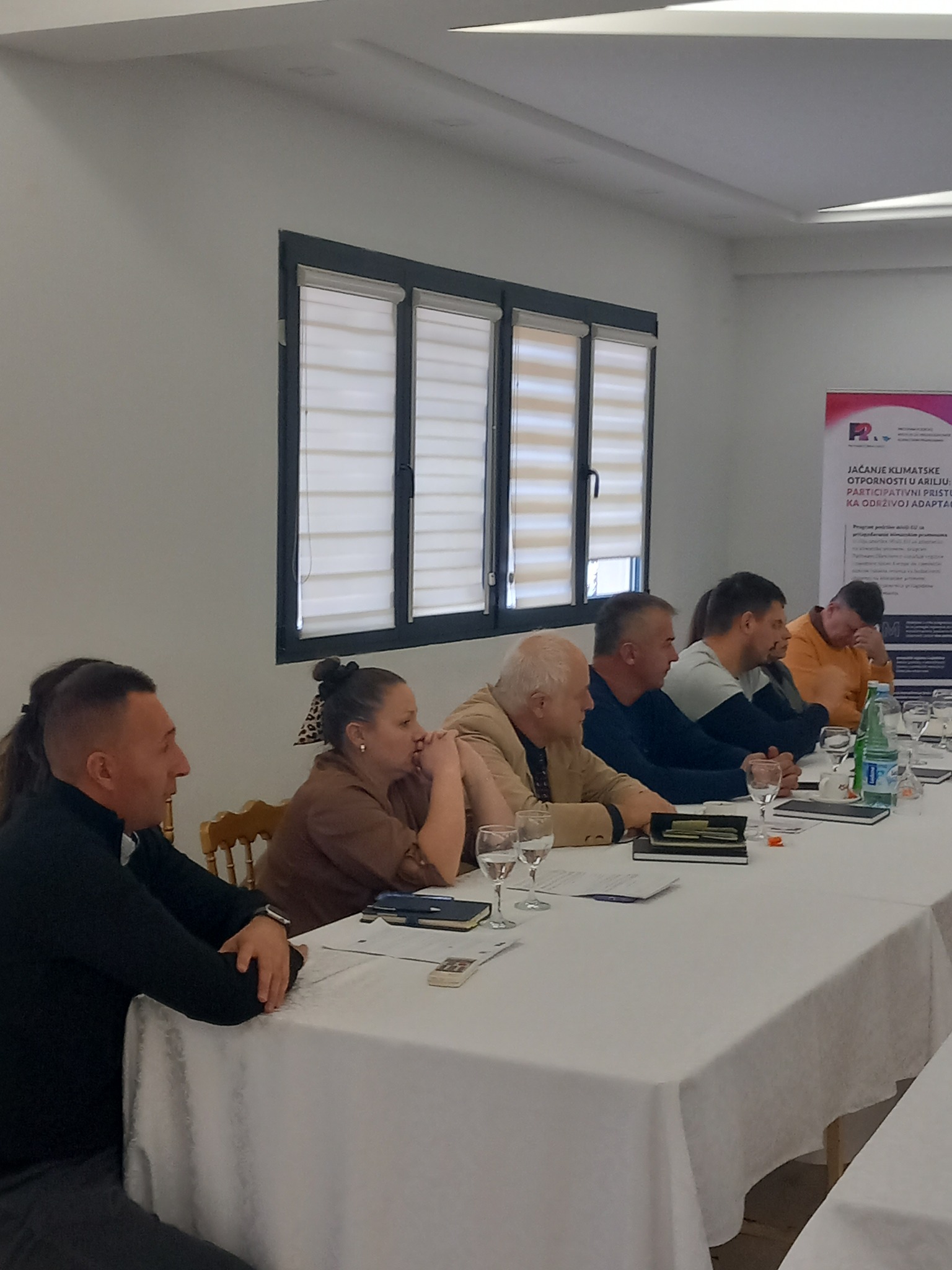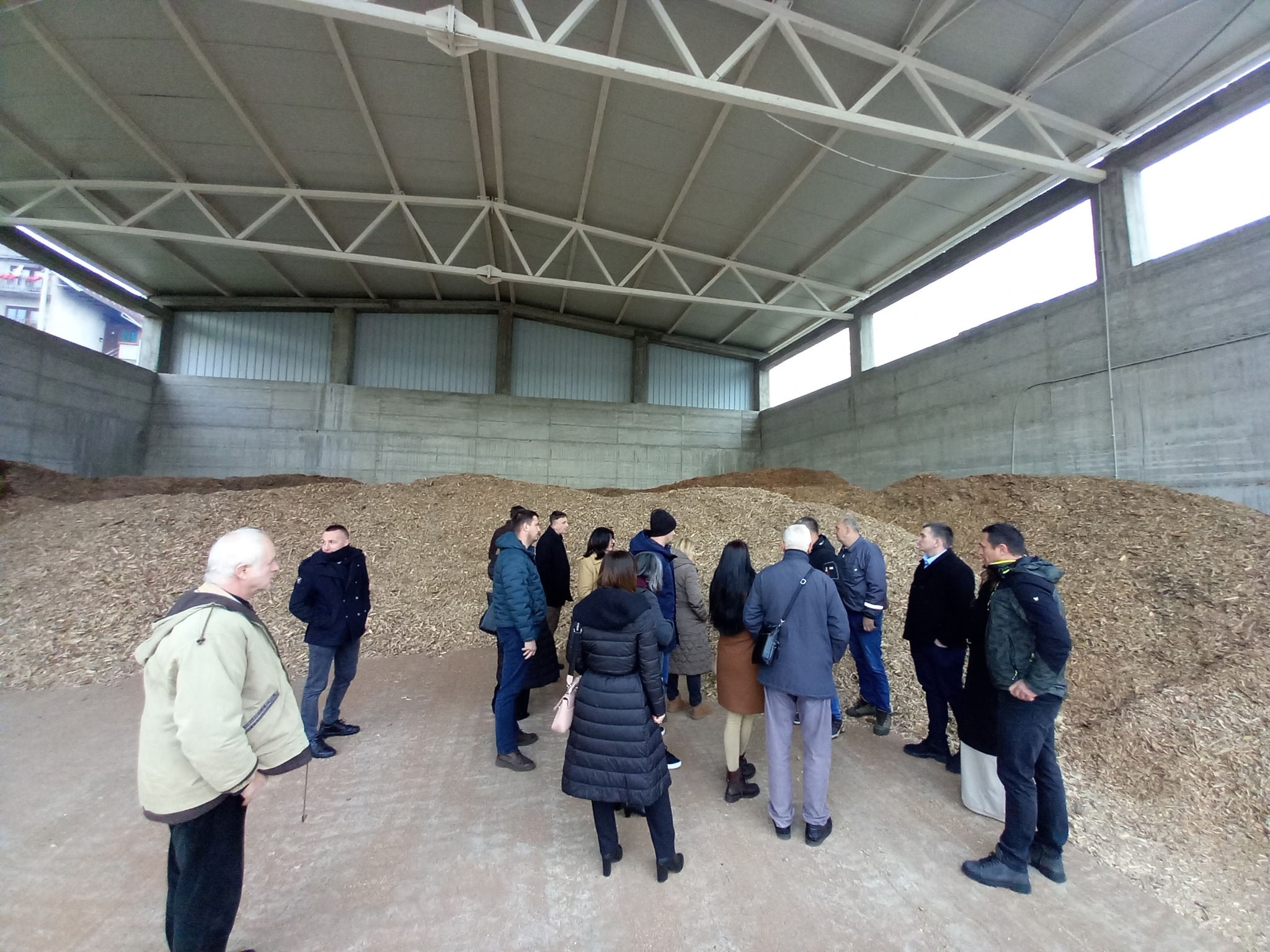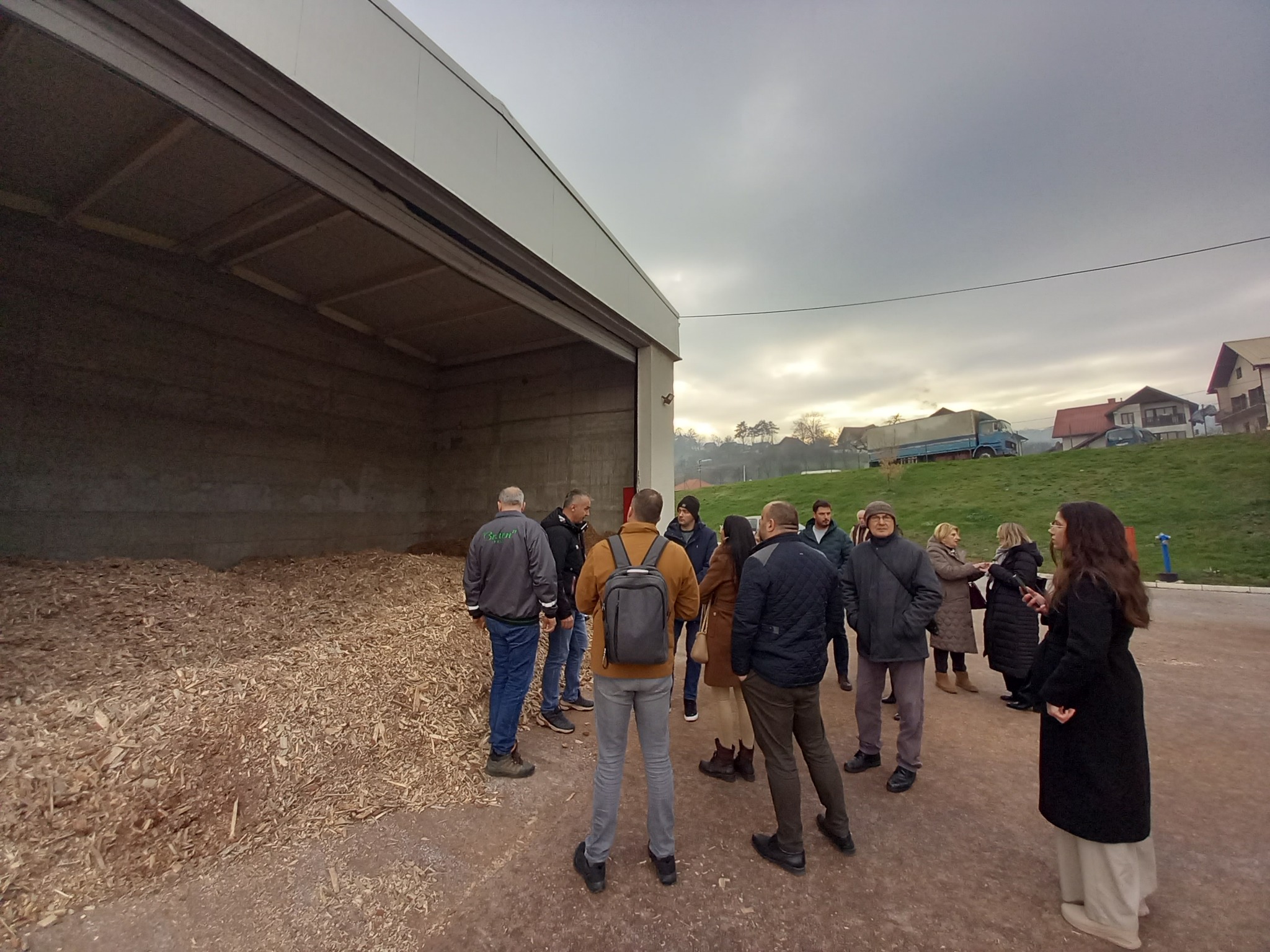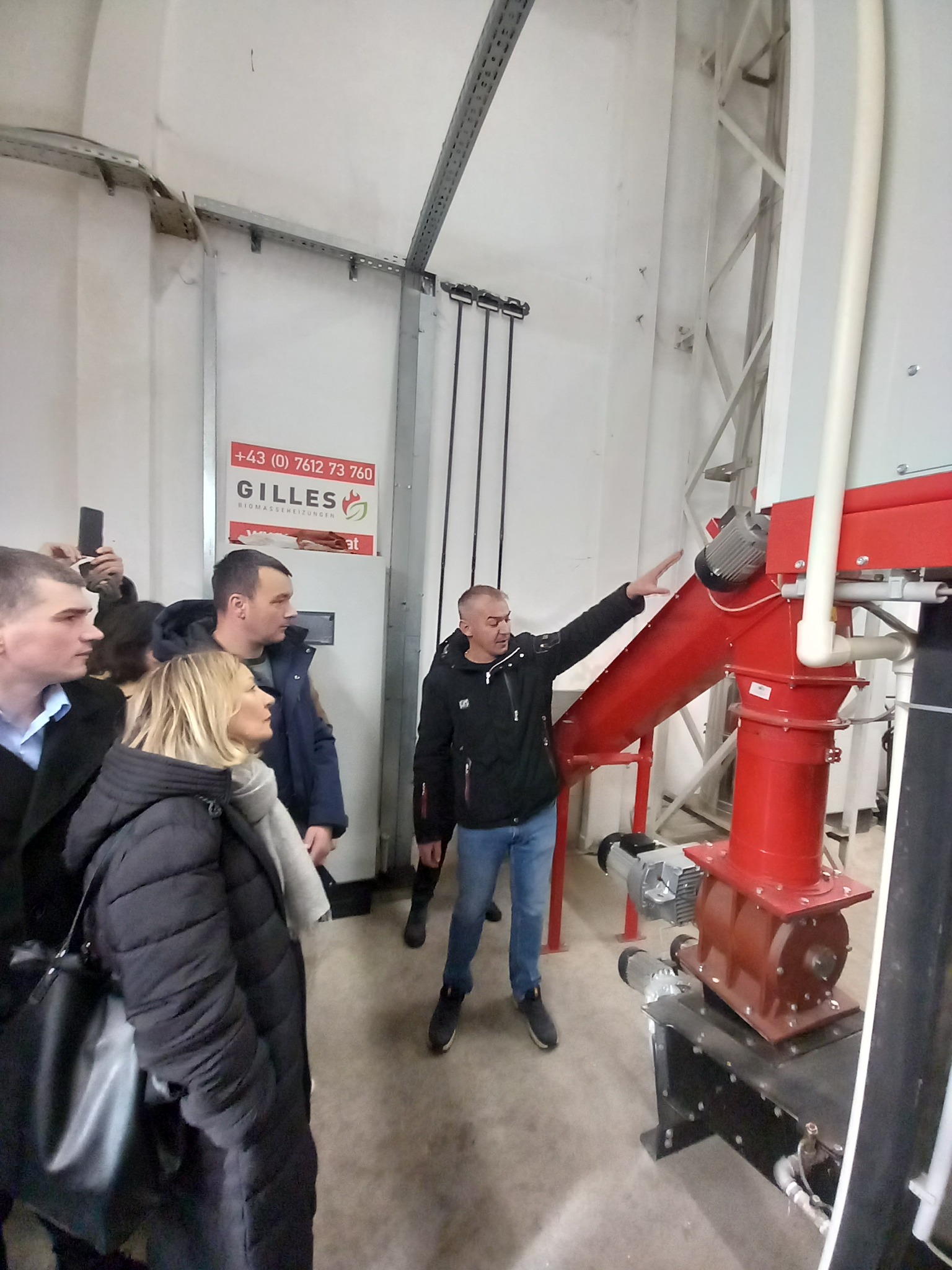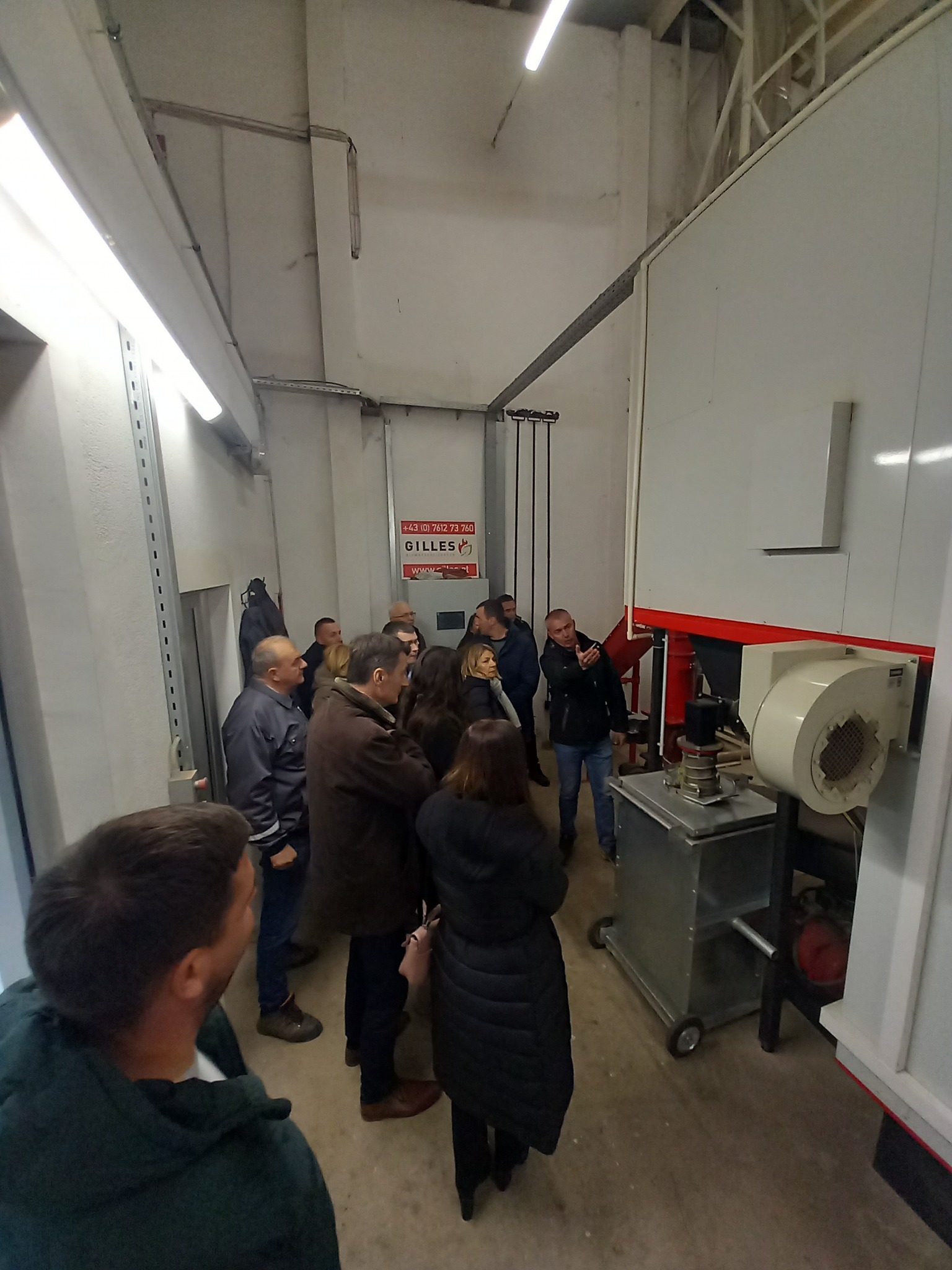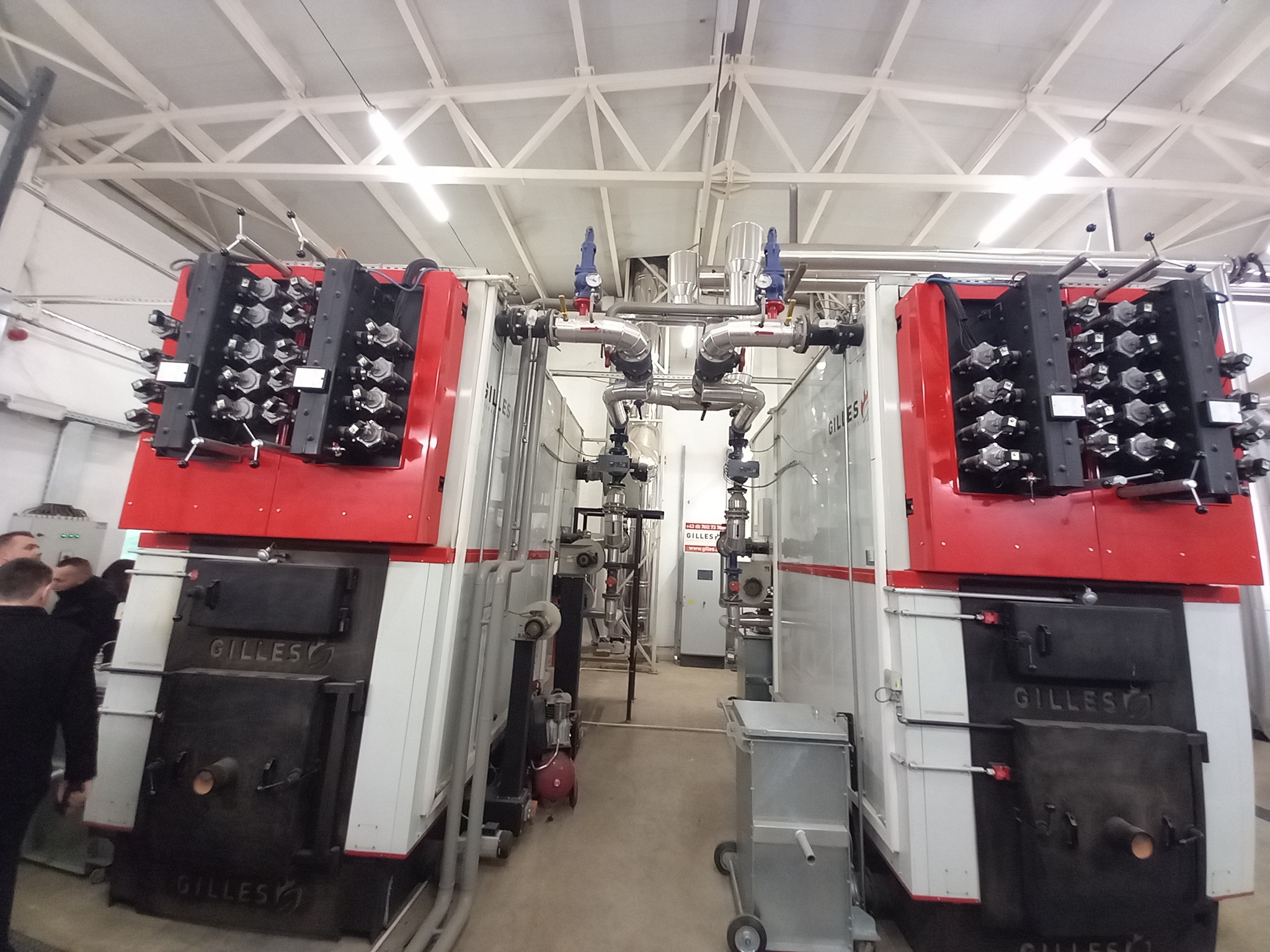
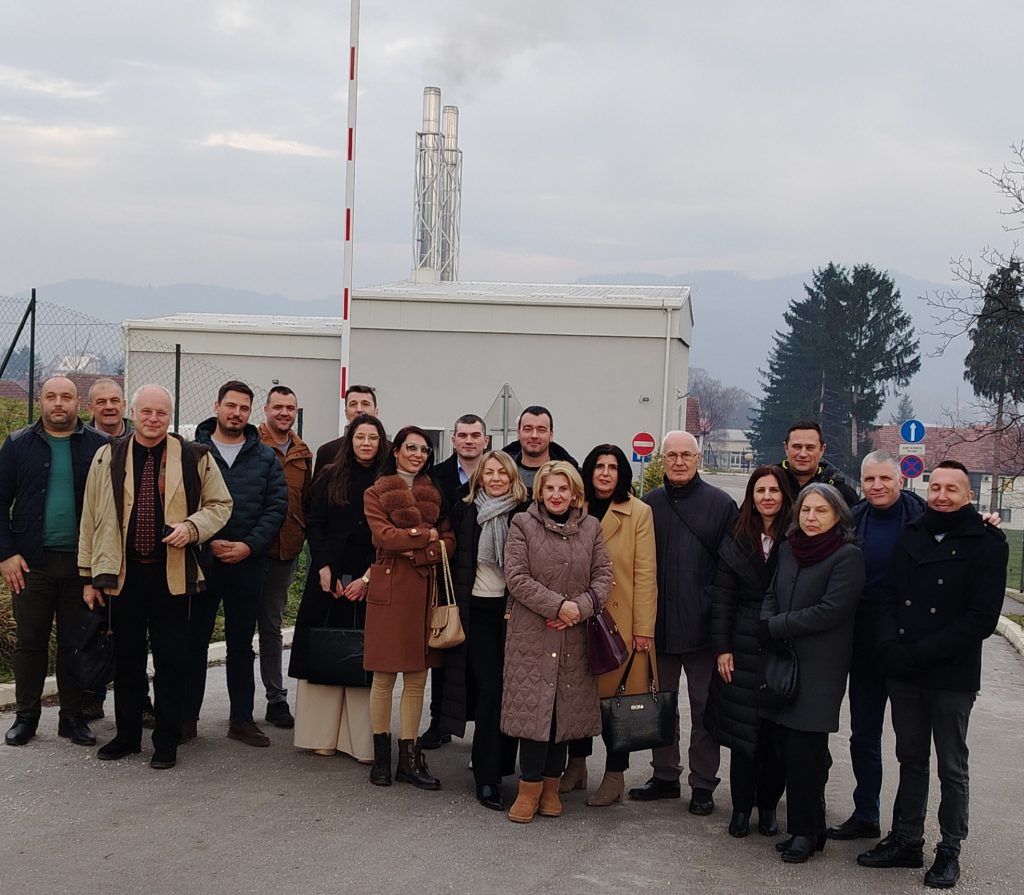
The height of the heating season always raises the same question – who is polluting the air in the cities of Serbia? Do public heating plants or individual fireplaces in households do it more? Members of the Working Group for Renewable Sources and Energy Transition of the Zlatibor Region discussed all of this and more at the XVI regular session held in Arilje in mid-December. It was also an opportunity for the membership to visit the city’s heating plant, which has been heating several public buildings with wood chips for the fifth winter in this small municipality in the west of the country.
Jovana Miletić, Filip Blagojević and Aleksandar Macura attended the event in front of RES Foundation. During the meeting, Filip Blagojević presented the updated results of the energy balances of local governments in the region and inventories of greenhouse gas emissions. He also informed the attendees about the layout of the database that will be made available to them in the process of preparing the Regional Action Plan for Climate and Energy. Aleksandar Macura spoke about energy poverty in the region, the number of energy vulnerable customers and the activities of local governments to improve the energy efficiency of socially vulnerable households, which local governments implement from their own funds and taxpayers’ funds from World Bank loans. He emphasized once again that it is necessary to find an appropriate way to convey information about the support that is available to the socially vulnerable.
The session was realized within the project THEMATIC2GREEN, which is financed under the Interreg IPA ADRION program, and which pays special attention to energy-sustainable solutions in local communities.
The topic of using biomass for energy purposes is too important to be referred to carelessly. We recommend to your attention the analyzes that we have prepared or participated in, which approach this issue with due care:
- Policy Platform for sustainable use of forest biomass for energy in Serbia and Bosnia and Herzegovina
- District heating systems in Serbia – Green investment options
- Operations of large solid biomass fired power plants – a sneak public peek
Photos: Regional Development Agency Zlatibor