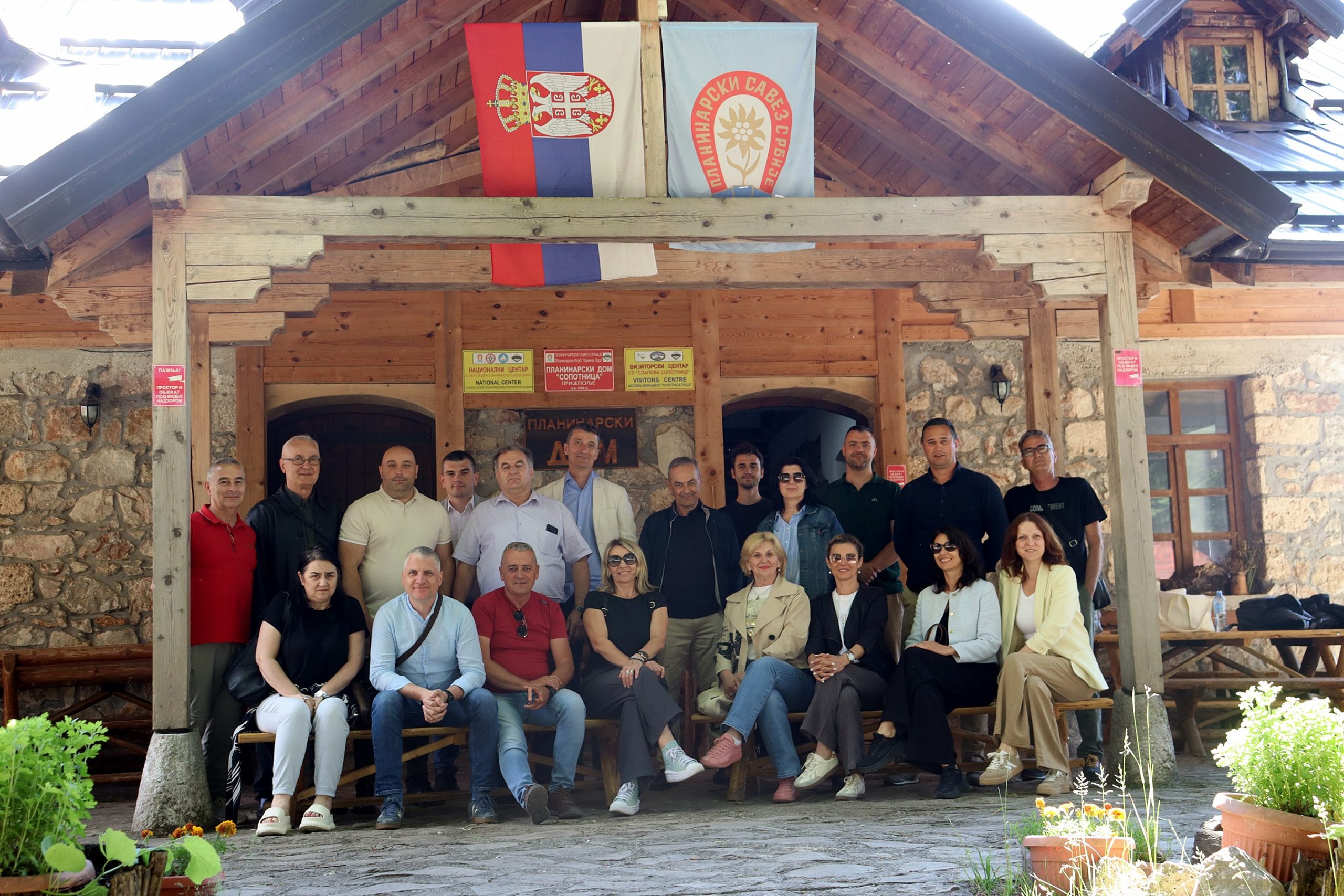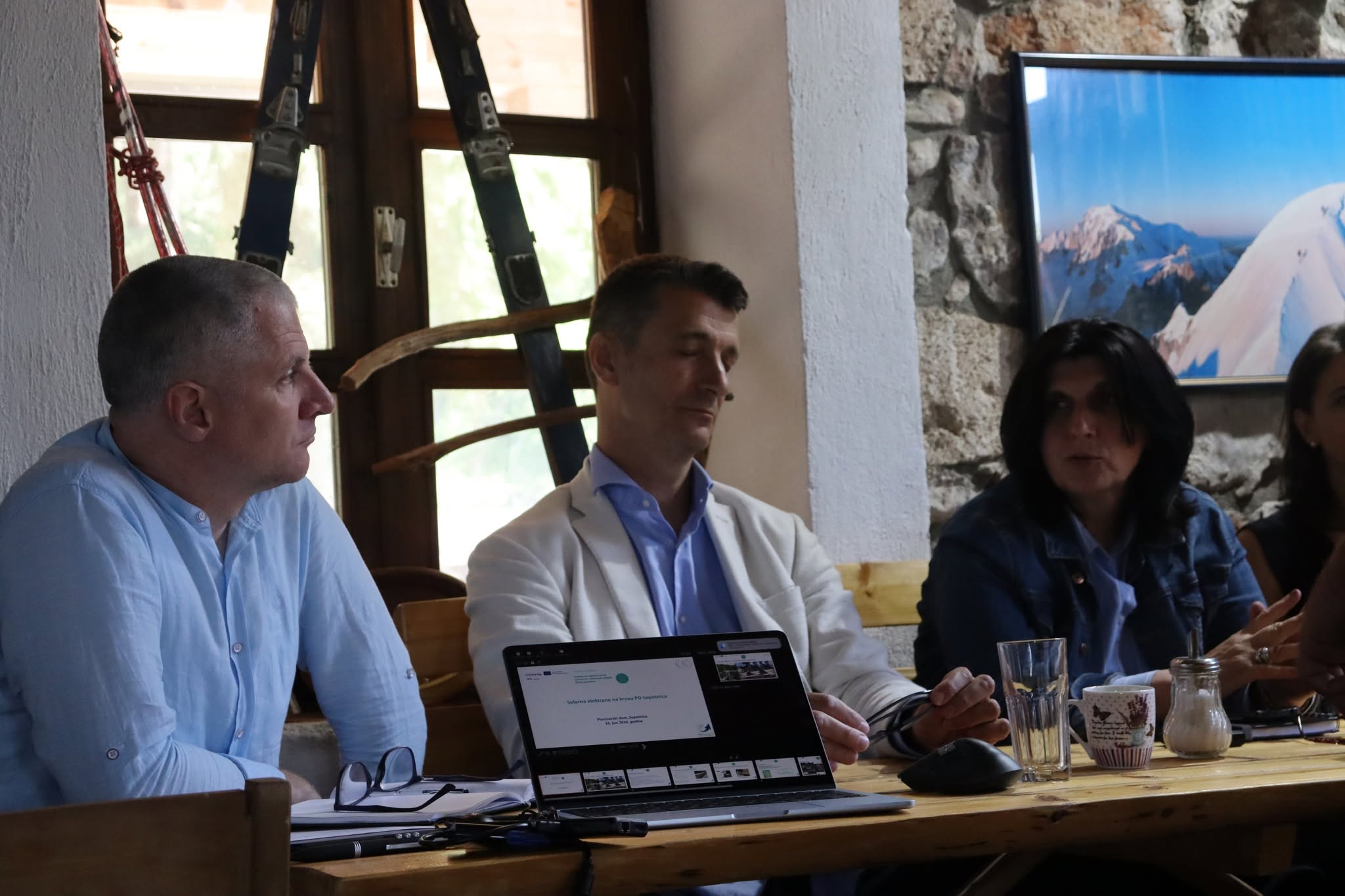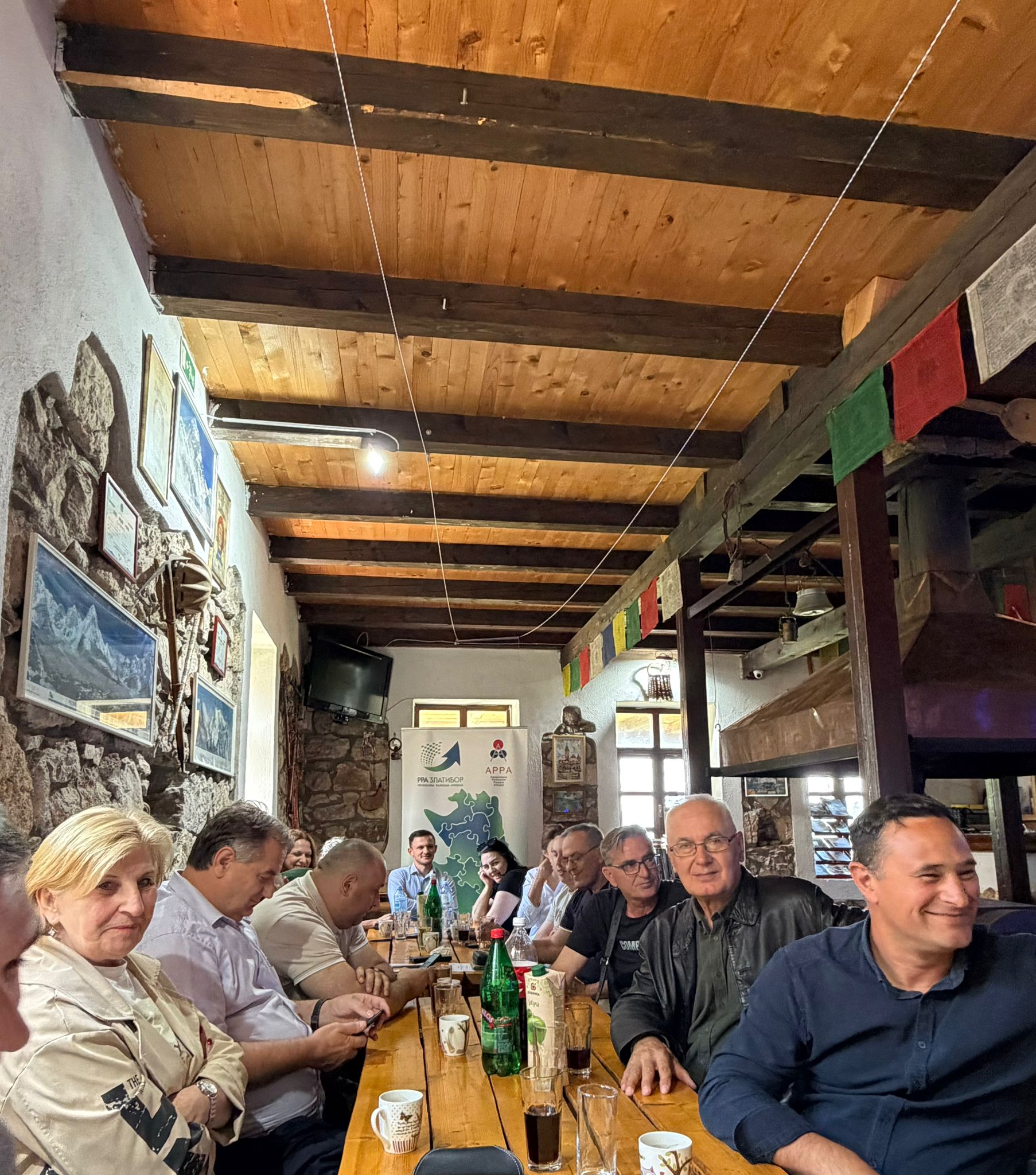
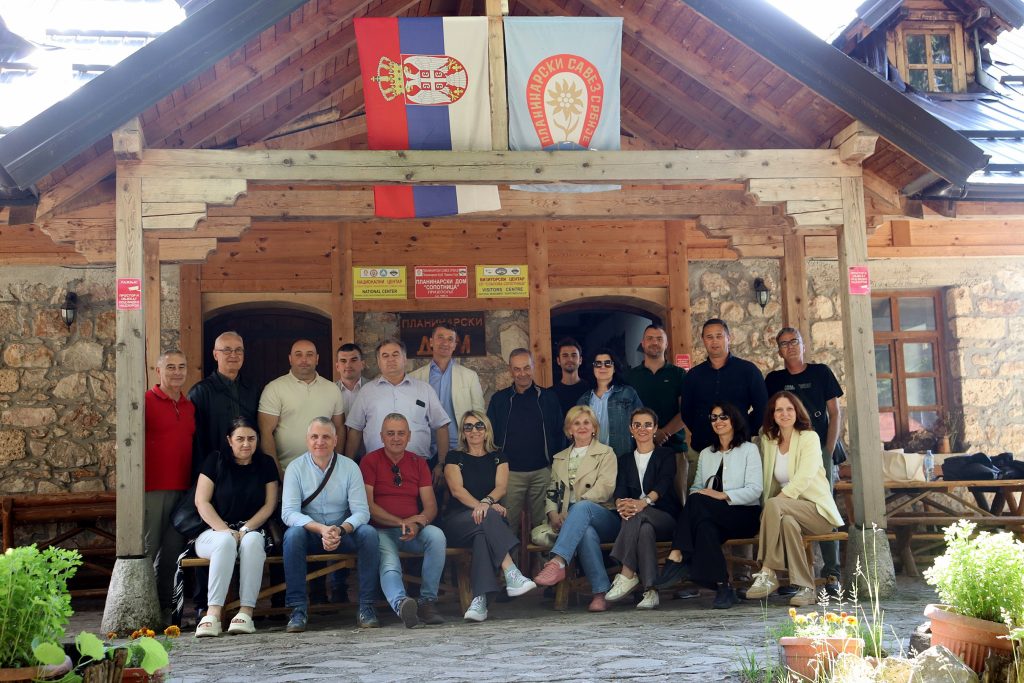
On June 16, the XVII regular session of the Working Group for Renewable Sources and Energy Transition of the Zlatibor Region was held in the Sopotnica Mountain Lodge near Prijepolje, in cooperation with the Zlatibor Regional Development Agency. One of the central topics of the meeting was the revision of the regional Action Plan for Sustainable Energy and Climate – SECAP for the Zlatibor Region, the development of which is managed by the RES Foundation.
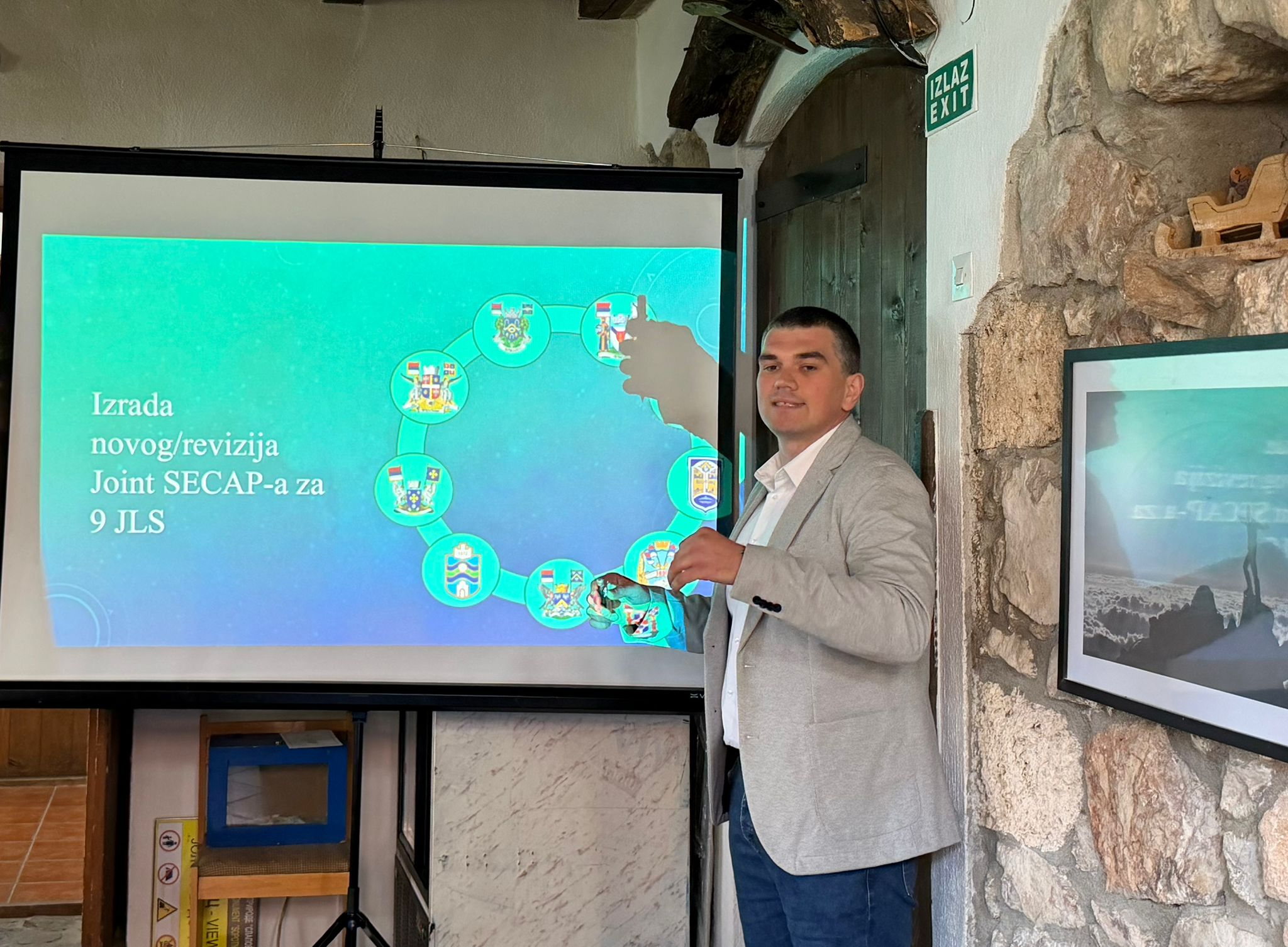
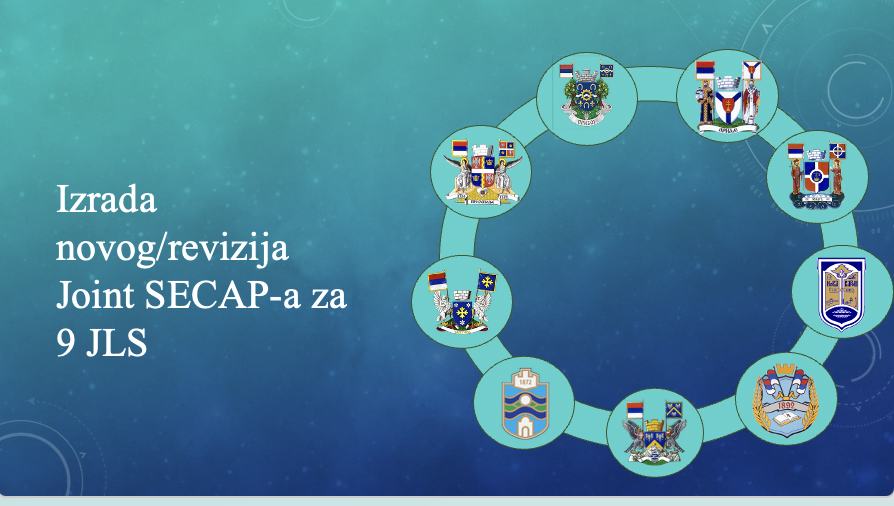
In front of the RES Foundation, the current course of drafting the revised SECAP, the key findings of the situation analysis and the next steps in the process of defining a common vision and measures until 2030 were presented. Regional SECAP includes nine local governments of the Zlatibor region: Užice, Prijepolje, Priboj, Požega, Nova Varoš, Kosjerić, Čajetina, Bajina Bašta and Arilje.
SECAP deals with three interconnected areas of importance for local governments: reducing energy consumption and greenhouse gas emissions, adapting to climate change and reducing energy poverty. During the presentation, findings were presented indicating that the Zlatibor region annually emits about 488,582 tons of CO₂, while households have a particularly significant share in the total energy consumption and emissions.
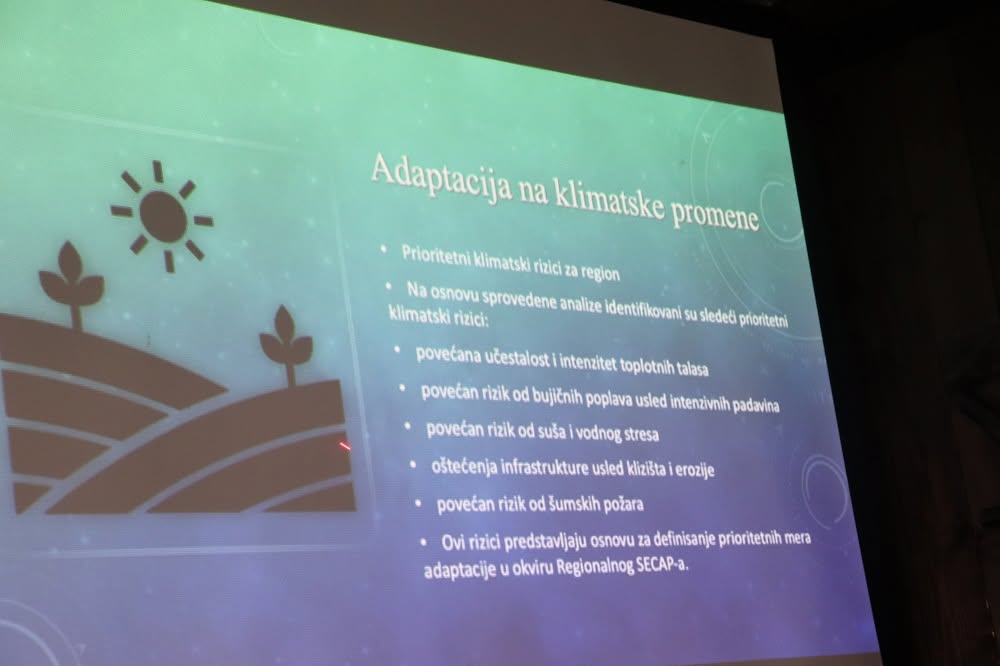
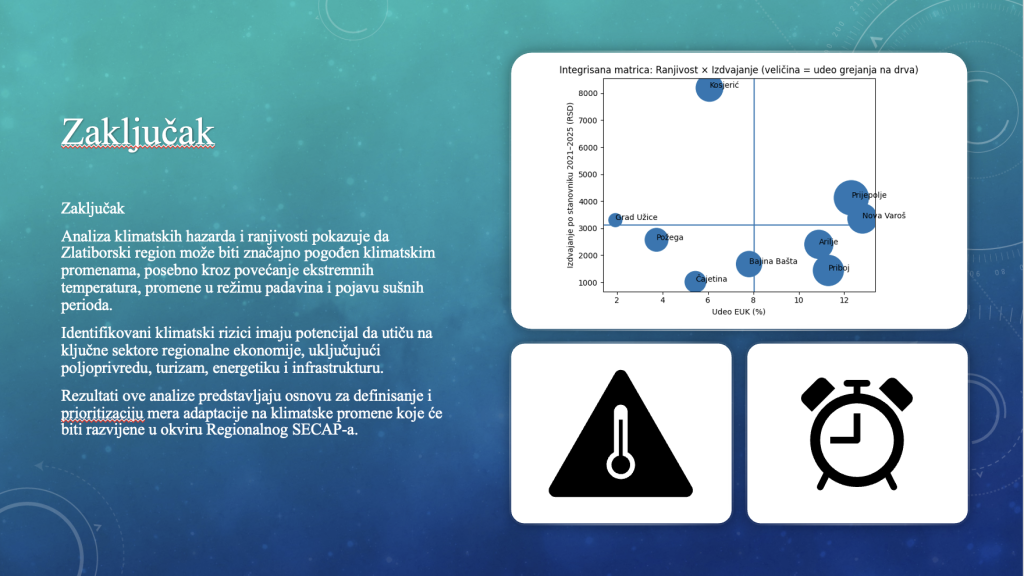
The analysis also showed that the region is characterized by important structural challenges: an older housing stock, significant reliance of households on individual fireplaces and solid fuels, obvious rural population dispersion and increased vulnerability to climate risks. Heat waves, flash floods, droughts and water stress, landslides and erosion, as well as an increased risk of forest fires, are recognized as priority climate risks for the region.
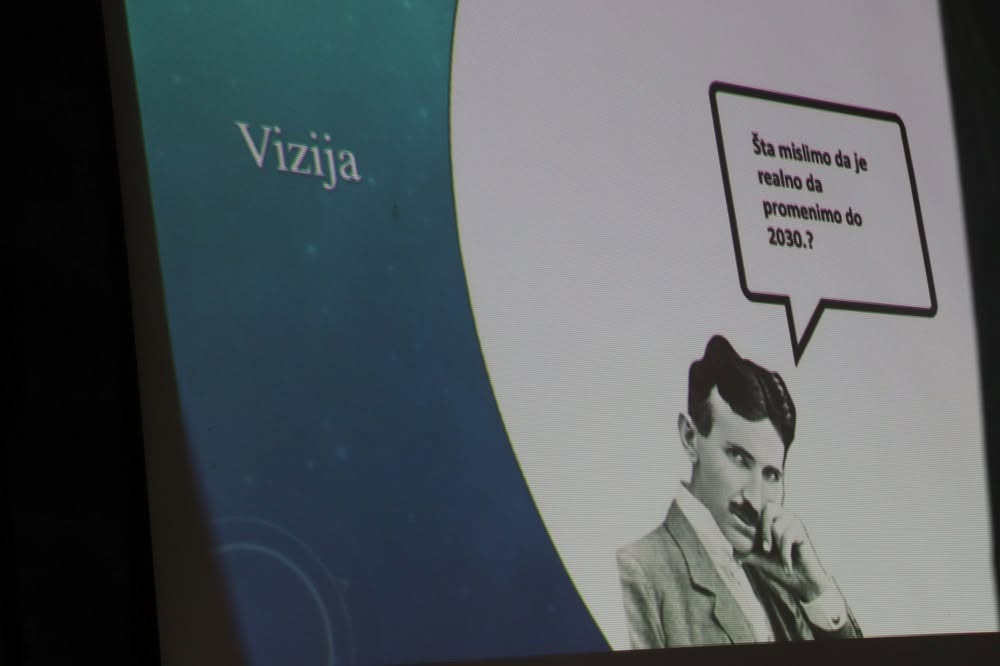
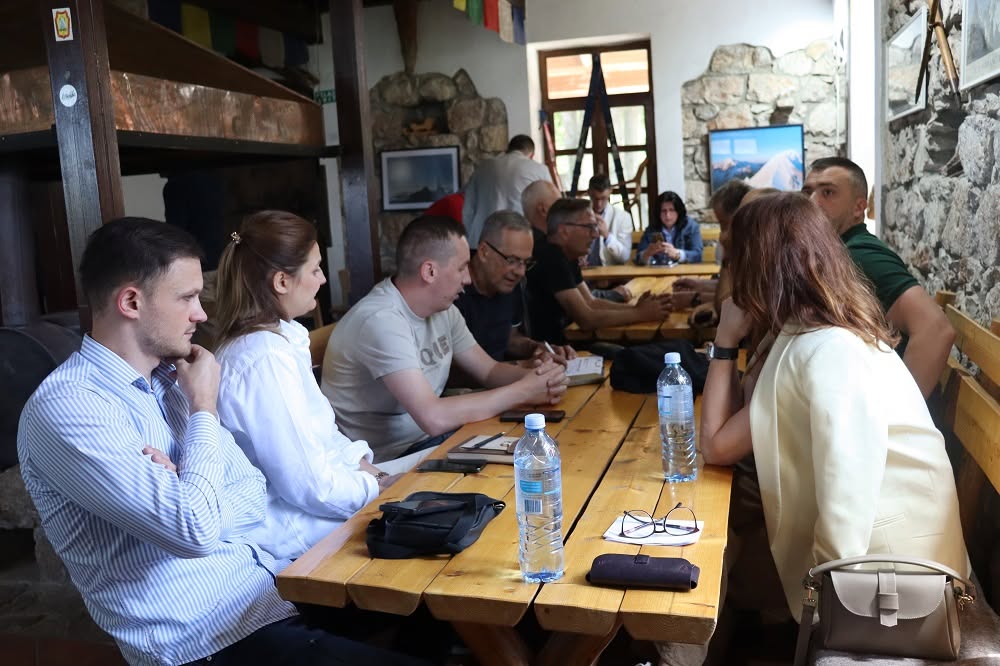
Through presentations and group work, the participants of the session discussed what local governments can realistically change by 2030, how to define a common vision of the regional SECAP and how to choose measures that will contribute to reducing emissions, increasing resistance to climate change and better directing support to households at risk of energy poverty.
A special part of the work was dedicated to the use of calculators for estimating savings, planning and monitoring the implementation of measures, as well as agreeing on the next steps. In the next phase of the process, the selection of individual and joint measures, the calculation of expected savings, the preparation of a SWOT analysis and the finalization of the document, followed by the start of its implementation, are to come.
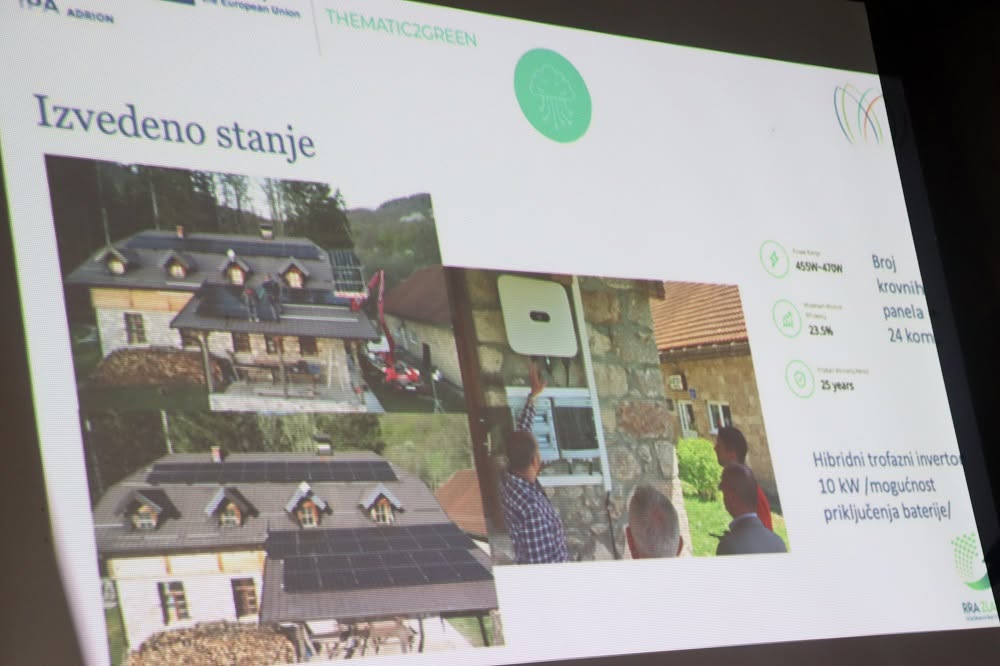
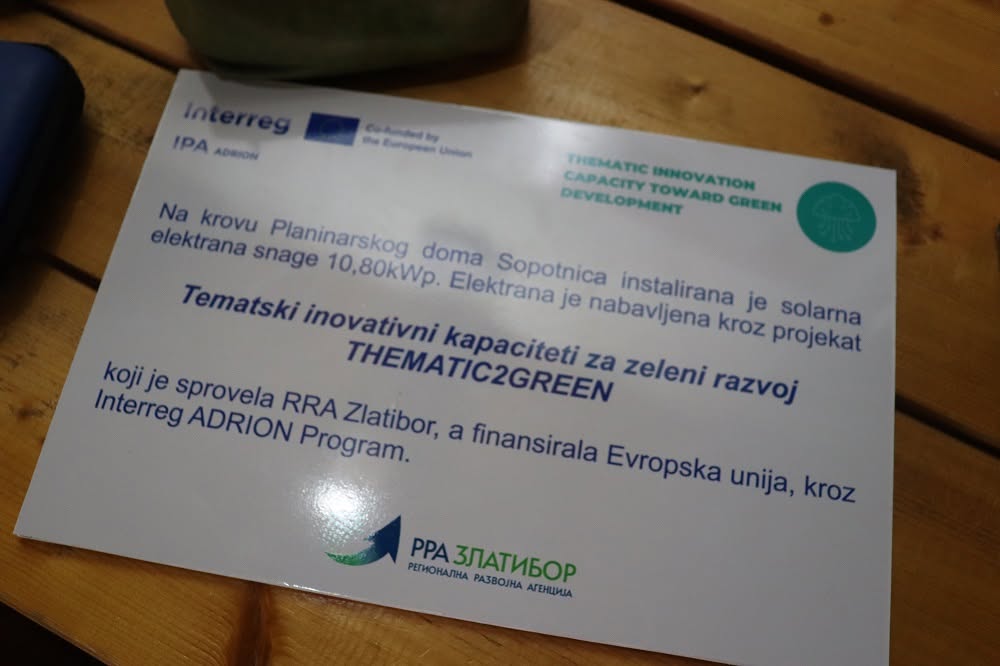
The holding of the meeting in Sopotnica also had a symbolic significance, bearing in mind that the Sopotnica Mountaineering Lodge, which is located in a rural area and serves the purpose of tourism and training of mountain guides, is to install a solar power plant as part of the Thematic2Green project.
The revision process of the regional SECAP continues in cooperation of RES Foundation, the Zlatibor Regional Development Agency and members of the Working Group, with the aim of providing the local governments of the Zlatibor region with a practical, measurable and applicable framework for energy and climate transition.
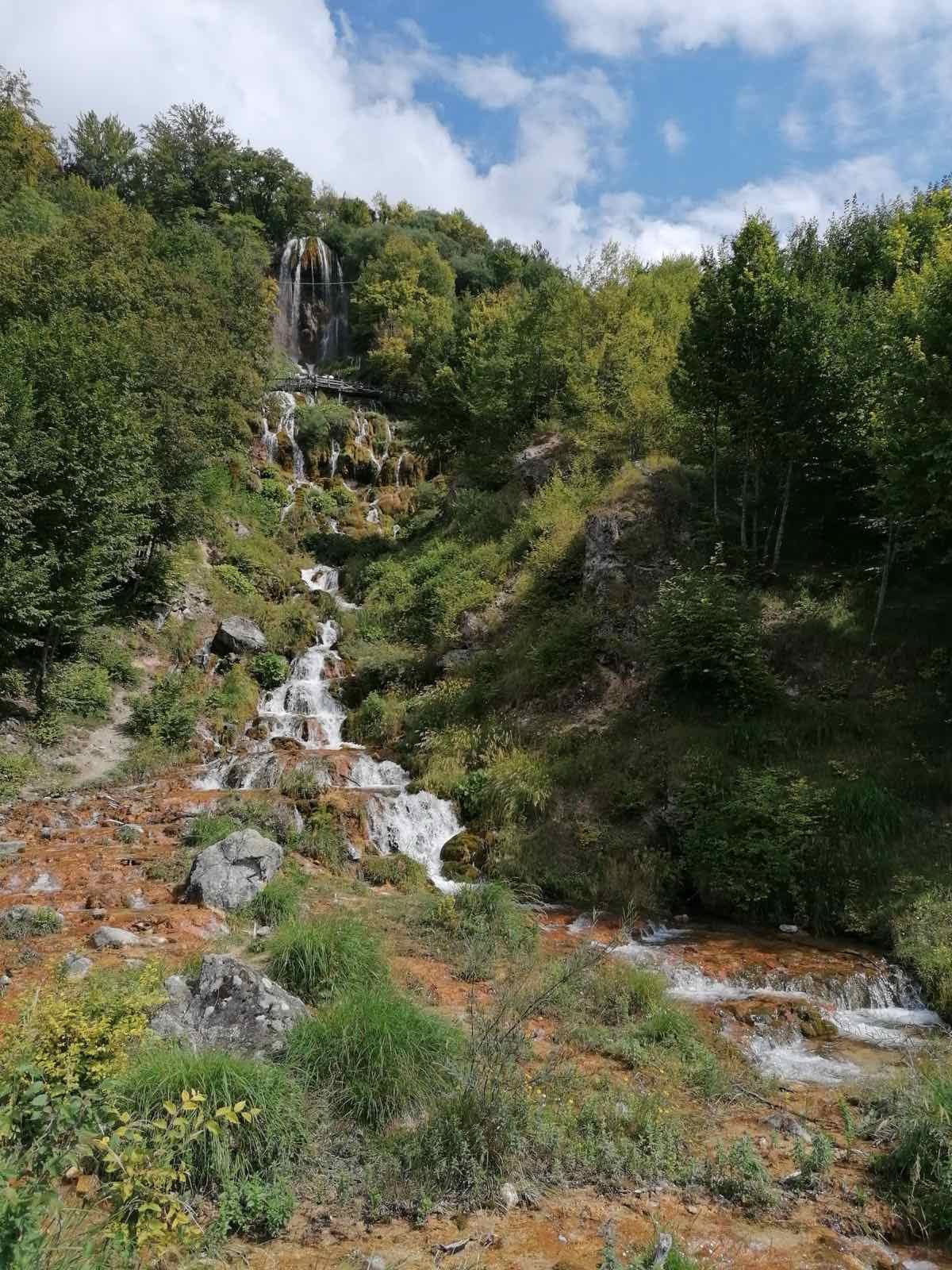
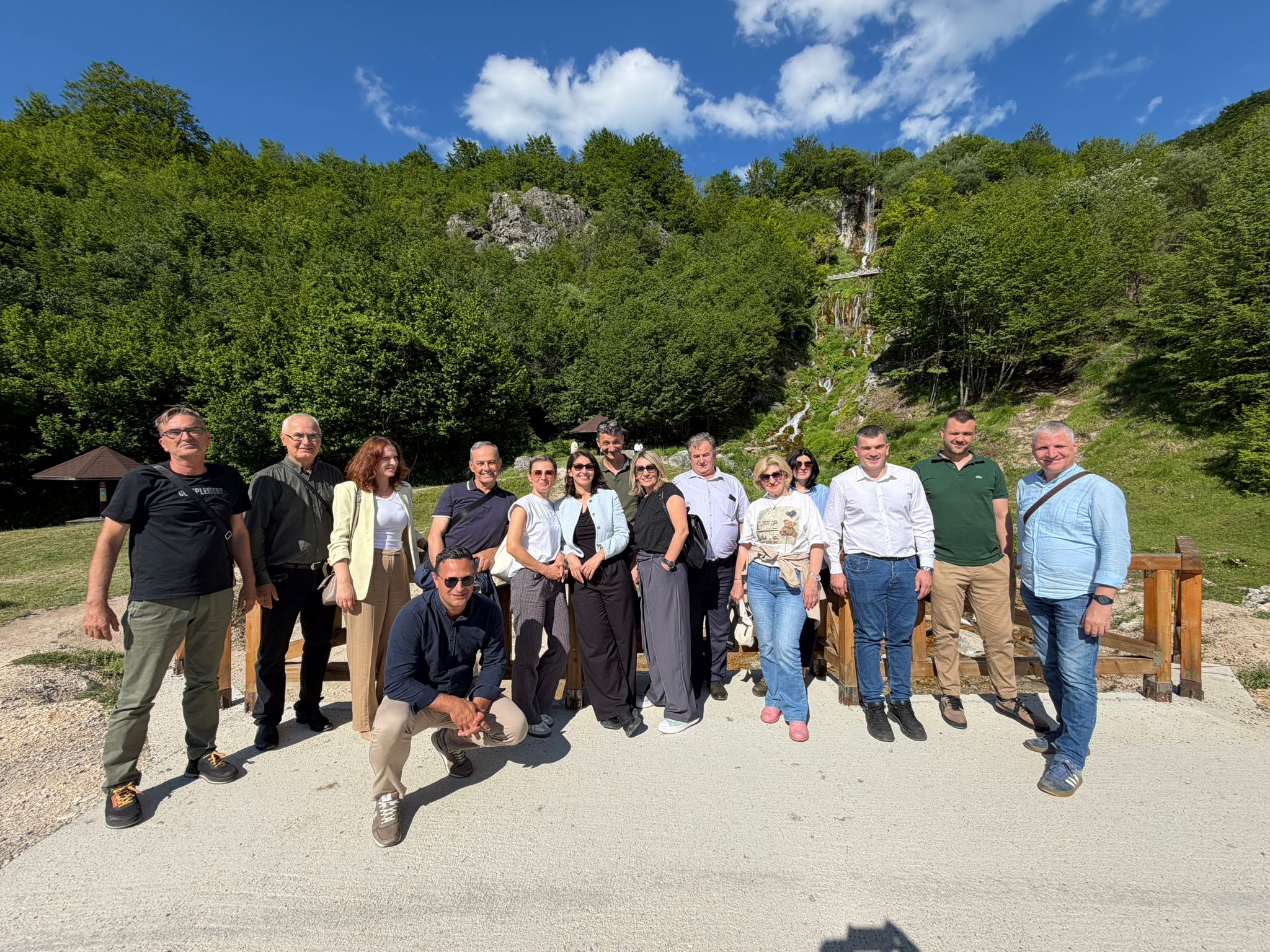
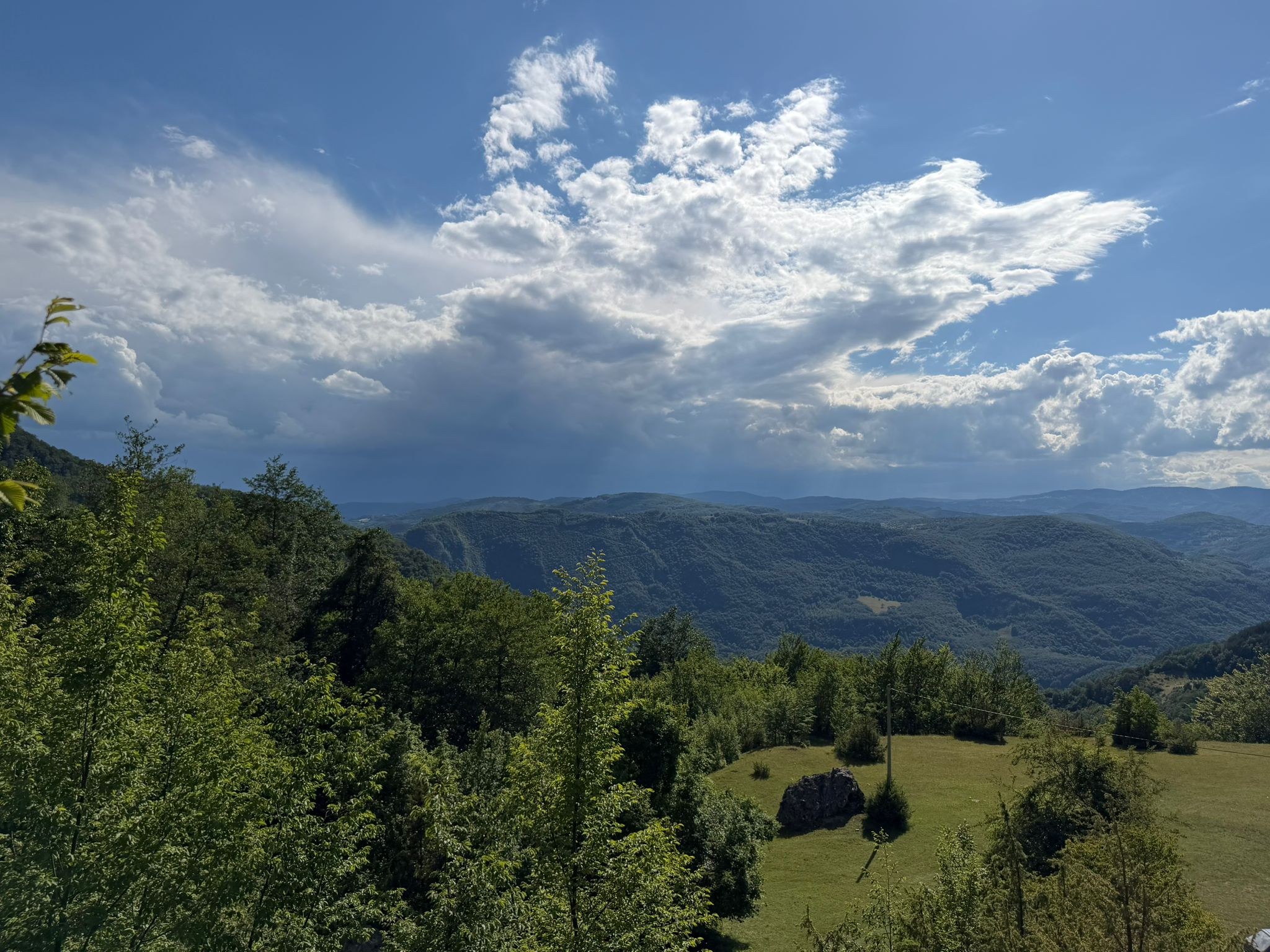
After the work, the participants visited the Sopotnica Waterfalls, a natural monument of the II degree of protection and another reminder of how important preserved nature and sustainable energy are for the future of our region.
The working group continues its work, and proposals for the admission of new members will be considered at the next session. RDA Zlatibor continues with activities aimed at greater use of renewable energy sources and sustainable energy transition of the Zlatibor area.
Presentation Joint SECAP in Zlatibor region
Check the photo gallery (credits RDA Zlatibor and Jasminka Young)