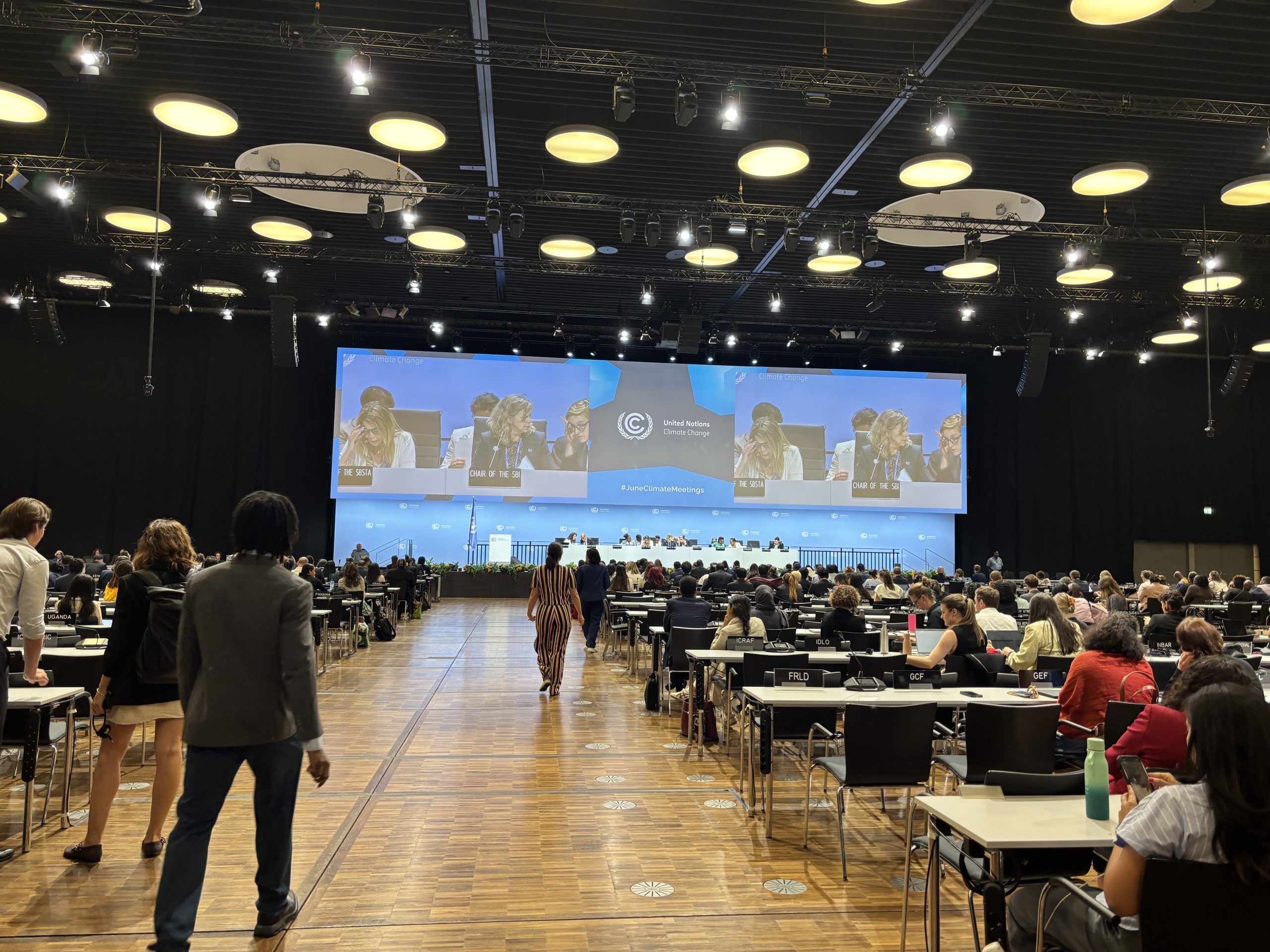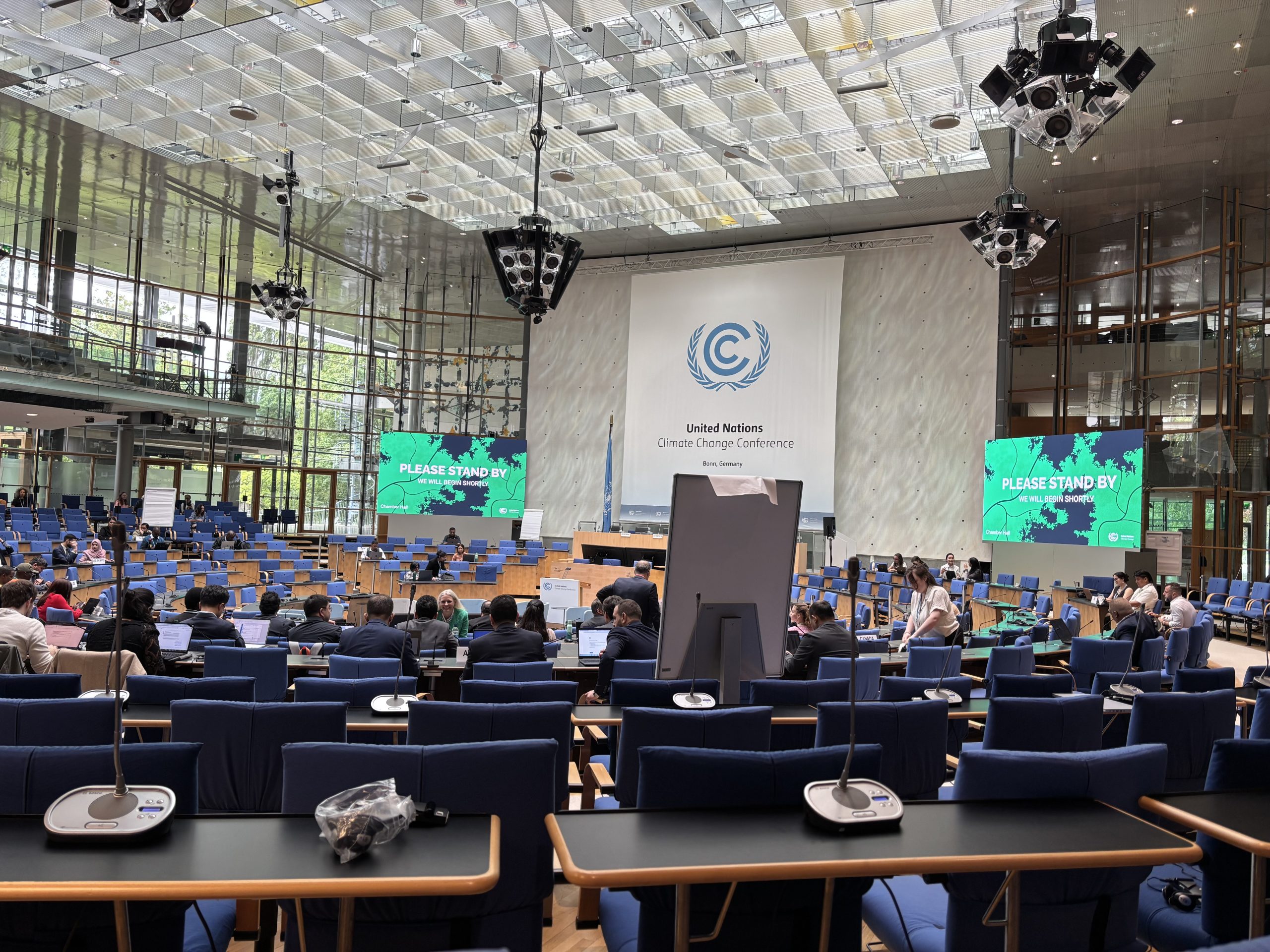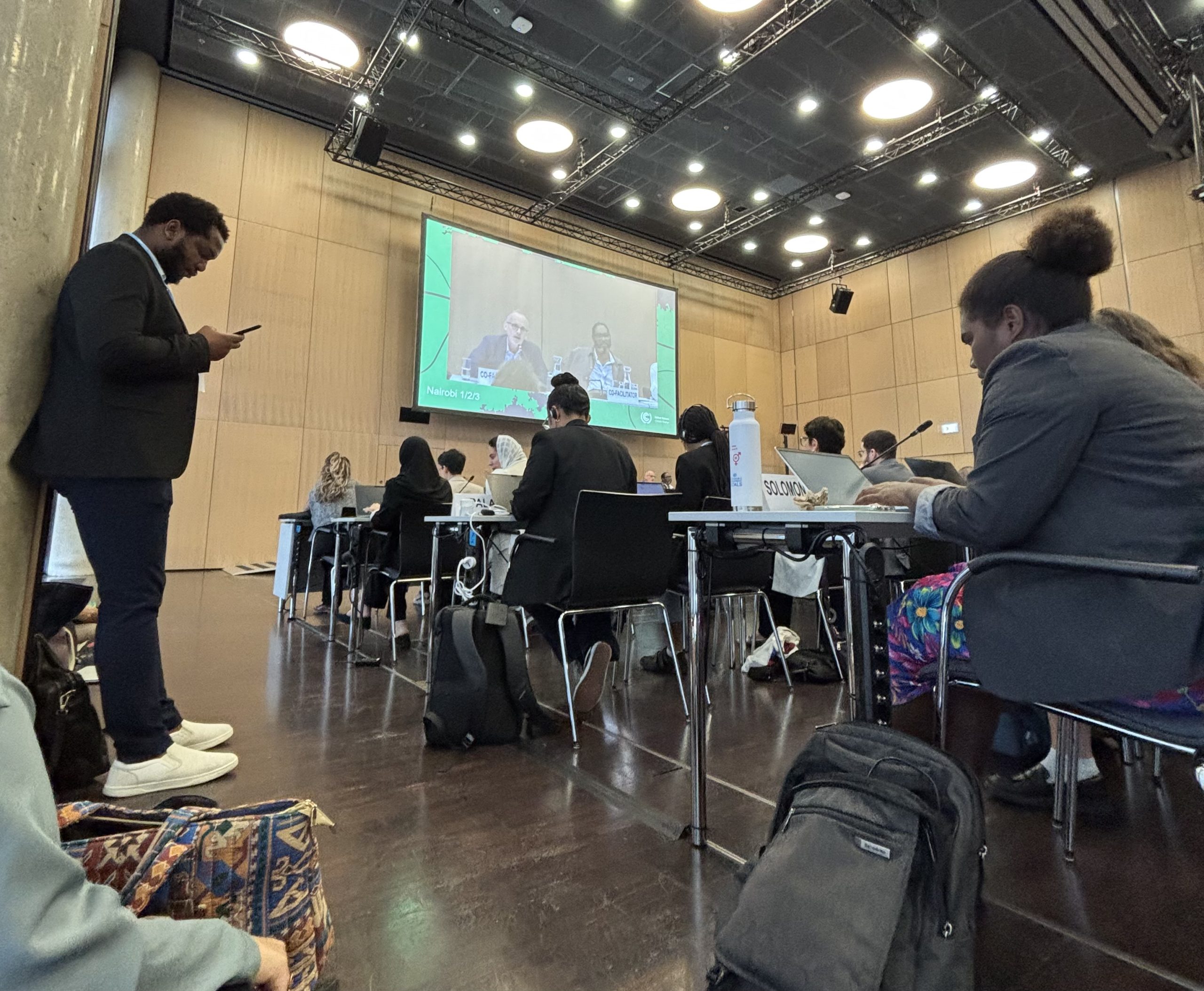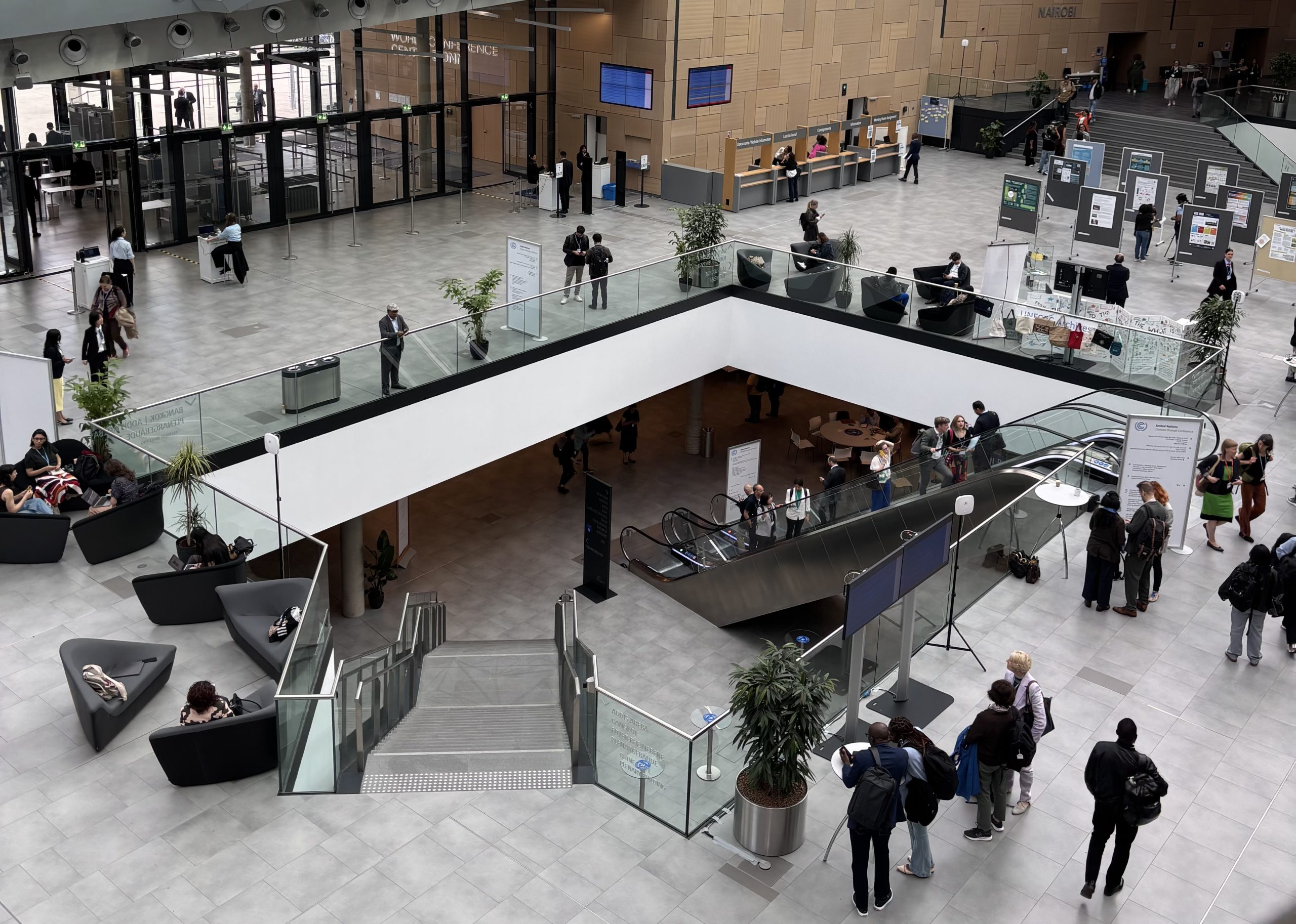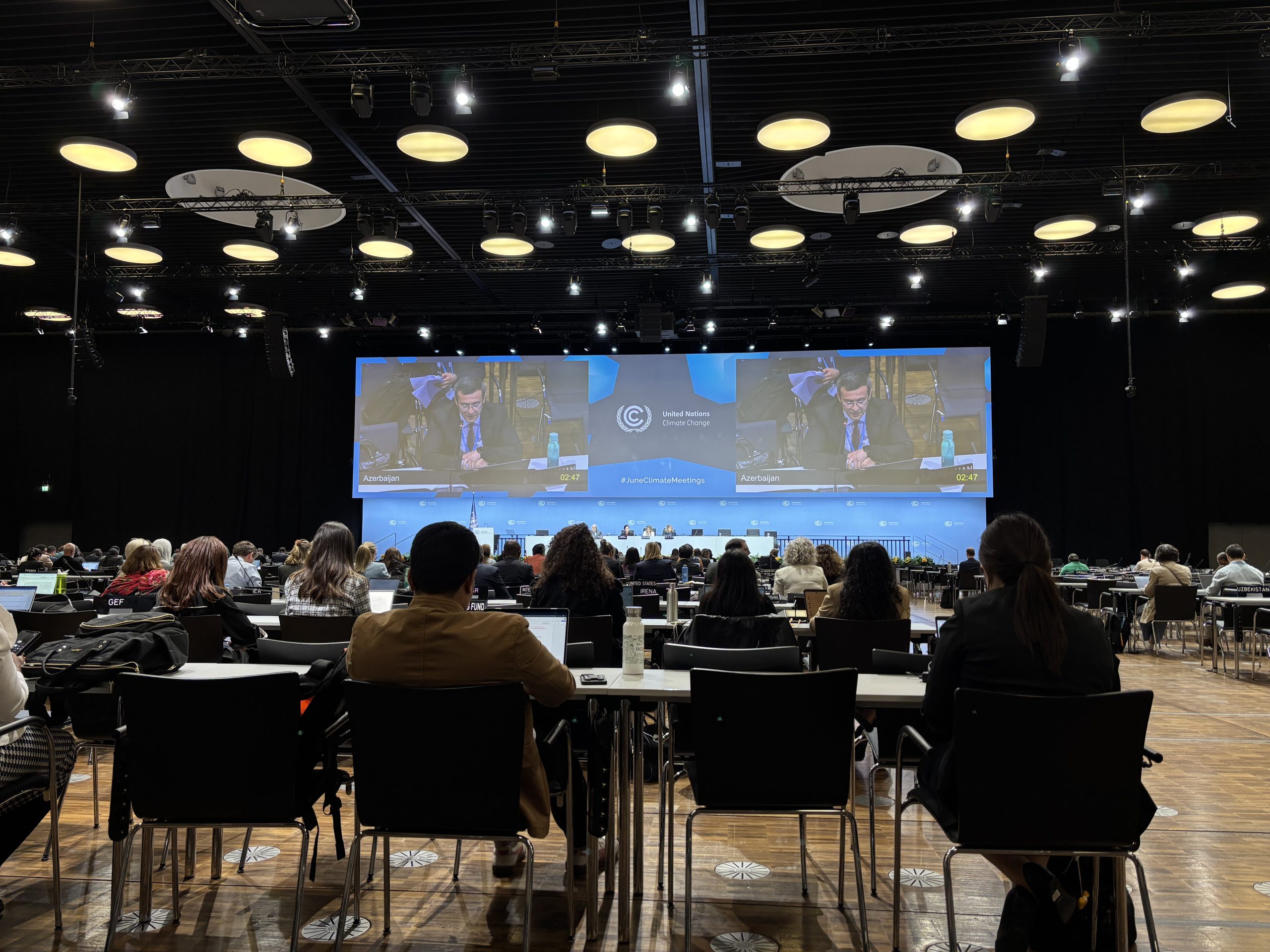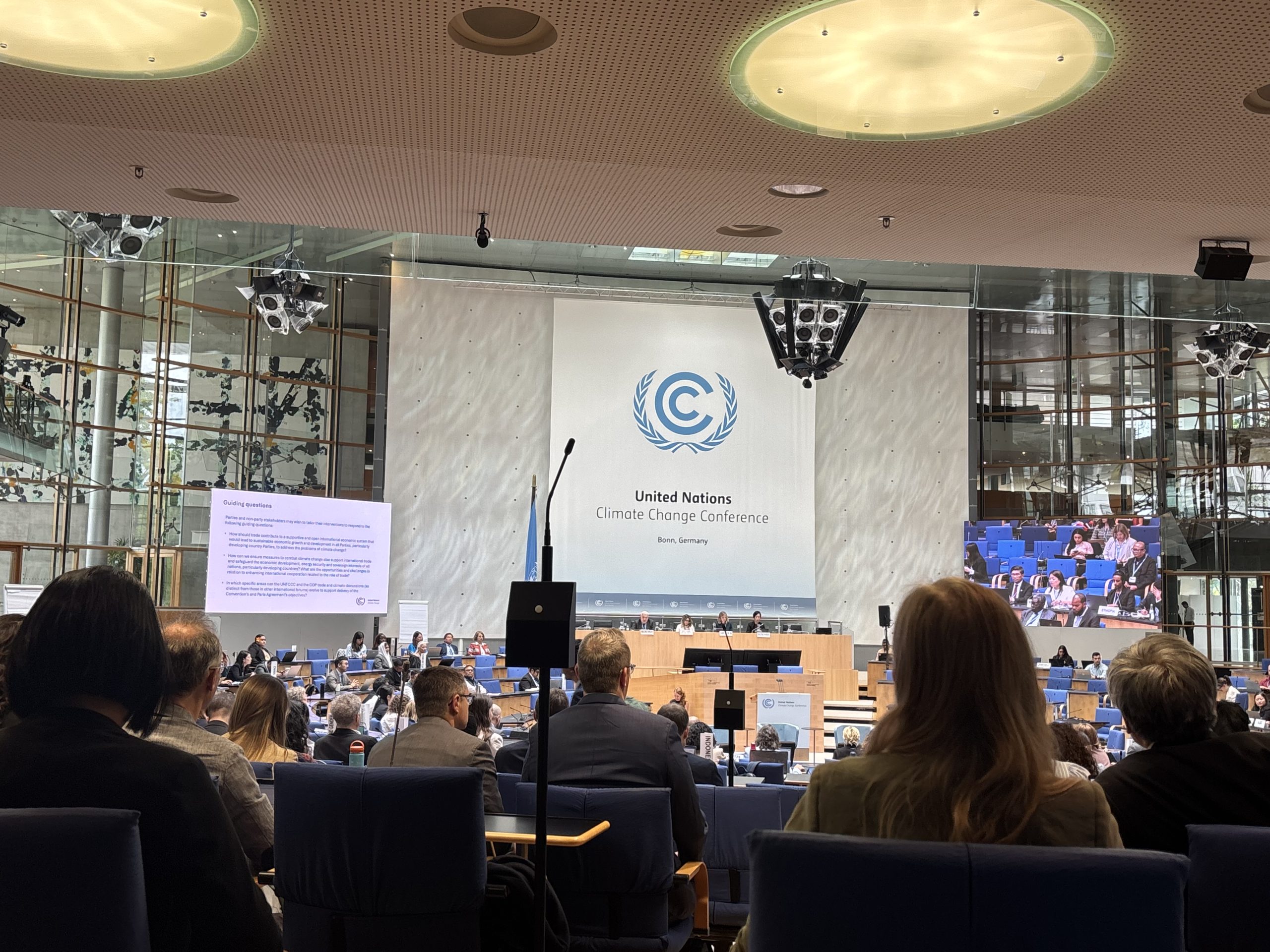
At this year’s SB64, the 64th Meeting of the Subsidiary Bodies to the United Nations Framework Convention on Climate Change (UNFCCC) held in Bonn from 8–18 June 2026, RES Foundation had the opportunity to follow ongoing negotiations, meetings, and side events across the second week of the conference, as well as on Saturday, 13 June.
The Bonn intersessional takes place each year between the Conferences of the Parties (COPs), advancing negotiations and laying the groundwork for decisions at the year-end COP. This year, the 31st Conference of the Parties (COP31) will convene in Antalya, Türkiye in November under a joint arrangement between the governments of Australia and Türkiye. The agenda is split between the Subsidiary Body for Scientific and Technological Advice (SBSTA) and the Subsidiary Body for Implementation (SBI). The 2026 June meetings took place against a challenging global backdrop and the outcomes of COP30.
Progress at SB64 was limited on a number of fronts. Negotiations on several key agenda items including the Global Goal on Adaptation (GGA), the Mitigation Work Programme (MWP), just transition, and research and systematic observation were especially difficult, and on many items Parties could not agree to forward any document for consideration at the next session. One notable outcome was Parties’ agreement to select the UN Environment Programme (UNEP) to continue hosting the Climate Technology Centre (CTC), a decision important for ensuring continued technical support to developing countries in 2027.
Negotiations on the Global Goal on Adaptation were among the most followed of the session. Established under Article 7 of the Paris Agreement, the GGA aims to enhance adaptive capacity, strengthen resilience, and reduce vulnerability to climate change. Informal consultations took up discussions on the basis of work from CMA7 (the 7th meeting of the Conference of the Parties serving as the Meeting of the Parties to the Paris Agreement) in Belém, covering the establishment of a technical taskforce on indicator metadata and methodologies, a two-year policy alignment process, the first phase of the Baku Adaptation Roadmap (BAR), and terms of reference (ToR) for the review of the GGA Framework.
In sessions followed by RES Foundation, the pace of engagement was at times slow, with the chair on at least one occasion having to invite Parties to take the floor several times before substantive exchange could begin. The central points of divergence were persistent ones: developing country groups called for the technical taskforce to be Party-driven and for explicit reference to tripling adaptation finance by 2035, while the EU (European Union), UK, Canada, Japan, and Norway opposed both, arguing that adaptation finance is already addressed under other agenda items and that the taskforce should be expert-driven. After multiple rounds of revised text, no agreement was reached. The item will be included on the SB65 agenda i.e. at the next COP in November later this year.
On Saturday, 13 June, RES Foundation followed the first in a mandated series of three Trade Dialogues, formally titled the Dialogue on Opportunities, Challenges and Barriers in Relation to Enhancing International Cooperation Related to the Role of Trade. COP30 President André Corrêa do Lago underscored that this represented the first dedicated consideration of trade within the climate regime, and highlighted the objective of making trade work as an engine of sustainable development. Introductory presentations were delivered by the World Trade Organization (WTO), the International Trade Centre (ITC), and UN Trade and Development (UNCTAD). The dialogue was structured around three guiding questions: how trade can contribute to a supportive and open international economic system that advances sustainable development, particularly for developing country Parties; how climate measures can be designed to also safeguard trade, energy security, and sovereign interests; and in which specific areas the UNFCCC trade and climate discussions can evolve to support delivery of the Convention’s and Paris Agreement’s objectives.
Parties’ interventions reflected the breadth of perspectives on this emerging agenda item. The G-77/China noted trade’s potential as an engine for developing countries while stressing that unilateral measures should not restrict international trade, increase burdens on developing economies, or override the nationally determined logic of the Paris Agreement. The African Group raised concern over the impacts of carbon border adjustment mechanisms (CBAMs), noting high compliance costs and potential effects on African industrialisation, and argued that current market mechanisms do not adequately reflect environmental costs or the value of African ecosystem services. The Arab Group called for a structured sequence of corrective, cooperative, and if necessary remedial action including finance commensurate with economic damage. BASIC (Brazil, South Africa, India, and China) argued that climate measures must not shift the costs of transition to those least equipped to carry them. India questioned what it described as a flawed articulation of causality between climate and trade measures. Tuvalu, aligning with the Alliance of Small Island States (AOSIS), highlighted the particular vulnerabilities of small island states to trade disruption. The EU called for trade that is open, fair, and clean, acknowledged the need to address negative environmental externalities, and reaffirmed its commitment to interoperability of metrics and standards.
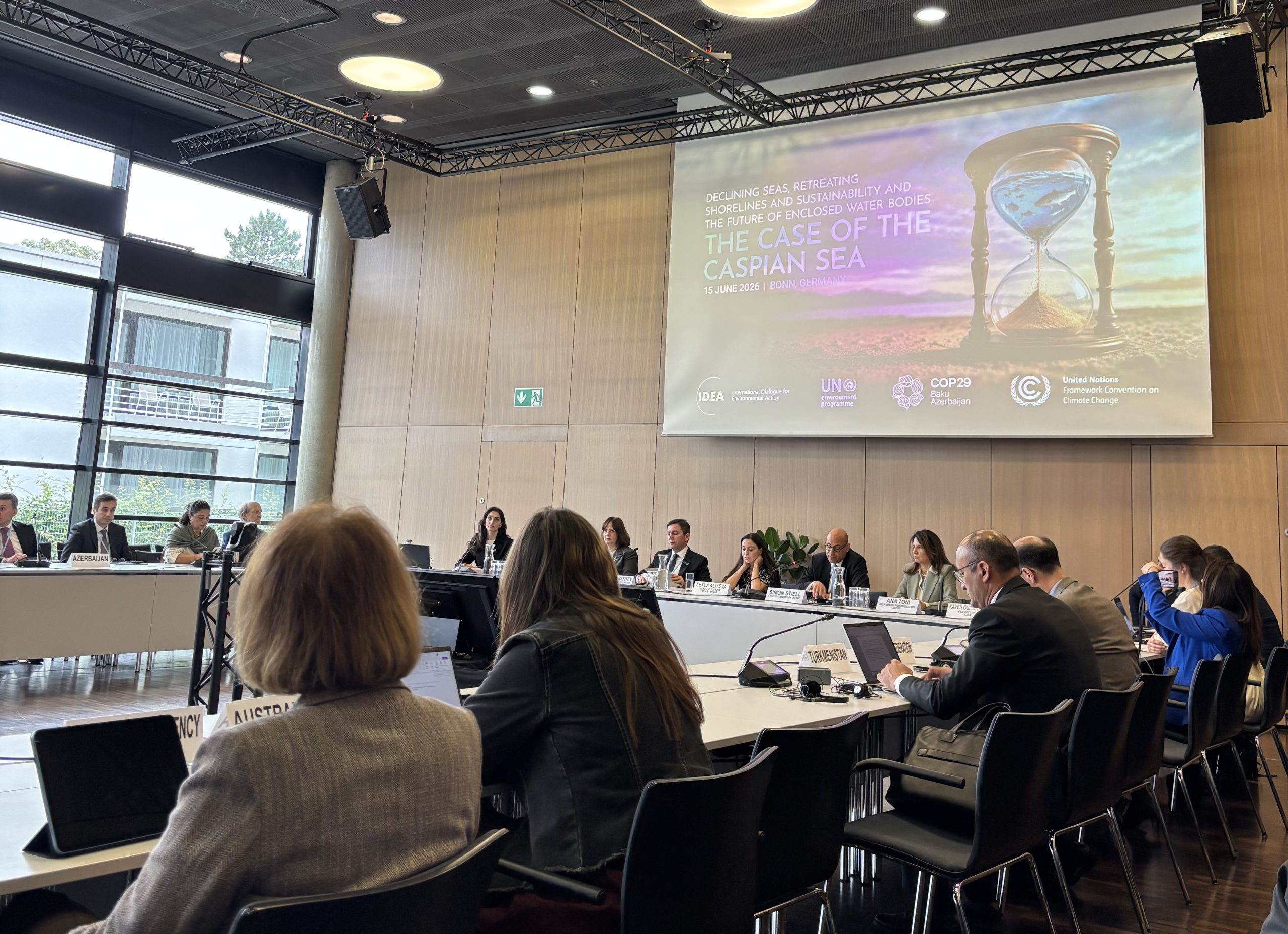
Among the side events attended during the second week, the session on declining seas, retreating shorelines, and the future of enclosed water bodies, focused on the case of the Caspian Sea, offered a compelling illustration of the concrete adaptation challenges facing a specific regional ecosystem. The event drew high-level attendance, including UNFCCC Executive Secretary Simon Stiell. The scientific evidence presented documented a loss of 16,384 km² of Caspian Sea surface area between 2000 and 2025, with the rate of decline accelerating. Shoreline retreat of over 250 metres was recorded in some areas between 2019 and 2025, and coastline retreat of up to 30–40 km was documented in parts of Kazakhstan. Interventions from the five Caspian littoral states underlined both the scale of the challenge and the importance of regional cooperation under the Tehran Convention (TC) as the primary legal framework.
On 16 June, RES Foundation attended the GEF (Global Environment Facility) information session on GEF-9 programming, policy directions, and adaptation strategy. The GEF-9 replenishment currently stands at USD 3.9 billion, below the GEF-8 level, a gap acknowledged by several speakers. Key features of GEF-9 discussed included a 35% share of funding earmarked for the most vulnerable countries, providing a degree of predictability; a 20% aspirational notional target for indigenous peoples and local communities (IPLCs); a streamlined project cycle and one-step approval mechanism aimed at reducing administrative burden, and a strengthened focus on adaptation finance through the Least Developed Countries Fund (LDCF) and the Special Climate Change Fund (SCCF), with emphasis on food systems, water, and nature-based solutions. The GEF Secretariat noted that a new policy on indigenous peoples and local communities is under development for GEF-9.
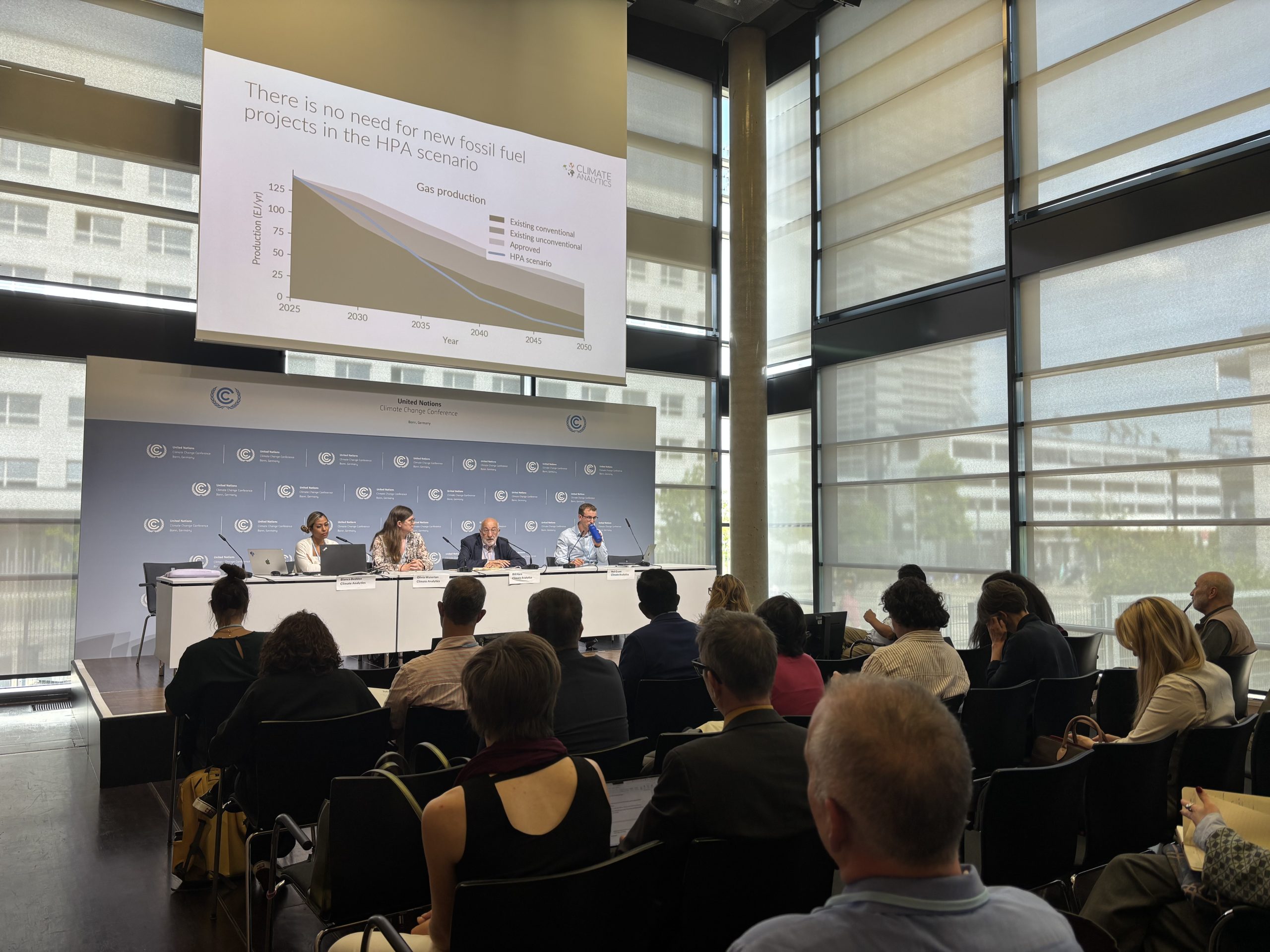
On the same afternoon, Climate Analytics held a press conference presenting their analysis of pathways and principles for fossil fuel phase-out. The presentation addressed concerns that certain framings emerging in negotiations normalise temperature overshoot beyond 2°C, arguing that the Paris Agreement’s intent is to limit peak warming as much as possible and return below 1.5°C by 2100. Climate Analytics’ scenario analysis found that a 1.5°C-compatible pathway requires global emissions reductions of 15–20% by 2030, achievable through tripling renewables in the power sector, rapidly accelerating electrification of end-use sectors, and reducing fossil methane. On food security, speakers noted that fossil fuel dependency itself constitutes a food security risk, citing fertiliser market disruption, and pointed to locally-produced renewable energy as the path toward greater energy and food security for developing countries.
RES Foundation also attended the UN80 briefing, which focused on strengthening UN system delivery in the environmental governance space. The recommendations, still in draft form at the time of the session, addressed three goals: strengthening environmental governance through programmatic synergies across Multilateral Environmental Agreements (MEAs) and harmonised reporting; and scaling implementation of country commitments through a coordination architecture for UN system-wide policy coherence, the creation of AI-enabled Support Centres starting with a pilot Climate Support Centre as a one-stop shop for member states, and the institutionalisation of direct engagement with real-economy actors. The UNFCCC Secretariat noted that the process currently manages over 550 mandates, and that an internal assessment is underway to identify overlaps and options for rationalisation, with any decisions on mandates remaining fully Party-driven within a consensus-based process.
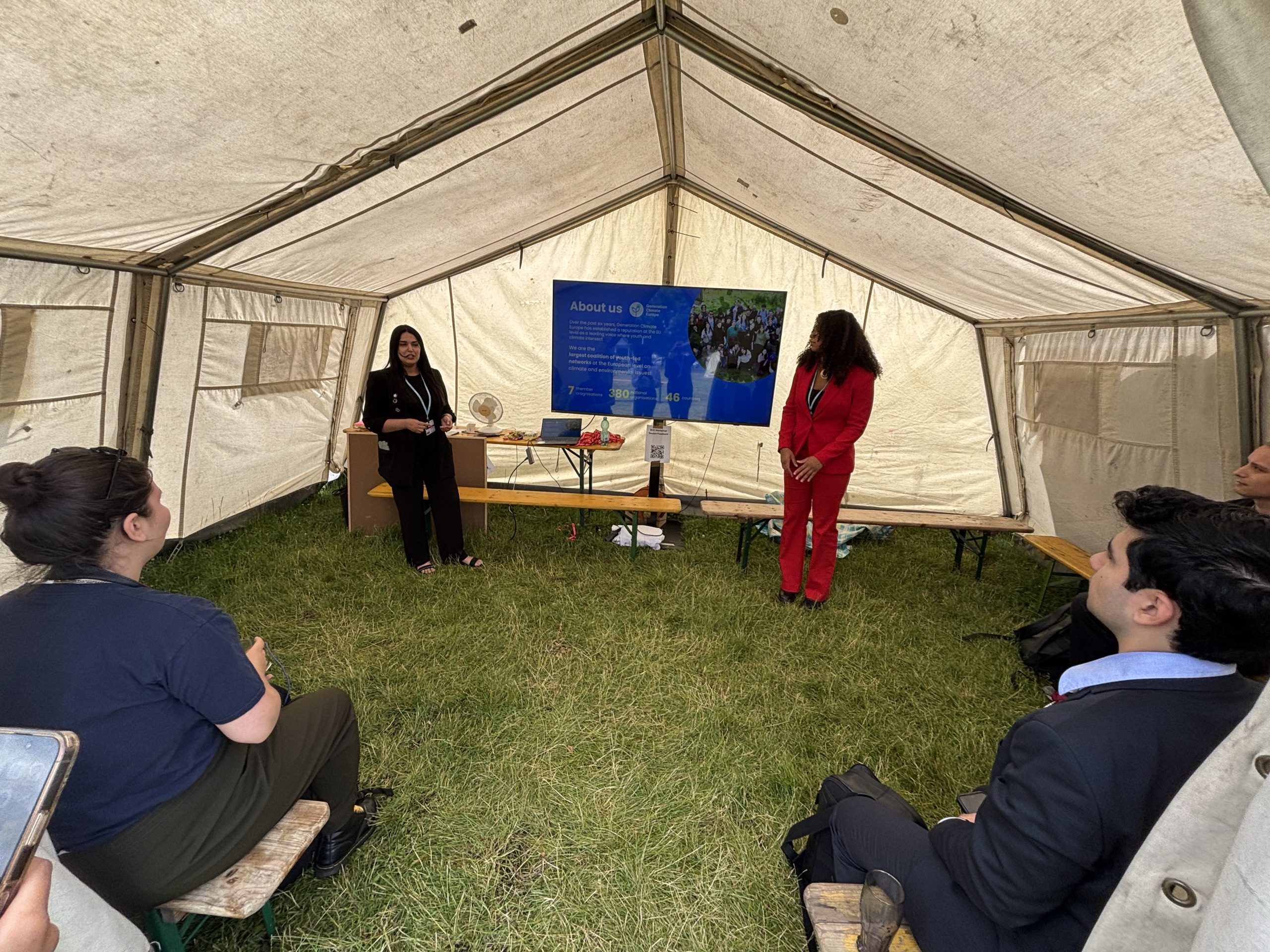
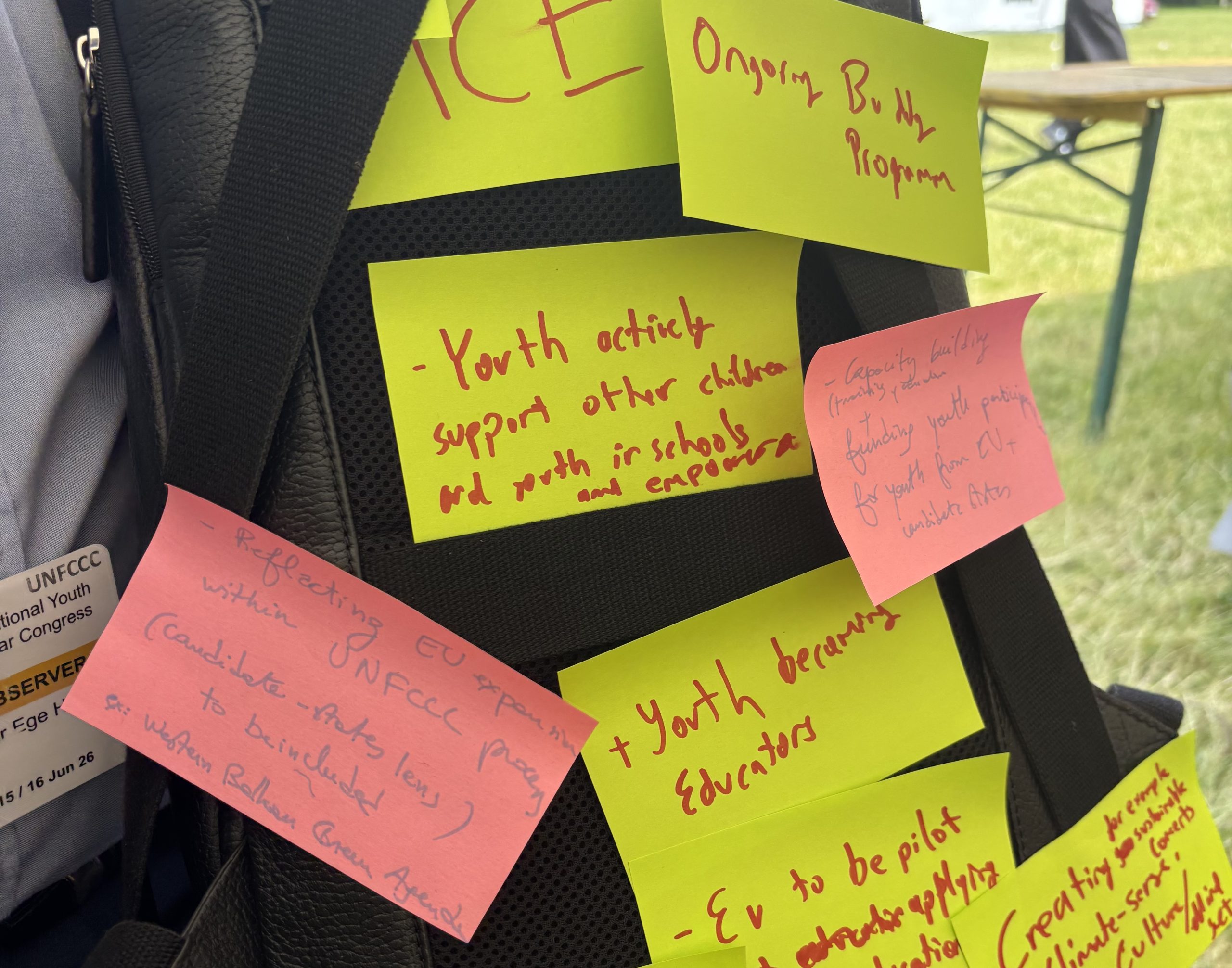
Finally, RES Foundation participated in the Bonn Climate Camp event on EU climate policy advocacy and activism, organised by Generation Climate Europe (GCE). The session brought together youth advocates from across the EU and its neighbourhood in three breakout groups structured around questions on the EU’s desired role at COP31, barriers, tools, and policies for climate action, and the role of youth perspectives in global and EU climate policy, and on fair and just implementation of climate policies across countries and communities. A key recommendation emerging from the breakout group followed by RES Foundation concerned the integration of youth from EU accession candidate countries into multilateral climate processes, including the UNFCCC negotiations. The argument made was that building this familiarity now (before accession) would ensure that, when these countries join the EU, there is already a generation of leaders versed in multilateral climate governance and capable of developing the next generation of negotiators. A concrete best practice was highlighted in this regard: the embedding of youth negotiators in national delegations in substantive rather than ceremonial roles, a model already implemented by some countries and one that participants considered worth expanding more broadly.
The session was gaveled to a close late in the evening on Thursday, 18 June, bringing the 2026 Bonn intersessional to an end. With limited progress achieved on several key agenda items, attention now turns to Antalya and COP31, where Parties will be expected to pick up many of the unresolved threads from Bonn.
Photo gallery: