Author: Marko Macura
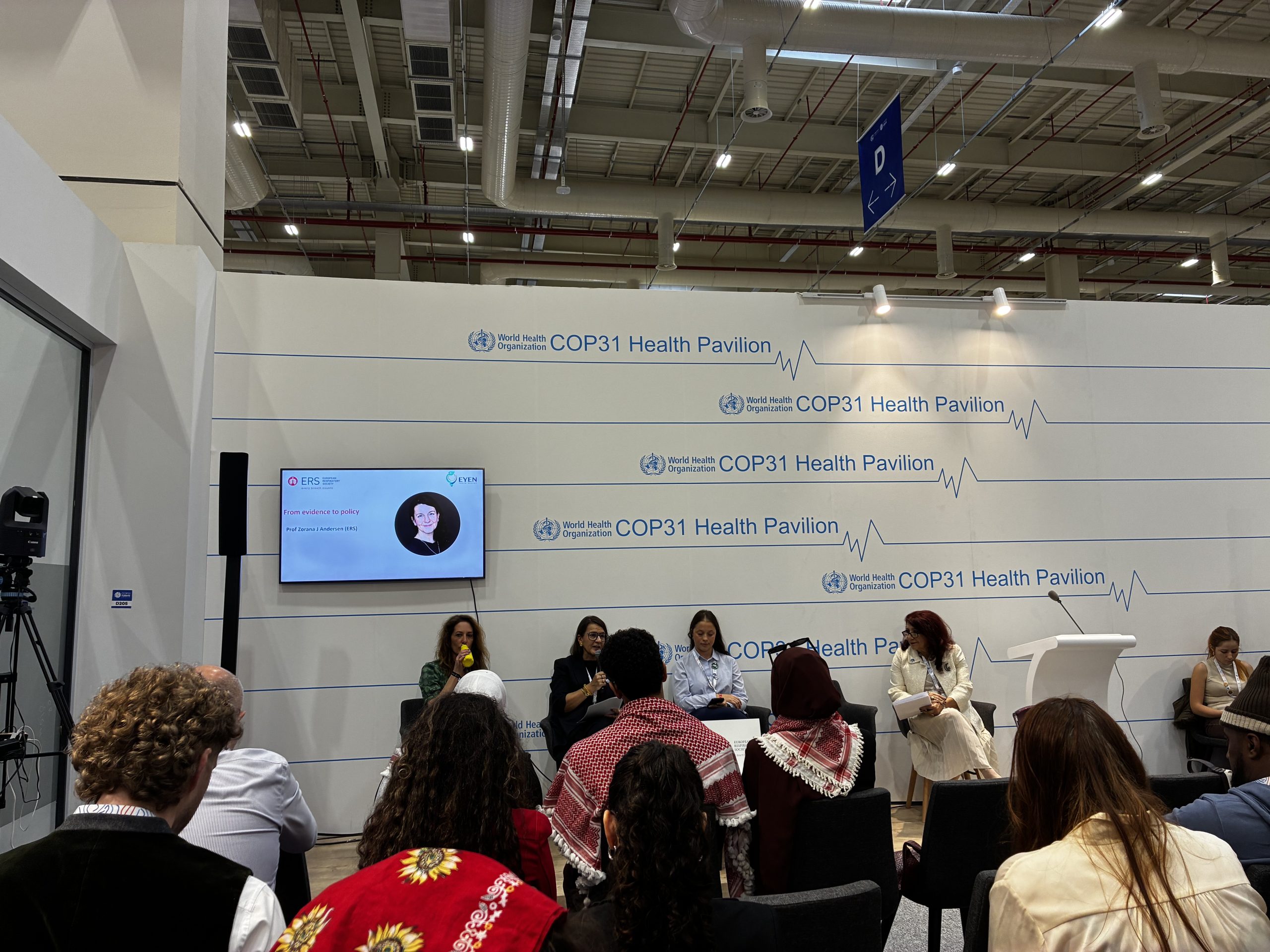
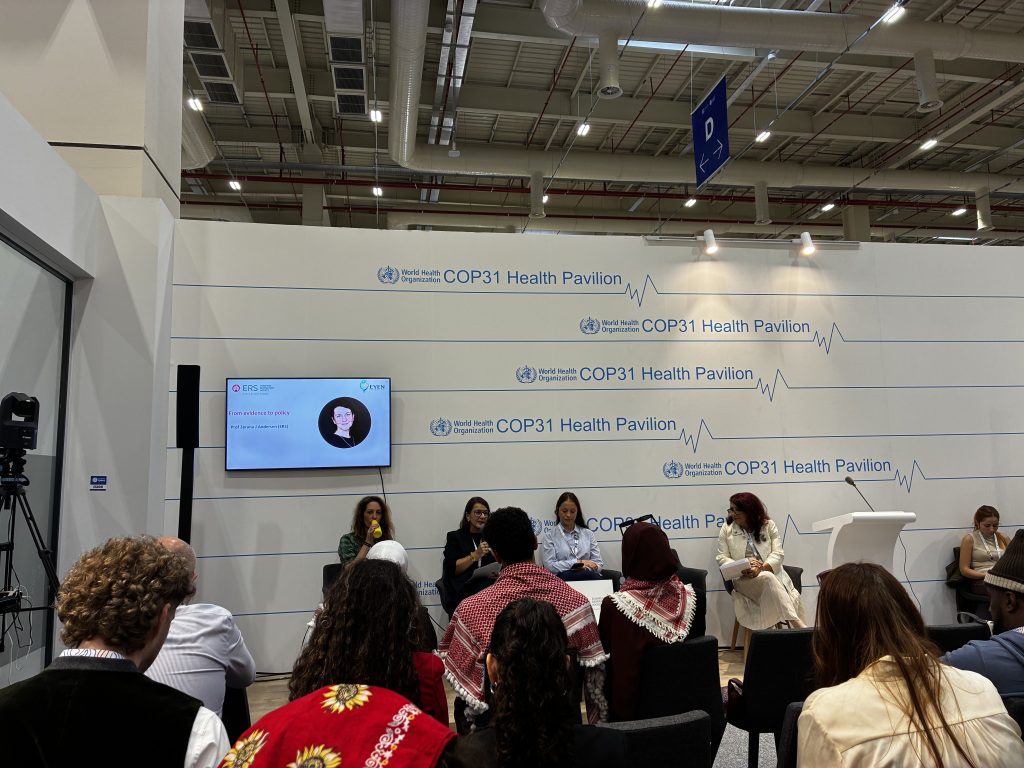
“Since Diwali started,” said one woman in the audience, “my asthmatic child can’t go outside.” This was one of the statements from the audience at the WHO panel on air quality and its impact on health. Maya Mailer from the organization “Our Kids’ Climate” cited several cases of fighting for better air. She cited efforts in Kigali, by certain enlightened people, to repair used cars from Europe to have less gas emissions. Reports and studies have shown that children’s lungs in London are much stronger after the introduction of rules on the presence of motor vehicles in the city centre. Although these rules were very unpopular, now we can see their undeniable impact on the health of children in this big city. In Paris, they also introduced bans on access to motor vehicles in the streets near schools. She pointed out that in some countries, children carried mobile devices for measuring air quality on the way to school, and that it has been proven that the highest pollution is when children go to school. She also stated that the fight for better air starts from ordinary people and depends on their agreement. Zorana Jovanović Andersen also participated in the panel, and noted that individual fireplaces with larger emissions, common in Eastern Europe, are a major cause of children respiratory diseases. After a short delay, Dr. Maria Neira appeared and drew the audience’s attention to the great role of health and its connection with climate change. She pointed out that she is satisfied that the number of pavilions concerning the topic of health is increasing from year to year, but that it would be better if each pavilion at the COP had a small corner dedicated to health. The figure of 7 million deaths annually as a result of air pollution was also mentioned. This number is slightly below 16,000 premature deaths in Serbia. The death rate caused by high concentrations of PM2.5 particles is four times higher than in Europe. In the Air Protection Program of the Republic of Serbia 2022-2030, according to the scenarios of mitigating the impact of air on people, chronic mortality is expected to decrease by 40%. This document also says that the most expensive scenario for Serbia is the one in which nothing is done about this topic.
Today’s topic of the conference was “Resilient Cities”. In the panel entitled “Evidence for climate action”, a panel was held that deiscussed urban planning and management. One speaker was a professor from the University of Allahabad who presented a climate sector analysis study of three cities in India. The focus was on the fact that these cities (Mumbai, Chennai and Allahabad) became active and paid more attention only when they felt the effects of climate change. He also pointed out that it is easier to get financing for increasing the resilience of cities when more functions can be found for one project. One example is the ‘sponge’ parks in Chennai. They are full of hollows, in order to receive large amounts of water in case of floods and save other parts of the city.
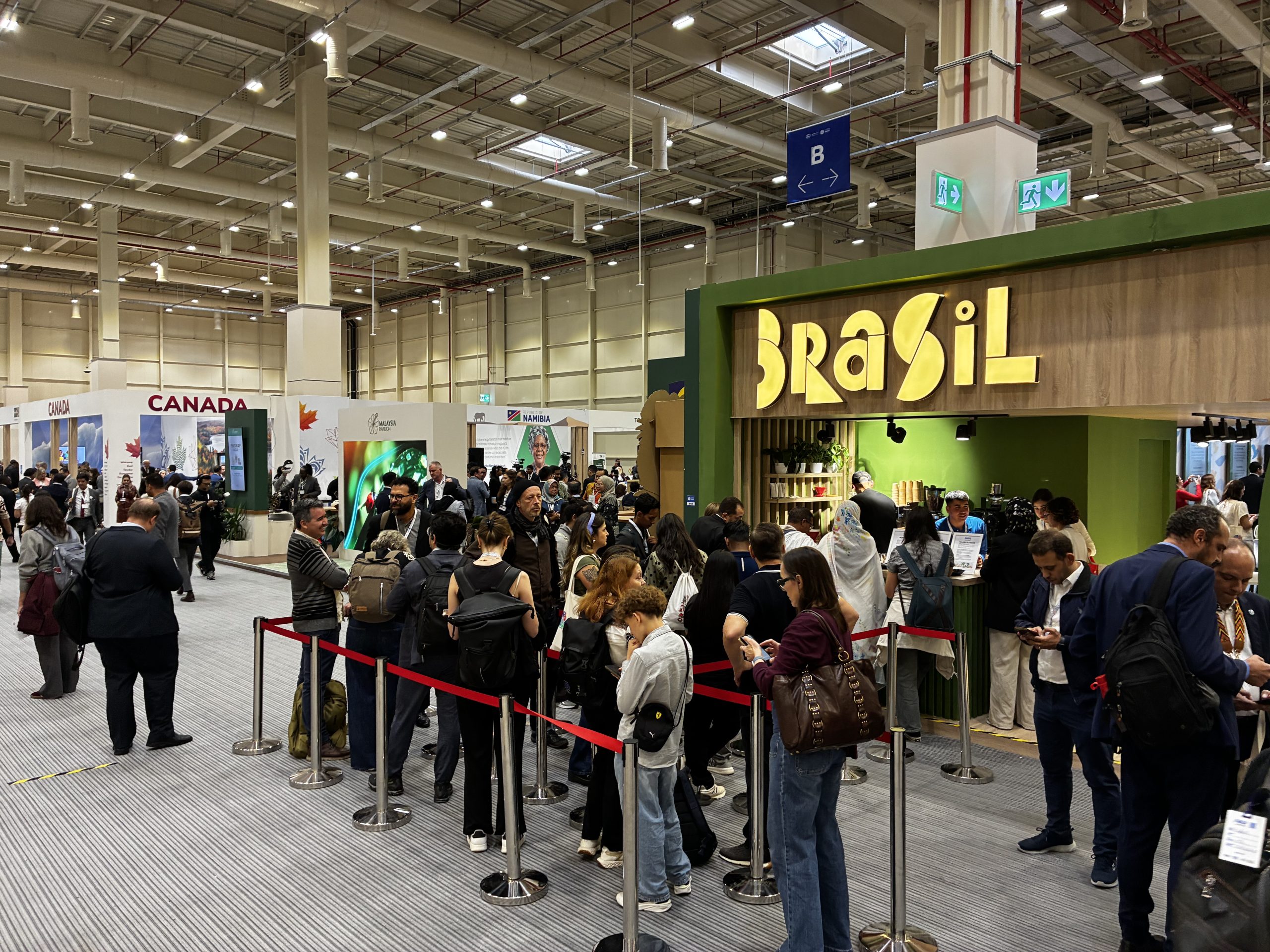
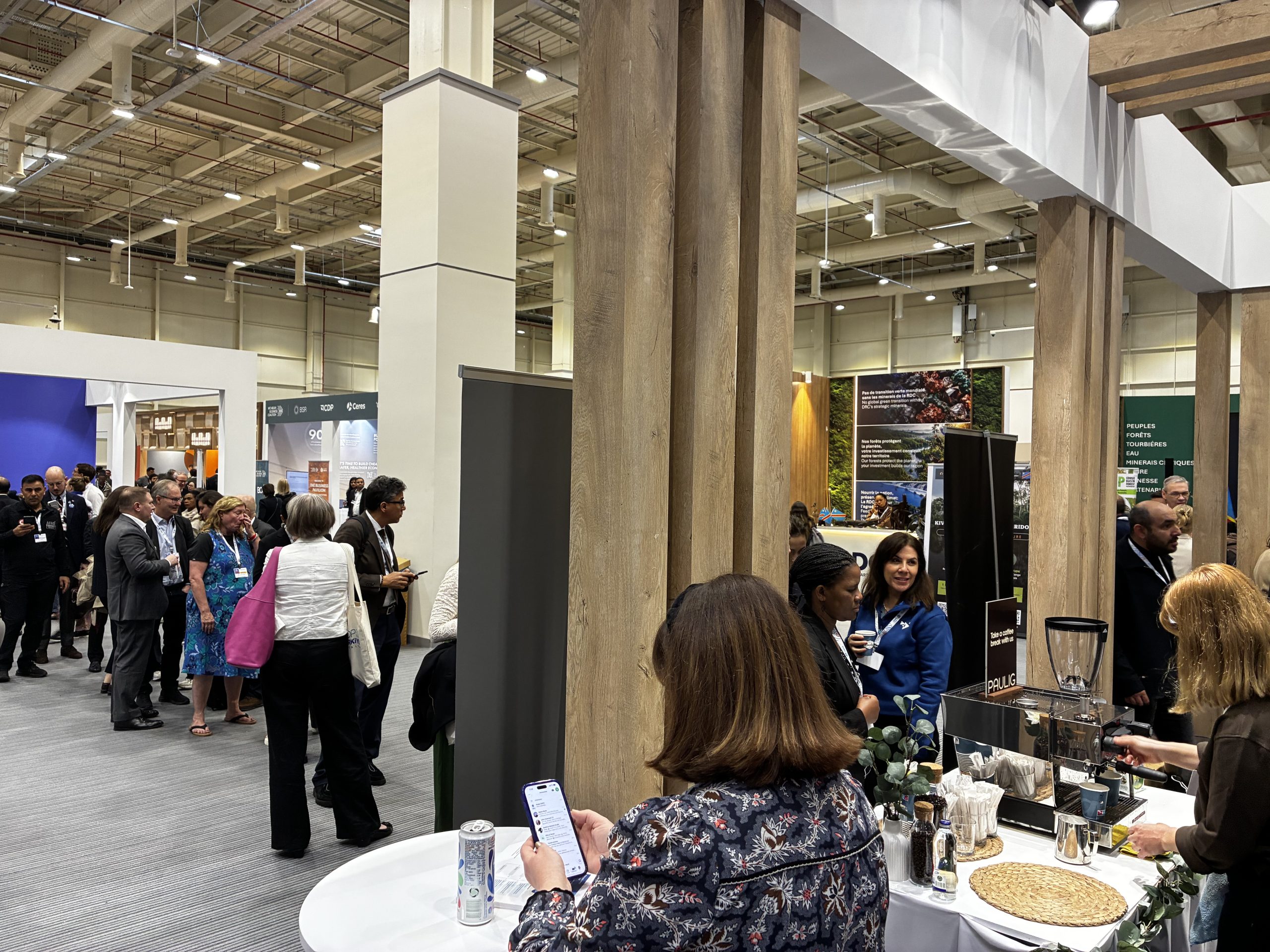
We were also present at two panels in the Finnish pavilion. One was organized by UNICEF and discussed the topic of green transition and ensuring the safety of children in it. The representative of UNICEF in Turkey, Paolo Marchi, assured the young people in the audience and encouraged them that his organization supports young people in different ways. He mentioned that they offer exclusively paid positions, free courses dedicated to preparing for job hunting in a green future and presenting jobs that will survive. The second pavilion had a discussion about the operations of Nordic companies and their appeal to the conference for greater participation in decision-making. Although they are grateful for the greater participation compared to previous years, they point out that they have data and knowledge about which business models can succeed in the real world, and that no one is asking them for this information. They also mention that they are ready to provide private capital and that companies from this region are leaders in self-investment in sustainable ways of doing business. While some deal with business, others prepare young people for the future, and while Nordic businessmen discuss their participation, the largest number of people gather in front of the Brazil and Australia pavilions. Although not because of what is inside them but because of the excellent free coffee in front of them. People stand for more than 10 minutes to get this coffee. During the lecture on the green transition and young people, which was listened to by couple of us, a line of dozens of people formed in front of the Finnish pavilion, waiting for the “famous” Finnish coffee. As every day so far, the atmosphere is divided between optimists and pessimists, even among those in line for coffee.
Photo credits: Marko Macura and Perun Prodanović