Author: Marko Macura
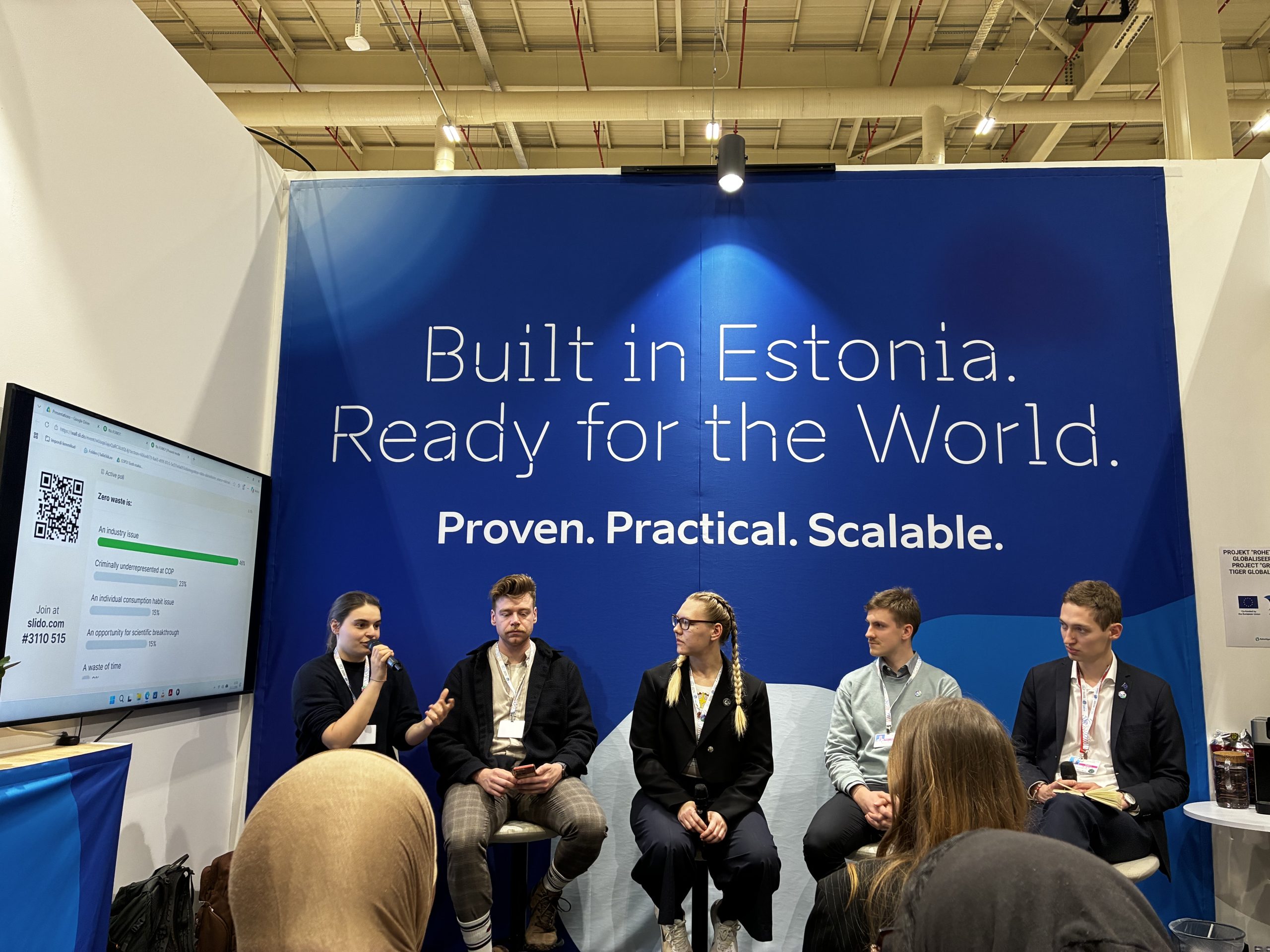
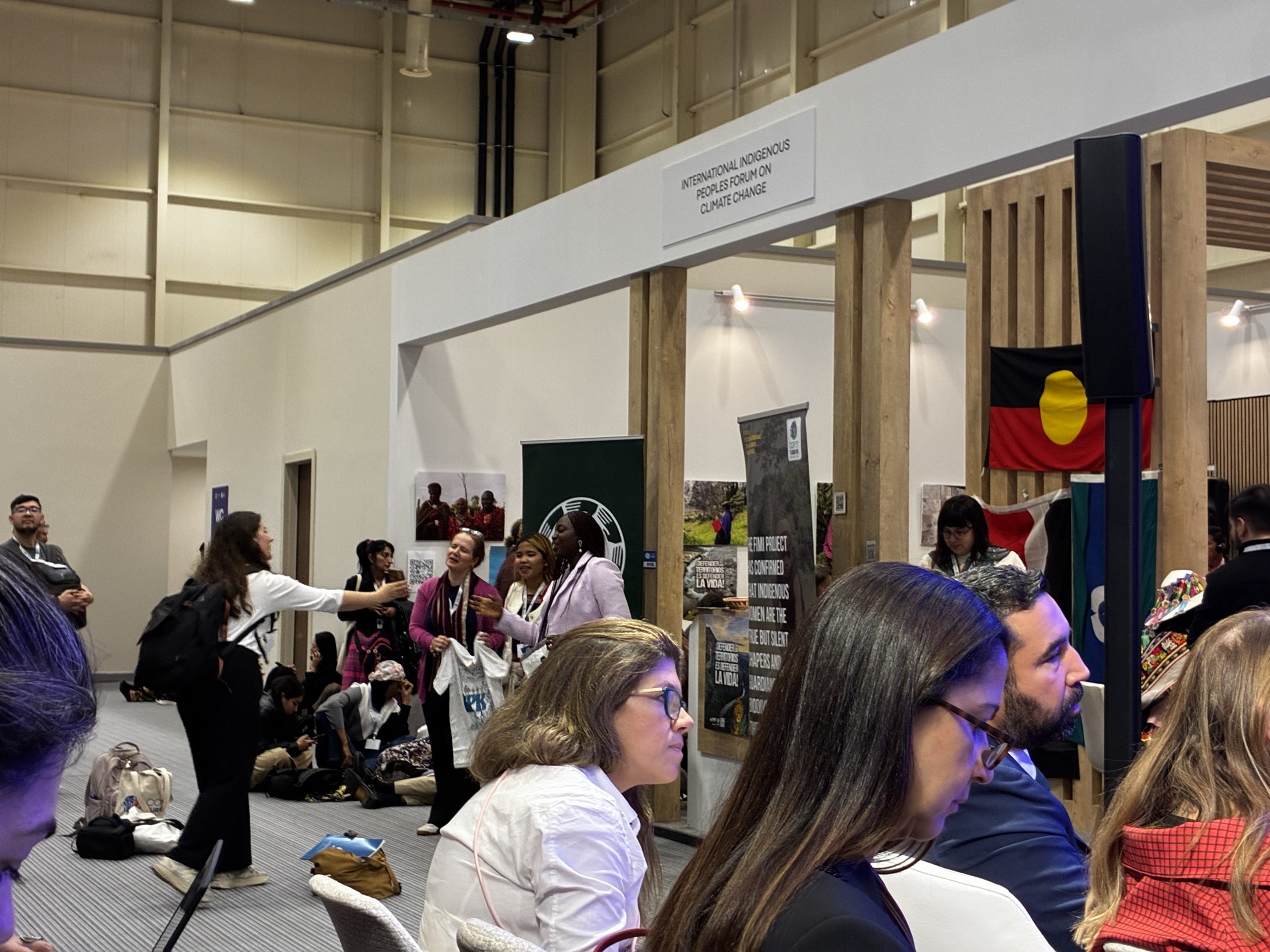
“What does zero waste mean to you?” was the question of a panel organized by young EU delegates in the Estonia pavilion. Today was a day dedicated to this topic and like every day the young delegates gathered to make a summary of today’s panels at the COP. About twenty people voted in the poll and the first choice in the answers was the problem of the industry, with 50% of the votes. The panelists agreed, but also pointed out that it is closely related to the second-to-last choice – an opportunity for technological progress. They also pointed out that one thing they hear everywhere is the allocation of money for actions that will help with the “zero waste” mission and the establishment of a circular economy. They say that this is the most important topic and that the biggest problem in establishing a circular economy is presenting a good business model to banks that would provide the necessary capital for these changes. The problem of obtaining the necessary money to combat climate change was also highlighted by leaders of smaller countries, as well as countries that are affected by the change. Luxembourg’s young climate delegate pointed out to the audience the fact that current warming rate forecasts could cost the Earth 40% of GDP, while the Great Depression of the 1920s cost “only” 27%.
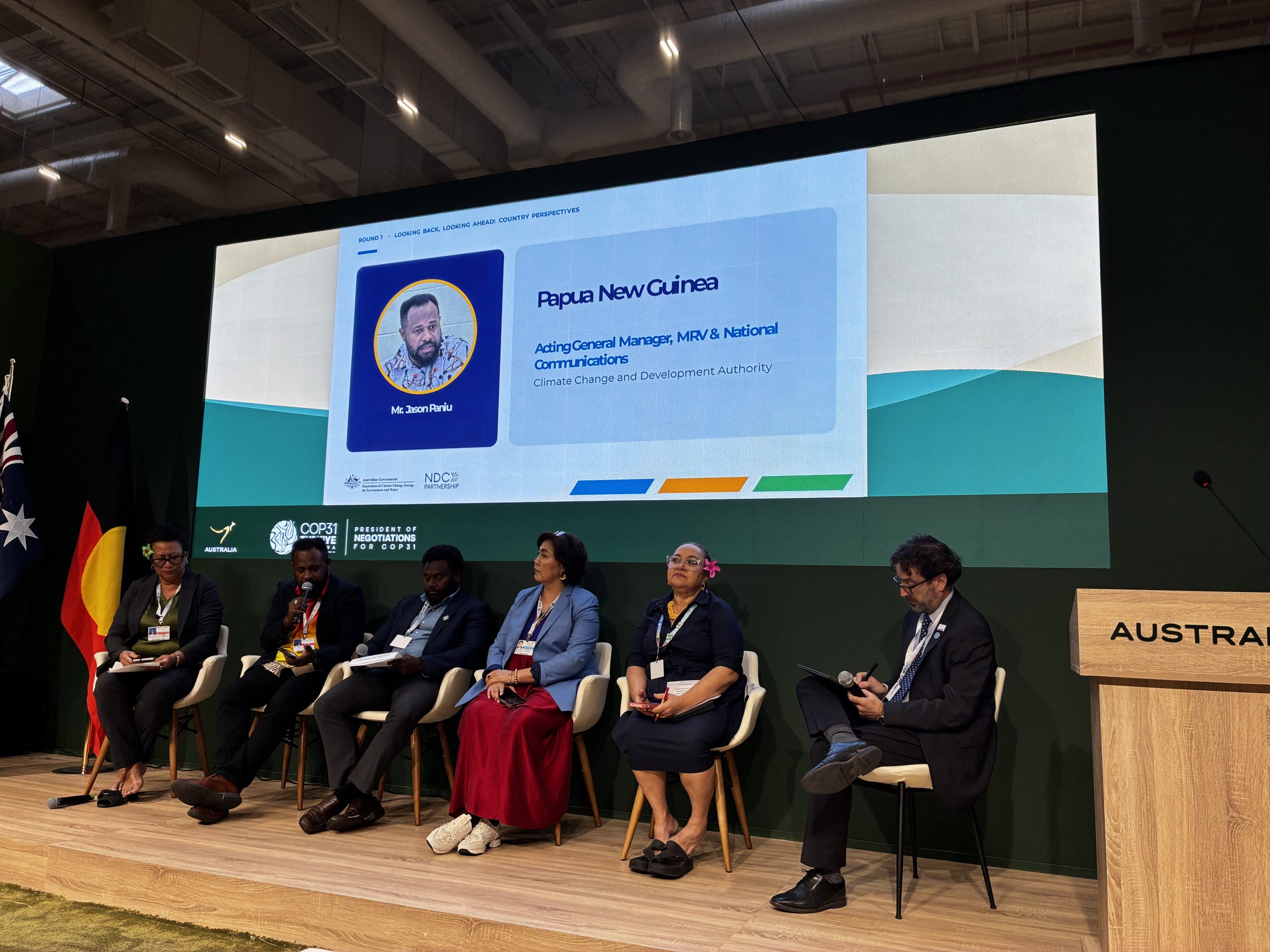
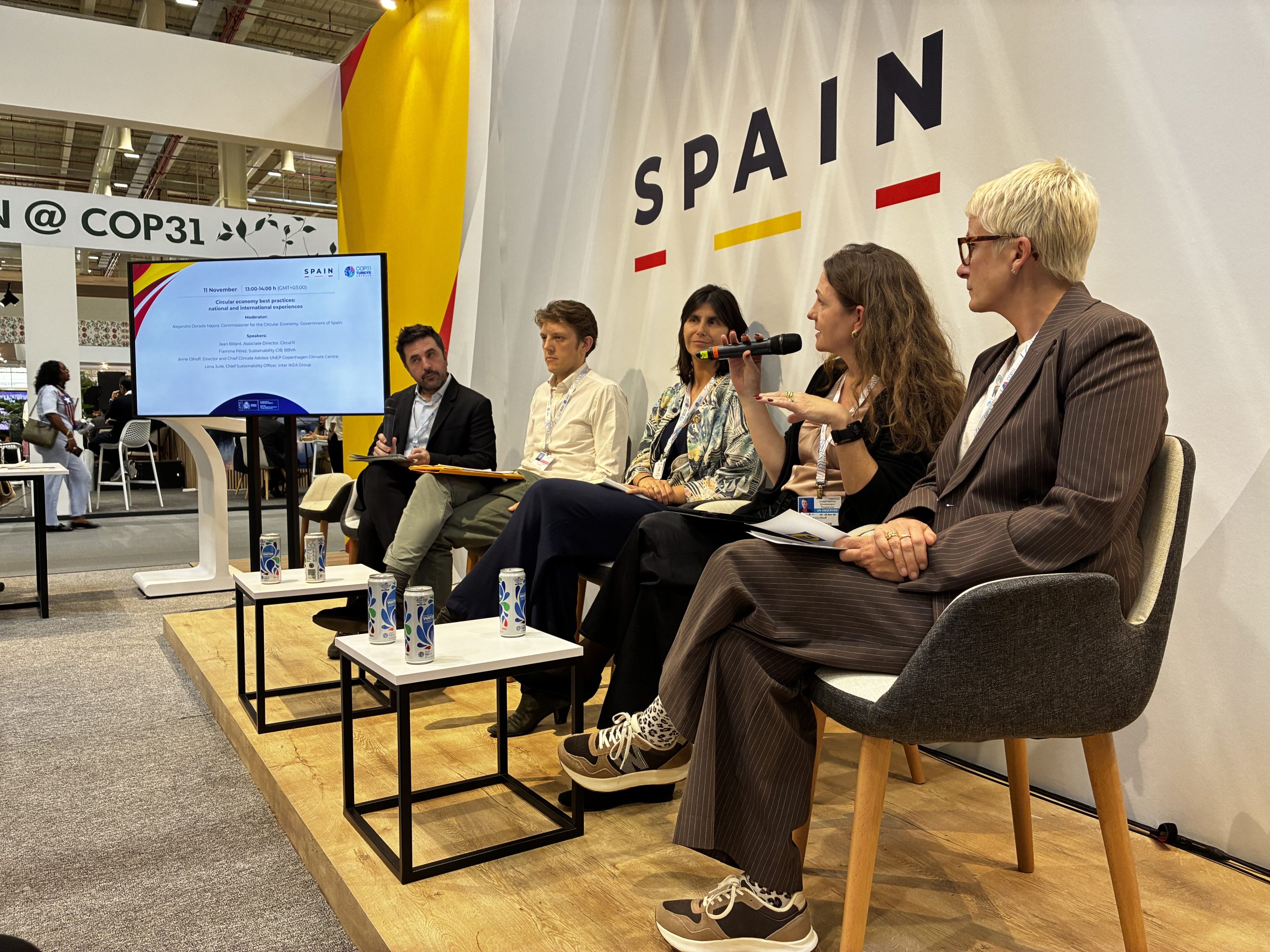
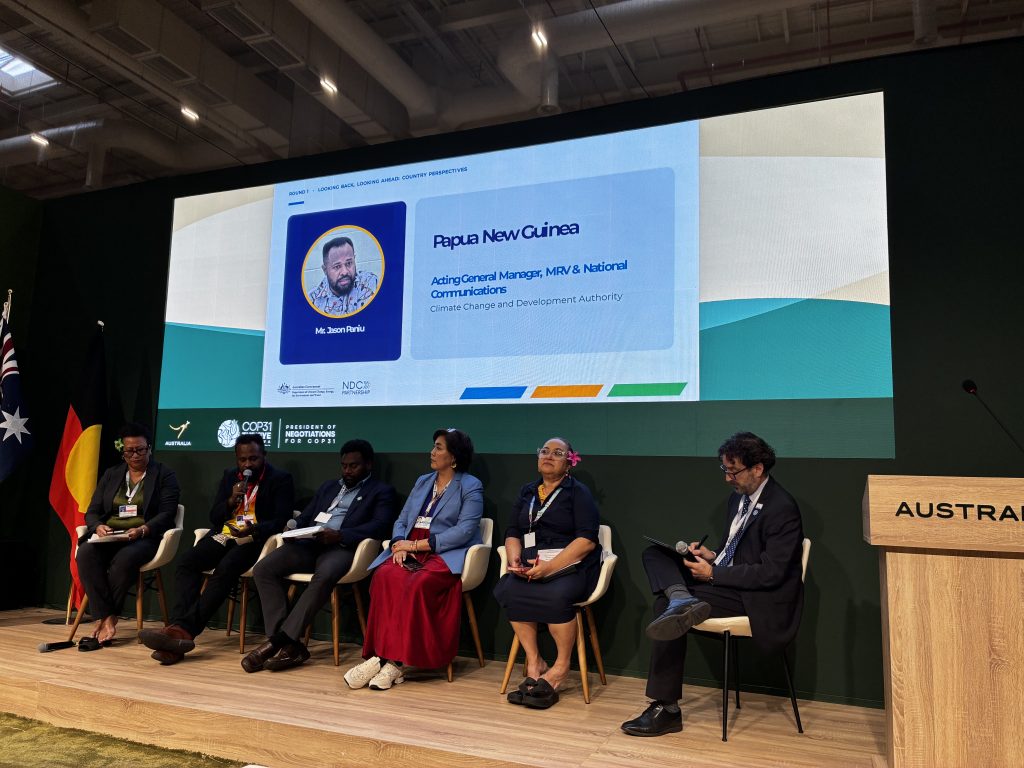
Two meetings were held today, where the politicians present at this conference spoke. They appealed to provide affordable loans to smaller countries to combat climate change, as they are primarily the victims. The Australia Pavilion hosted several Pacific Island countries and a panel dedicated to lessons learned over the past 10 years in collaboration with the NDC Partnership. The representatives of these countries pointed out that the past few years have been extremely successful and that the inhabitants of these islands are determined and united in the fight against climate change. They reminded the audience that the 1.5 degree target has been exceeded and that it is not enough for island nations to combat global warming alone. As for developed countries and their attempts to combat, we single out the panel in the Spanish pavilion where the circular economy was discussed. The panel presented some of the best national and international examples of this kind of economy. One of the panelists was Jean Bilan, deputy director of CirculR from France, which advises companies in changing their business models. He pointed out that recently more and more companies are dealing with the circular economy and that the stigma around buying used is slowly disappearing. Mrs. Fiamma Perez, programme director for sustainable business at BBVA, pointed out that banks are already investing in such models. She also indicated that the most important signs before investing are a reliable business model and a healthy ecosystem. Inter IKEA’s director of sustainability, Lena Julle, presented a number of encouraging examples of the circular economy at IKEA. A recently launched project to refurbish IKEA products across the European Union aims to reduce the production of new and encourage the reuse of old. Users can sell and buy used furniture on the website of this Swedish company under their warranty. With this service, it is also possible to order parts that are missing from furniture without extra charge directly from the manufacturer. She also showed that seemingly small things mean a lot. She used the presence of colleagues from France and Spain to point out to them the fact that they have different symbols for recycling and that because of this IKEA has to use more packaging than it would if the symbols were universal.
I would also briefly touch on the panel that discussed the response of the state of California to the recent crises caused by global warming. The member of the upper house of this federal state, Ben Allen, spoke. He is on TIME magazine’s list of the 100 most influential people in the field of climate action. He pointed out that he is on the list near Elmo, the doll from Sesame Street, and that people who are concerned with simplifying the events caused by climate change are doing one of the best communication actions. He also mentioned that no matter how many people in the room (academics and another member of the upper house) think they are doing a good job in communicating the consequences of global warming, they must not present it as a lesson to the general population. He also suggested that doctors should be the ones who communicate the consequences of air pollution, because fear would make it easier to tell people that (re)action is necessary.
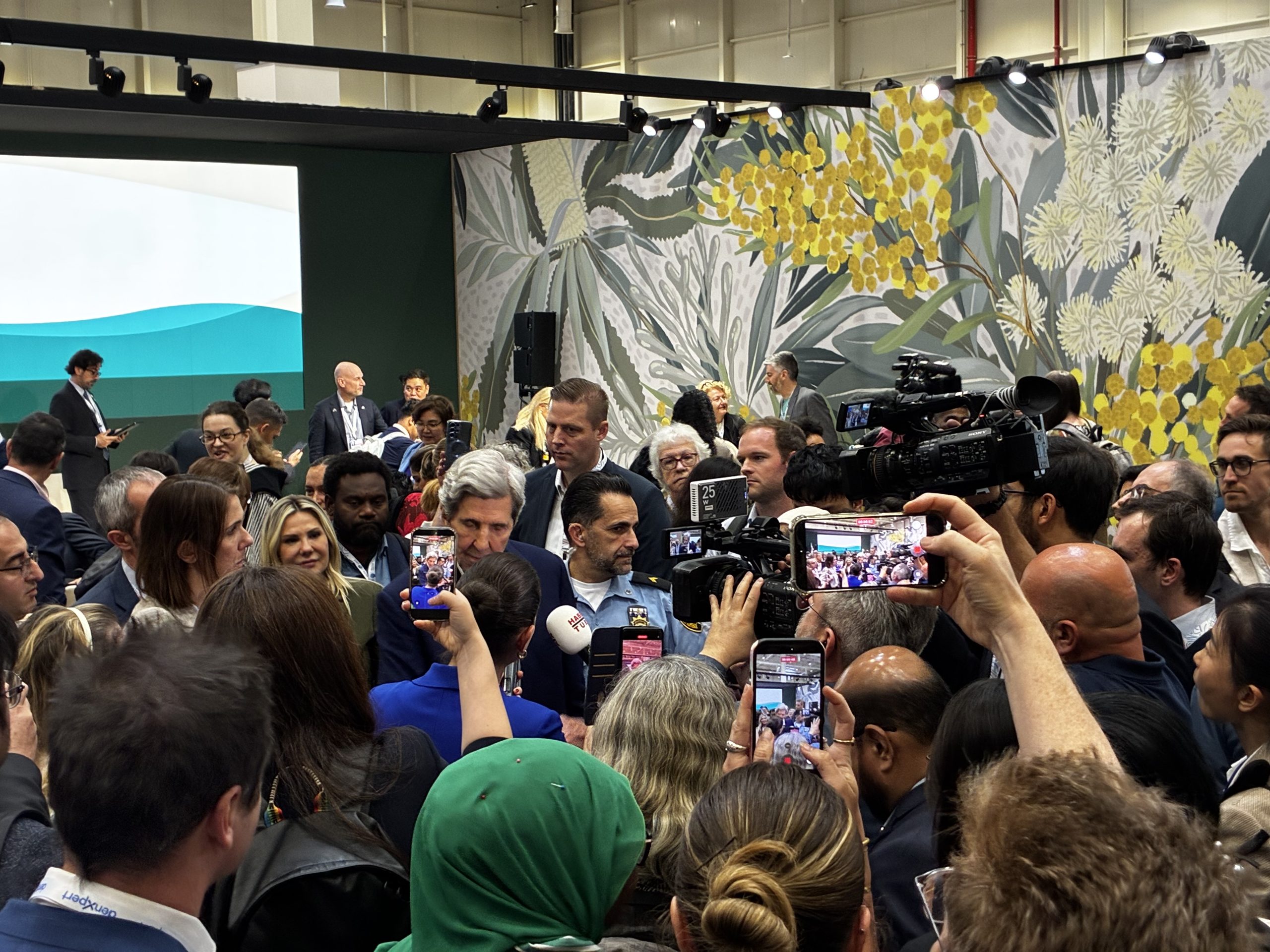
On Armistice Day in the First World War, the atmosphere is gloomy at the EXPO Center on the Mediterranean coast, not only because of this terrible tragedy that ended 108 years ago, but also because of the potential tragedy that awaits us in the coming decades. Country leaders and academics are looking for sufficient capital to fight the enemy, but all together doubt the determination of the “allies”. Secretary-General Guterres said that lobbying for fossil fuels must go the way of the dinosaurs and that the time to transition away from fossil fuels is now. In addition to the ever-current issue of finance, the circular economy also requires the help of the general population in overcoming the stigma that it is only for less well-off people. The success of Vinted, a platform for the sale of used items, is a sign that the population is also ready for an all-out fight for our planet.
Photo credits: Marko Macura and Perun Prodanović