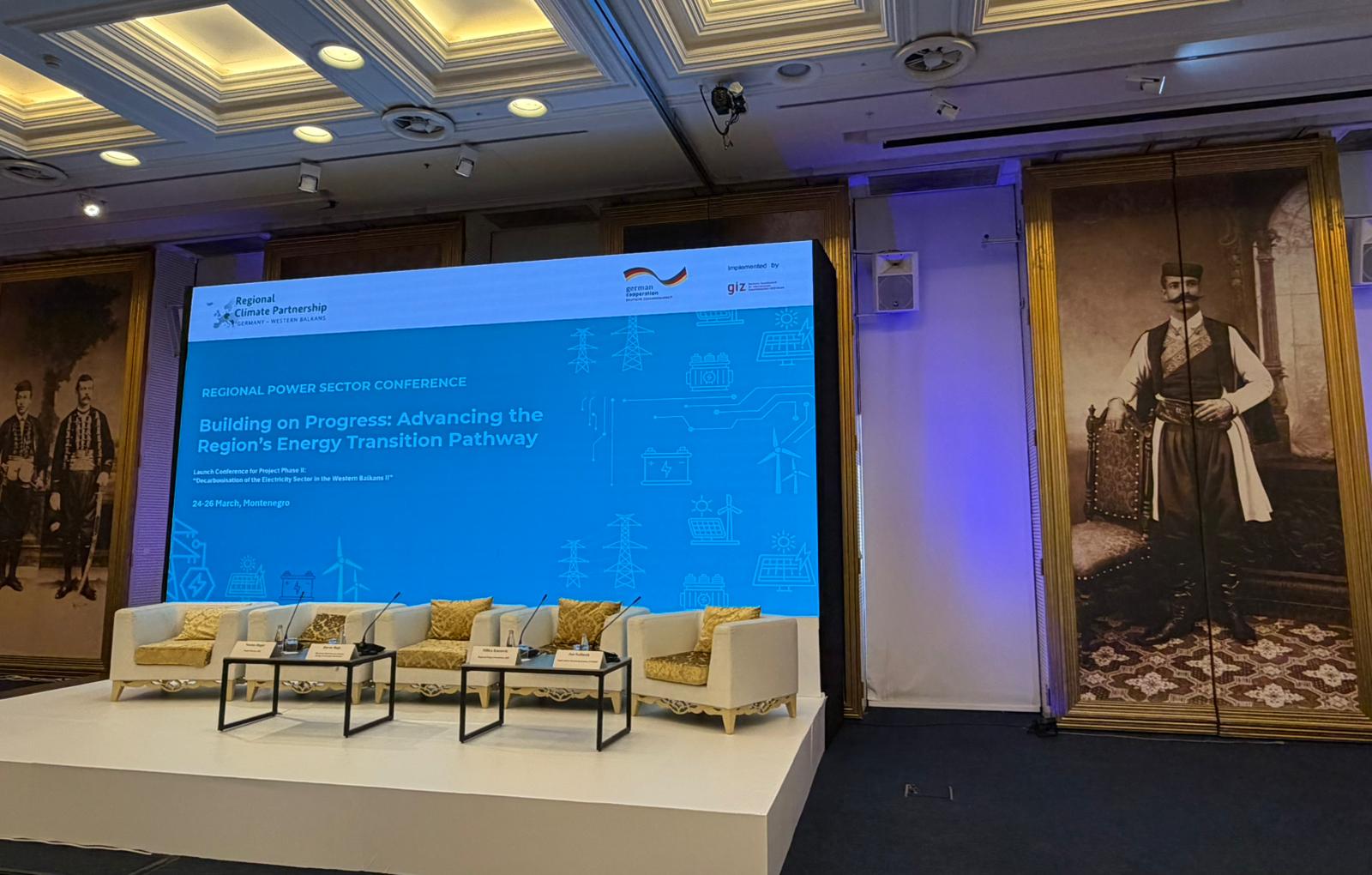
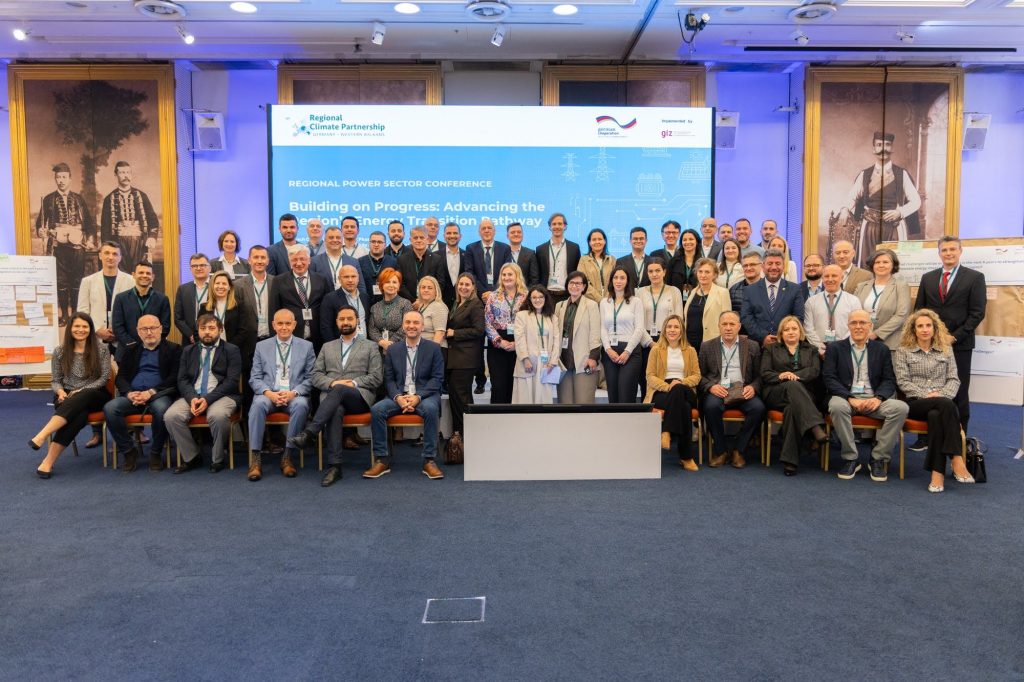
Representatives of governments, regional organisations, financial institutions, and energy experts from the Western Balkans gathered in Budva for the conference “Building on Progress: Advancing the Energy Transition Pathway of the Western Balkans.” The event marked the launch of the second phase of the project “Decarbonisation of the Electricity Sector in the Western Balkans II,” implemented by Deutsche Gesellschaft für Internationale Zusammenarbeit (GIZ) GmbH within the framework of the Regional Climate Partnership between Germany and the Western Balkans.
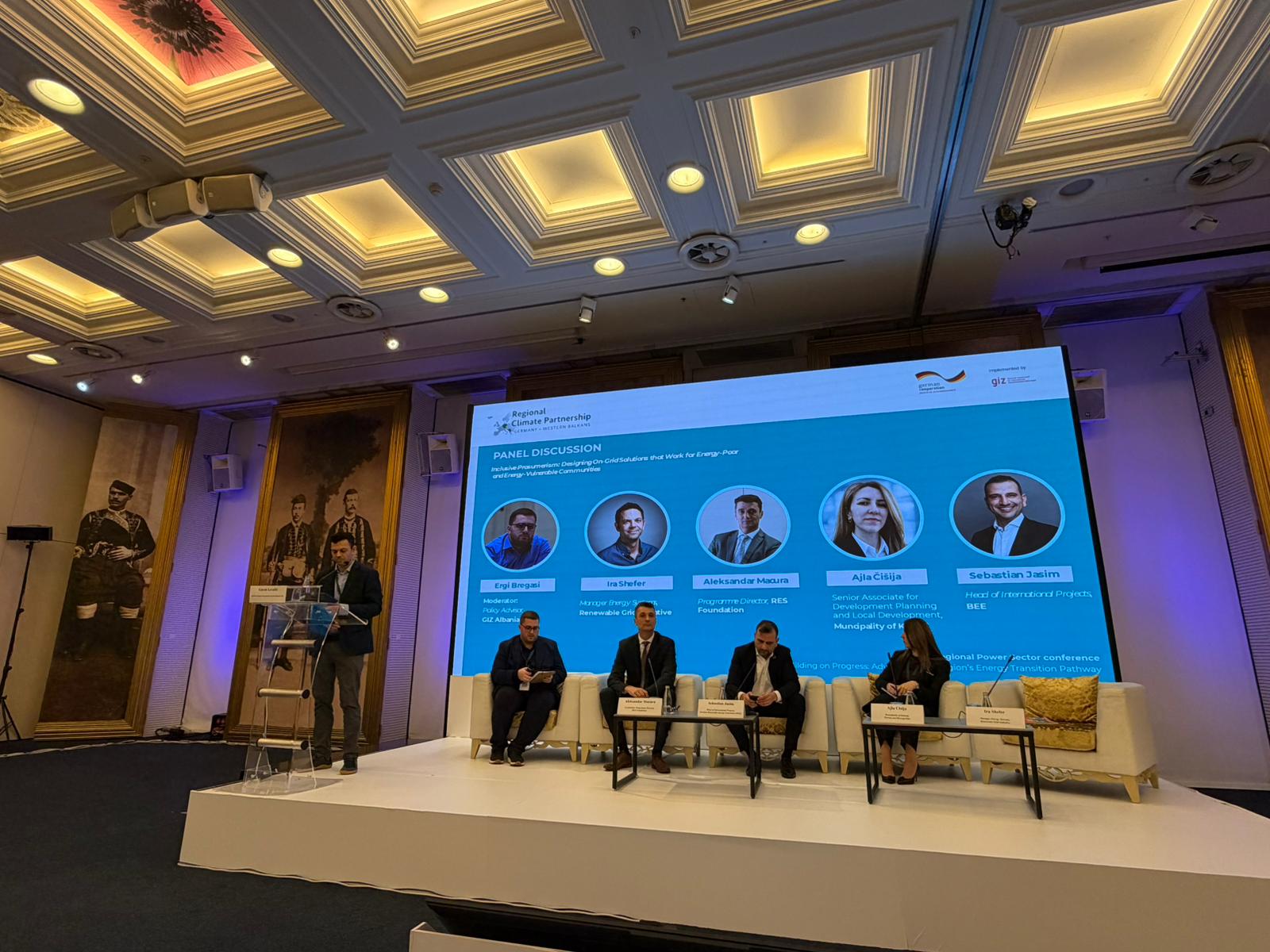
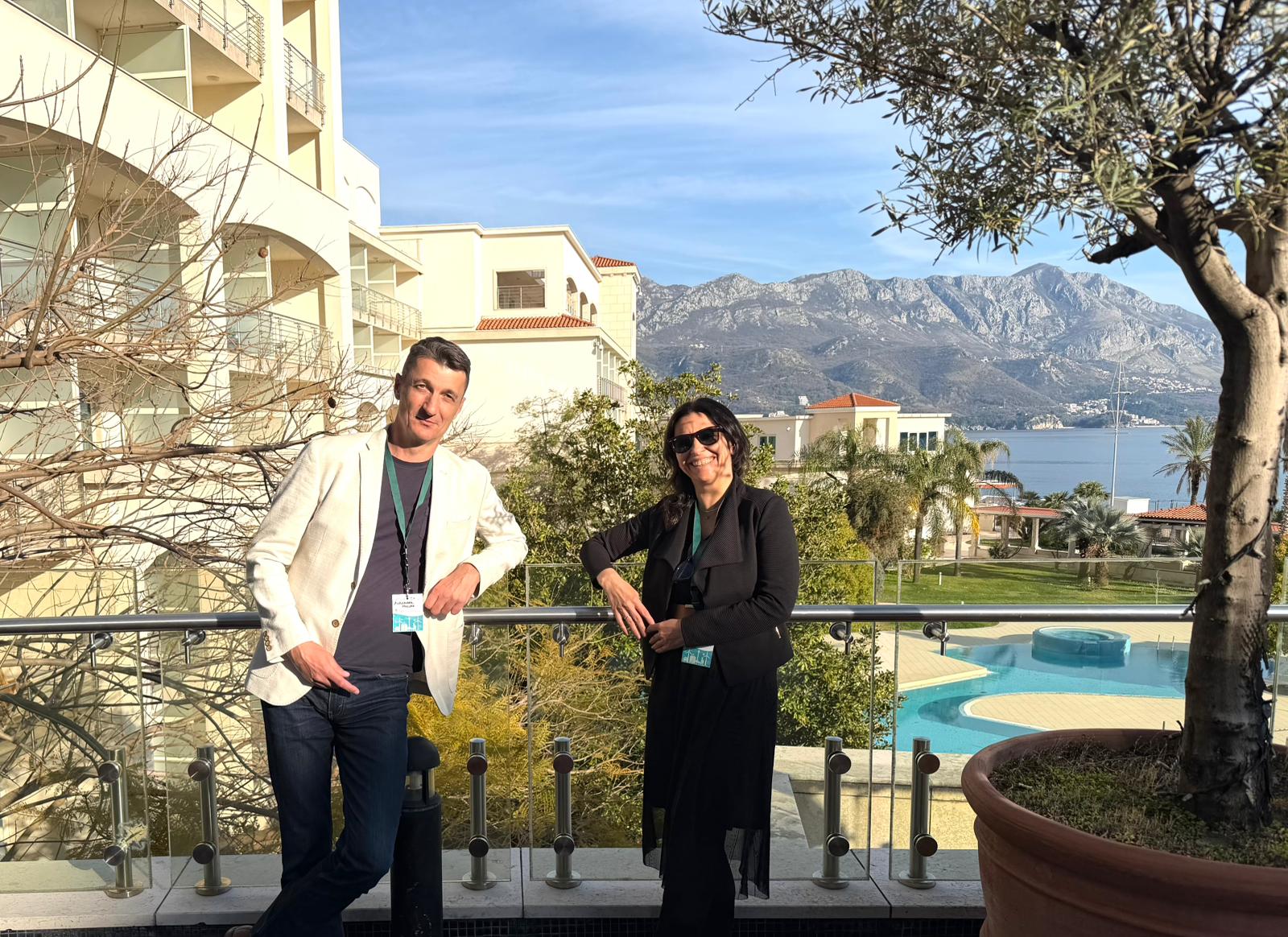
Our programme directors, Jasminka Young and Aleksandar Macura, were invited to the event, and Macura participated in panel discussion on “Inclusive Prosumerism: Designing On-Grid Solutions that Work for Energy-Poor and Energy-Vulnerable Communities”, that took place on Day 2, March 26th. Achieving purpose for the panel discussion was to identify practical pathways for expanding participation opportunities in the electricity sector, particularly through prosumer models, so that energy-poor and vulnerable households can actively engage in and benefit from the energy transition.
The discussion brought together perspectives from different electricity sector and grids actors from the region and Germany, to reflect on barriers, enabling conditions, and country-specific approaches for developing inclusive participation opportunities in the region.
In his contribution to the panel, Macura emphasised that the greatest opportunity for inclusive prosumerism lies at the lowest voltage level, where roughly two thirds of electricity in the Western Balkans is consumed and where most electricity is used under roofs that could potentially host solar generation. He noted that the main barriers are structural rather than technical: the region still lacks a clear vision for the development of distributed energy, particularly citizen energy, as well as robust public policy processes through which opportunities to increase public value can be identified, assessed, and translated into effective measures. Until these conditions improve, progress will continue to depend on building coalitions that can advance local initiatives and prevent veto actors from obstructing solar development.
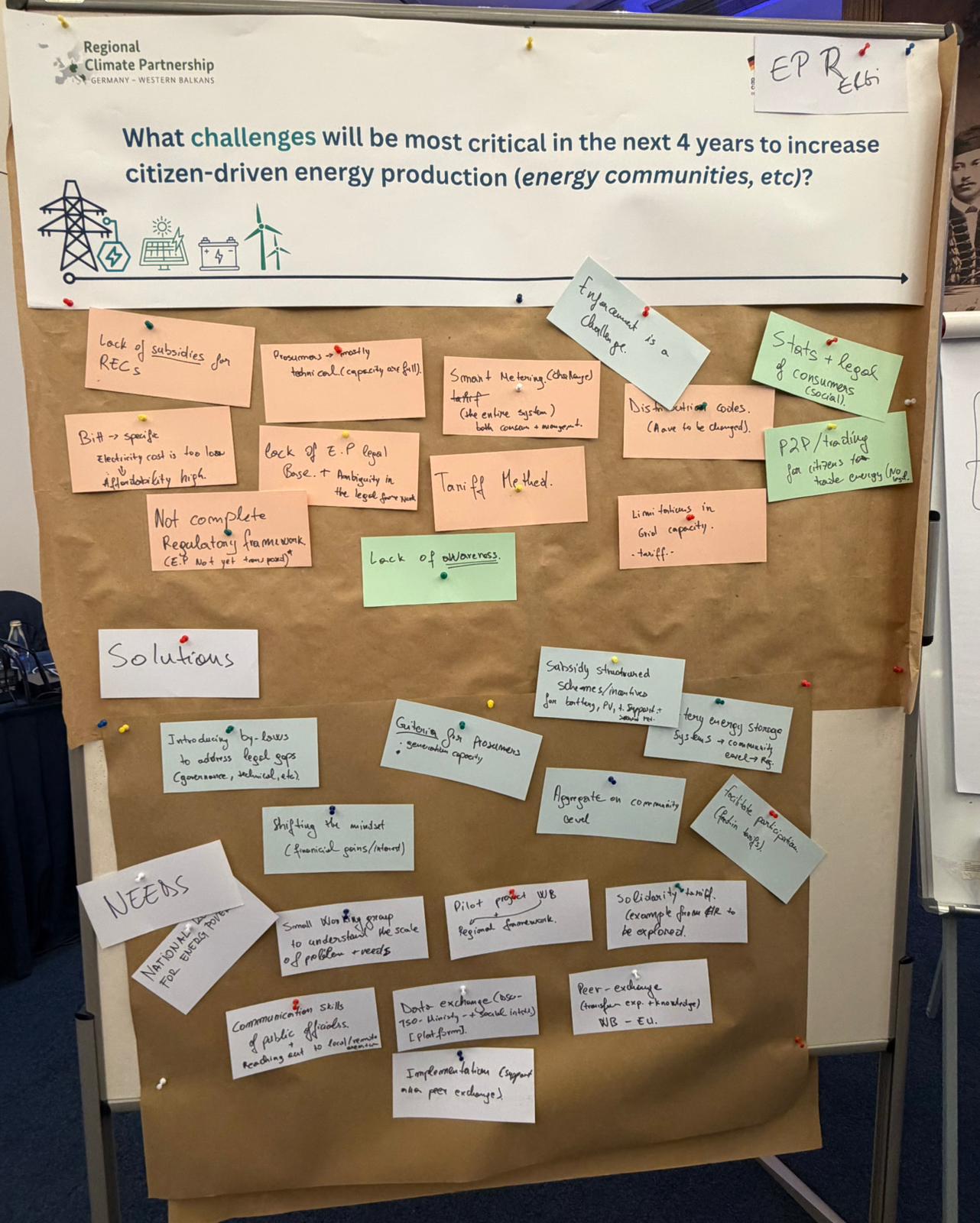
The work continues, with partner priorities now clearly identified. A new round of onsite projects will build directly on these needs, translating them into concrete actions.
Photo gallery (credits: RES Foundation):