Today, citizen energy is no longer just an idea, but a concept that is already actively developing. Through greater transparency, stronger institutional support and public policies that are focused on the needs of citizens, decentralized energy production can contribute to the creation of a more just, more accessible and more sustainable energy system.
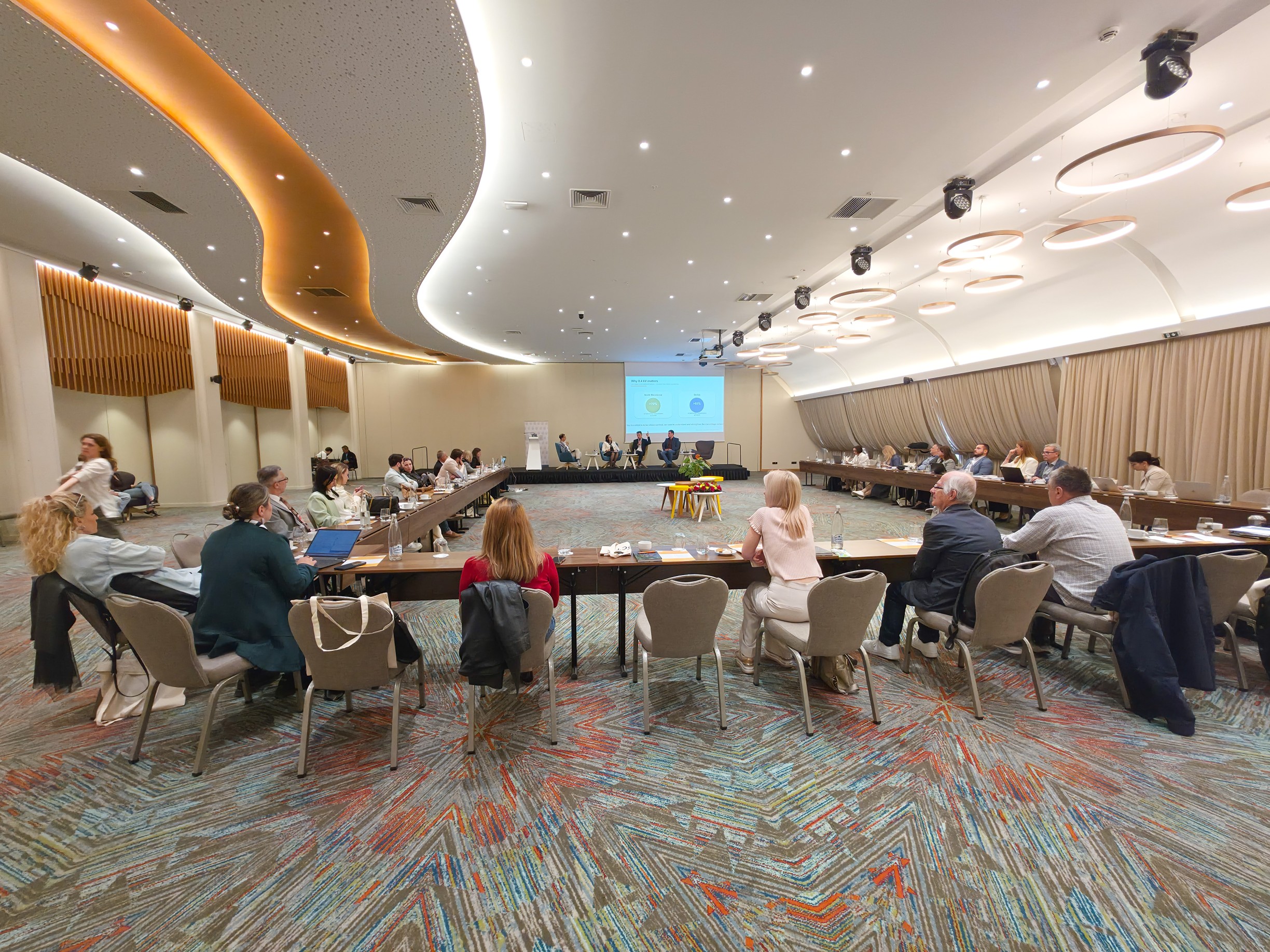
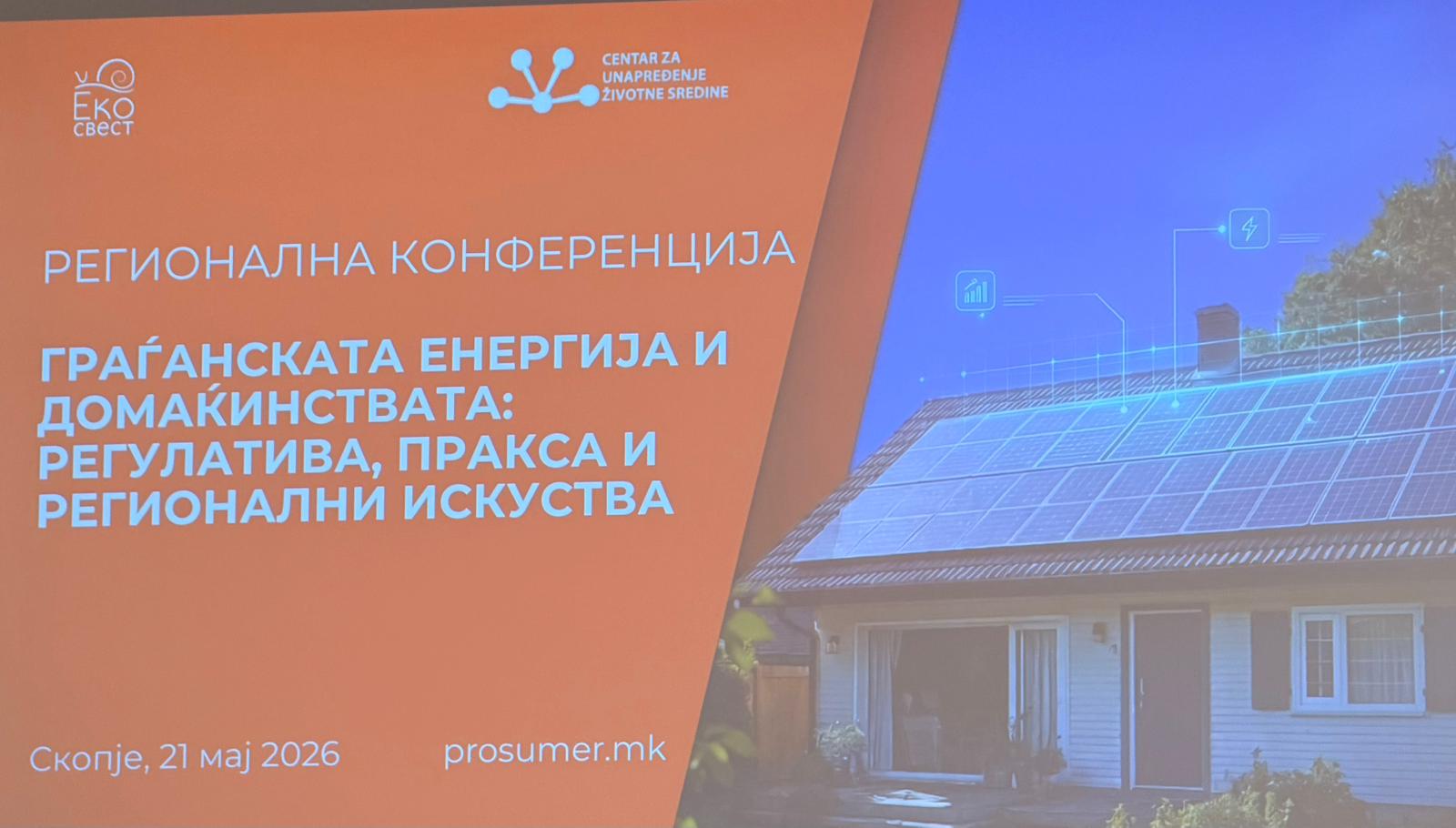
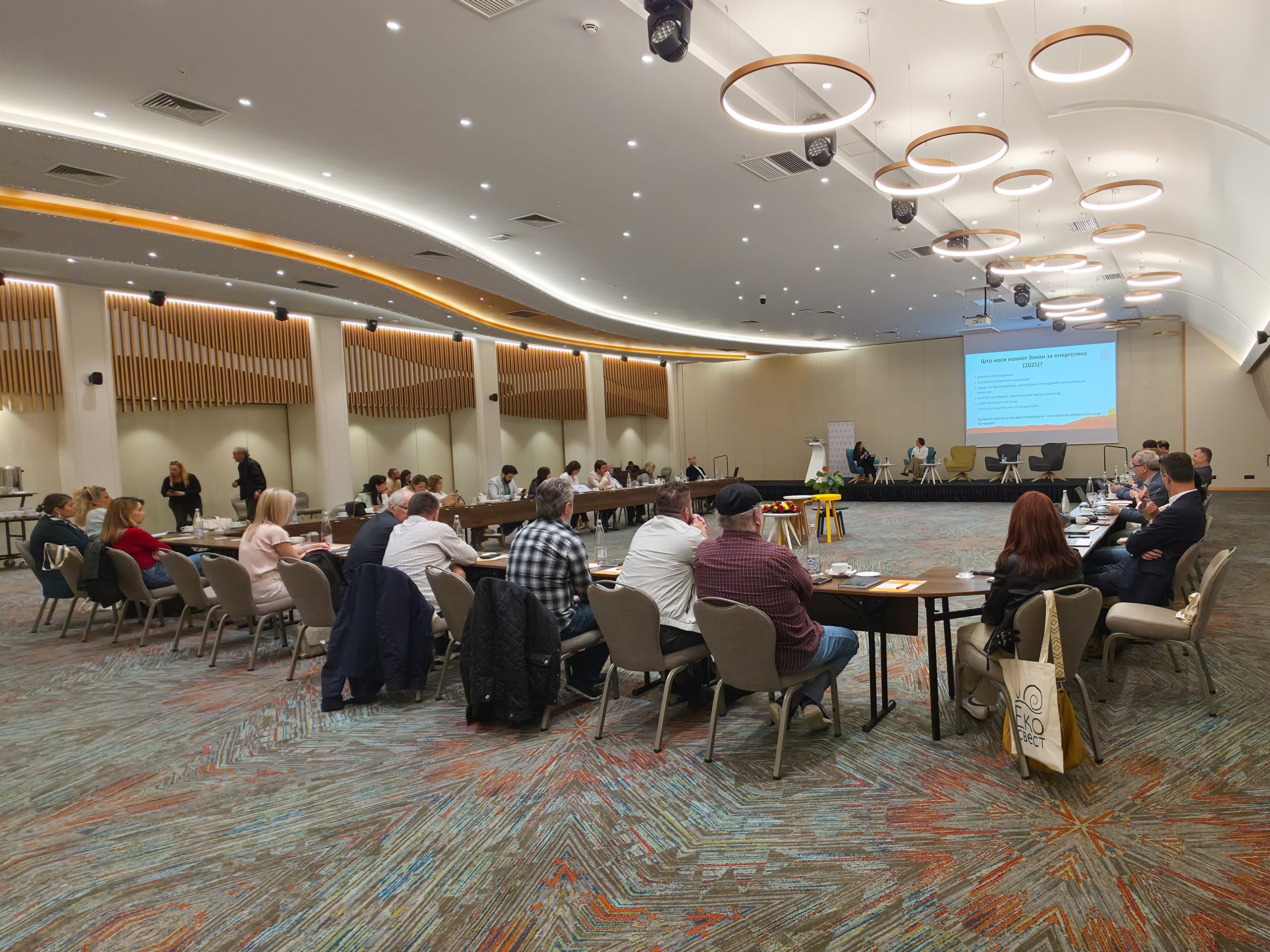
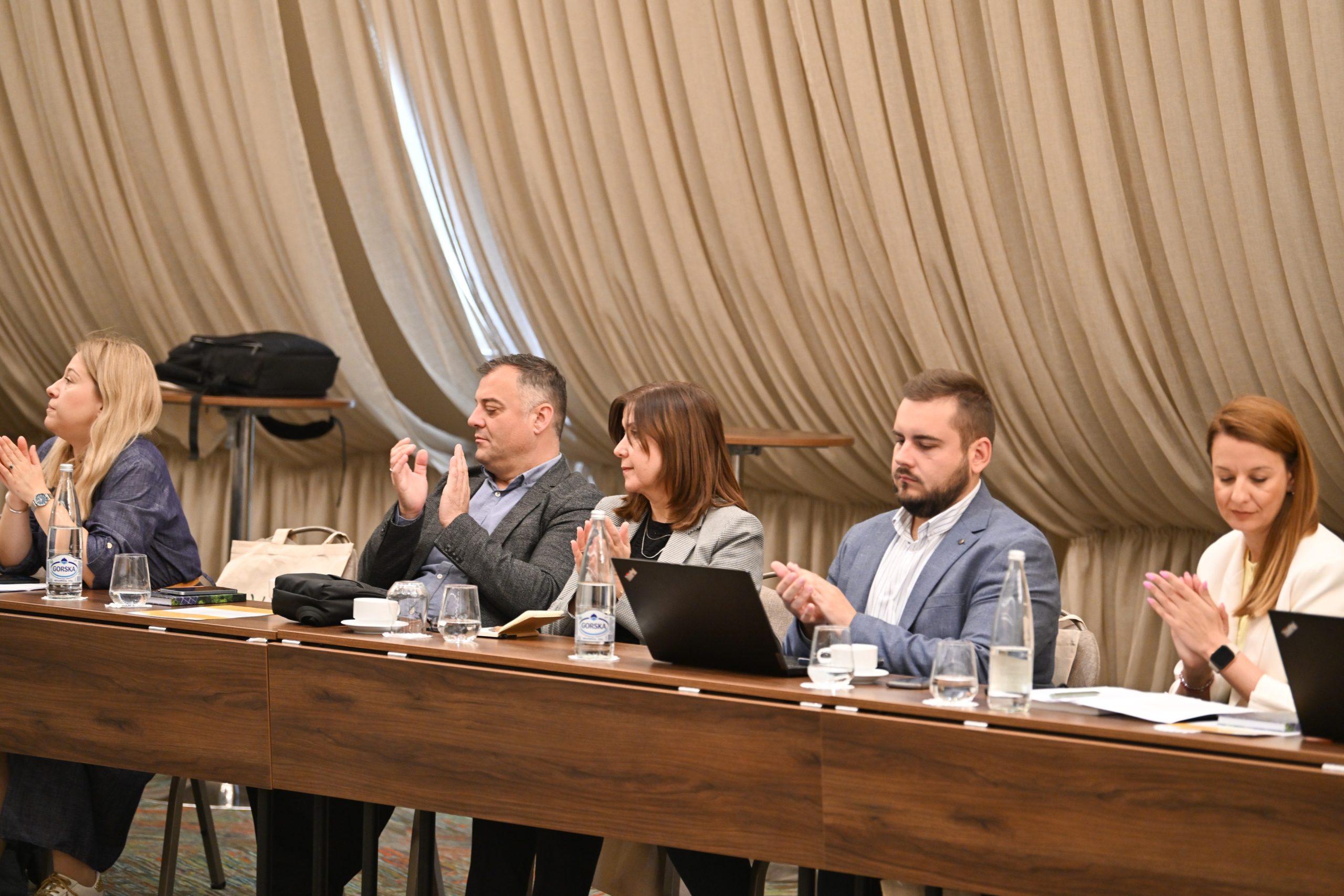
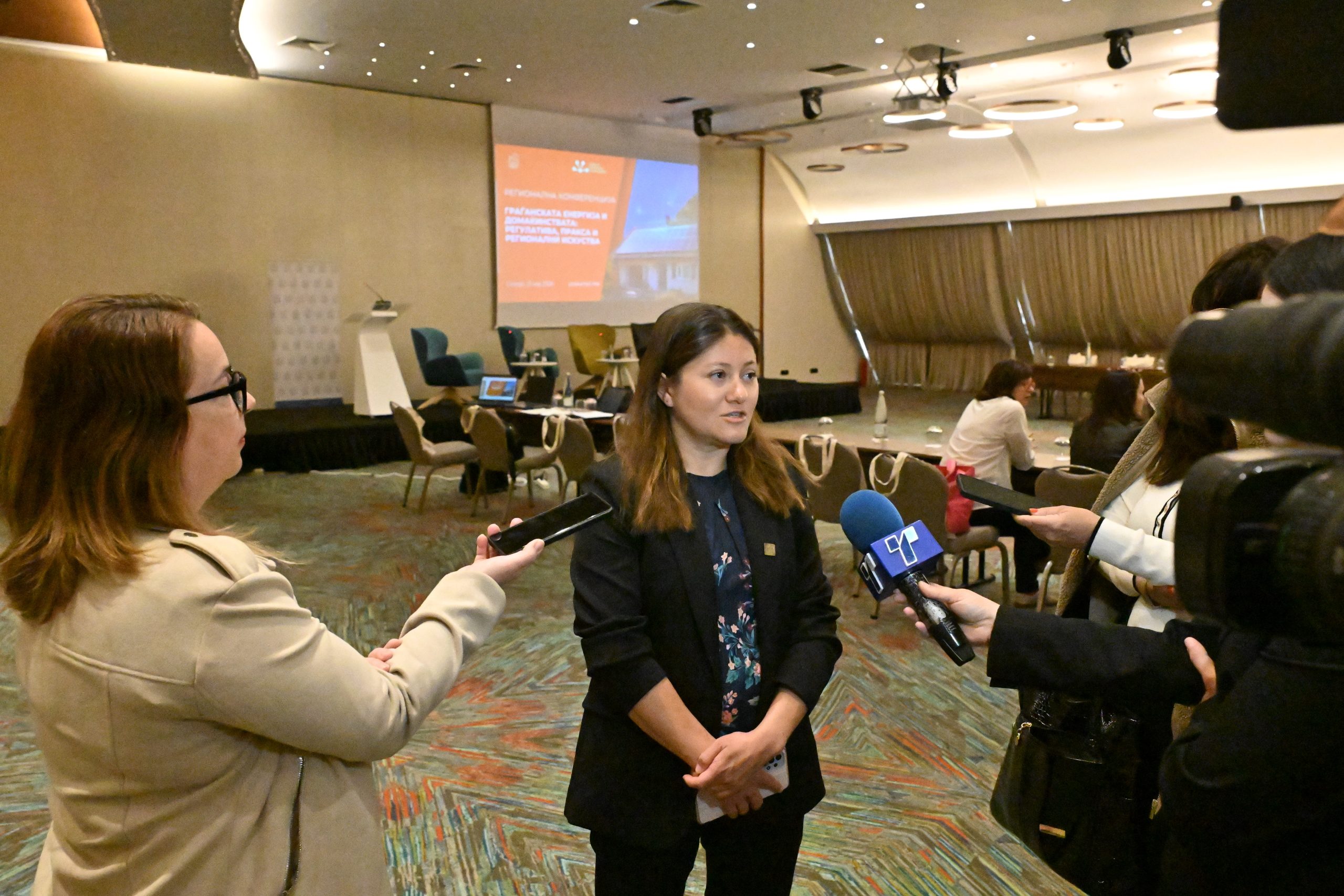
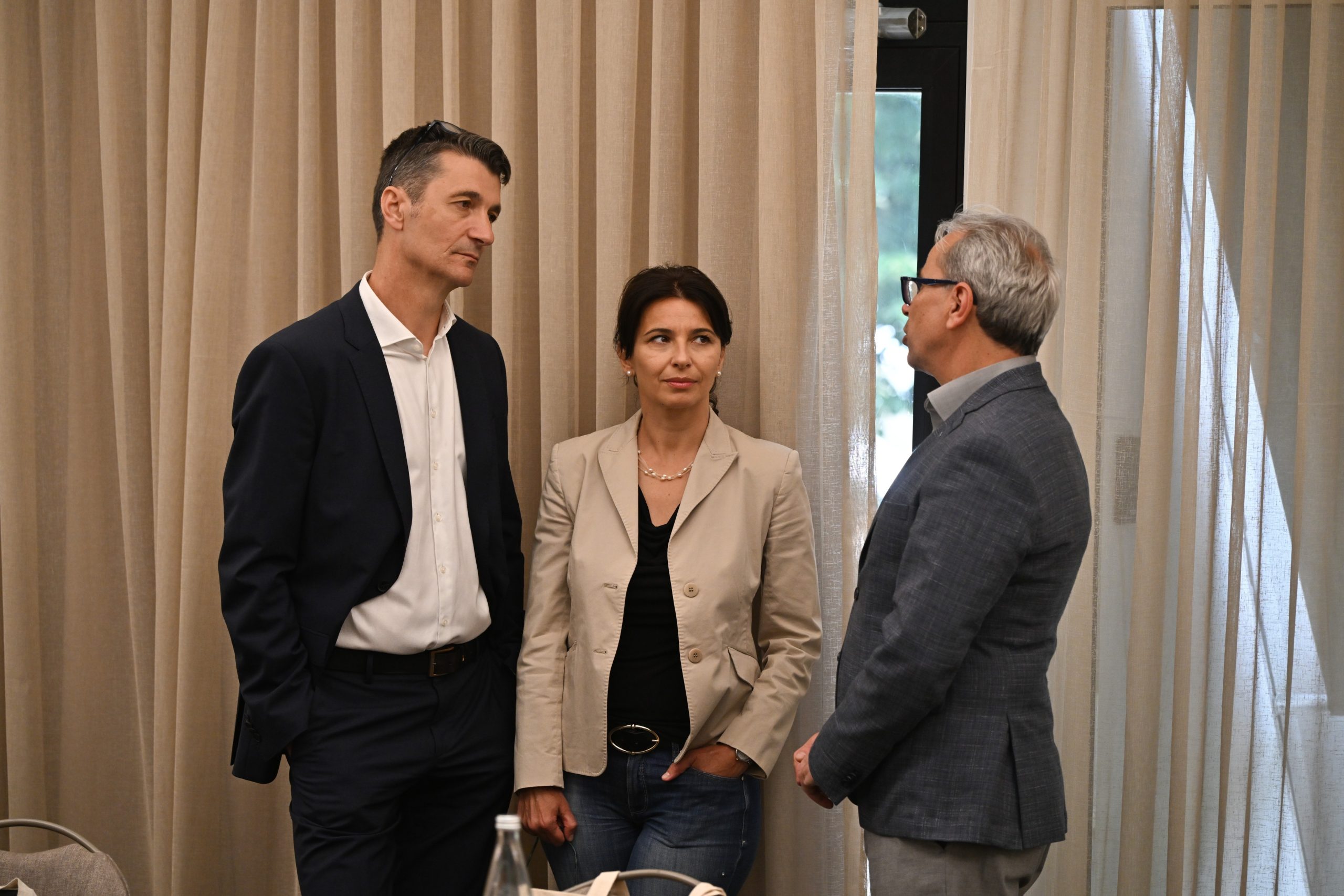
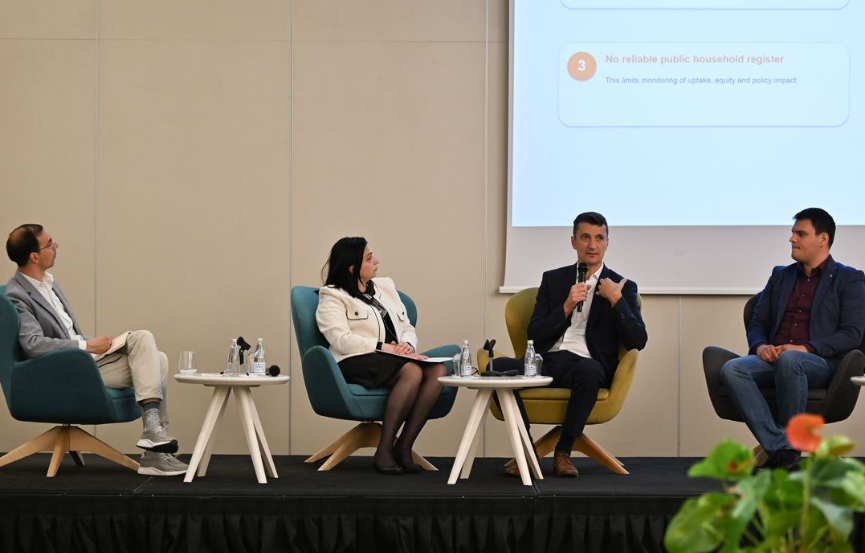
These issues were discussed at the regional conference “Citizen Energy: Regulation, Practices and Experiences from the Region”, held in Skopje, organized by Eko-Svest and Environment Improvement Center. The event was attended by representatives of institutions, local governments, the civil sector and experts from Serbia and North Macedonia.
The main topic of the conference was the improvement of the conditions that would enable households and communities to produce electricity from renewable sources for their own needs. The participants exchanged experiences and examples of good practice, especially in the areas of administrative procedures, access to the power grid, financial support and development of energy communities.
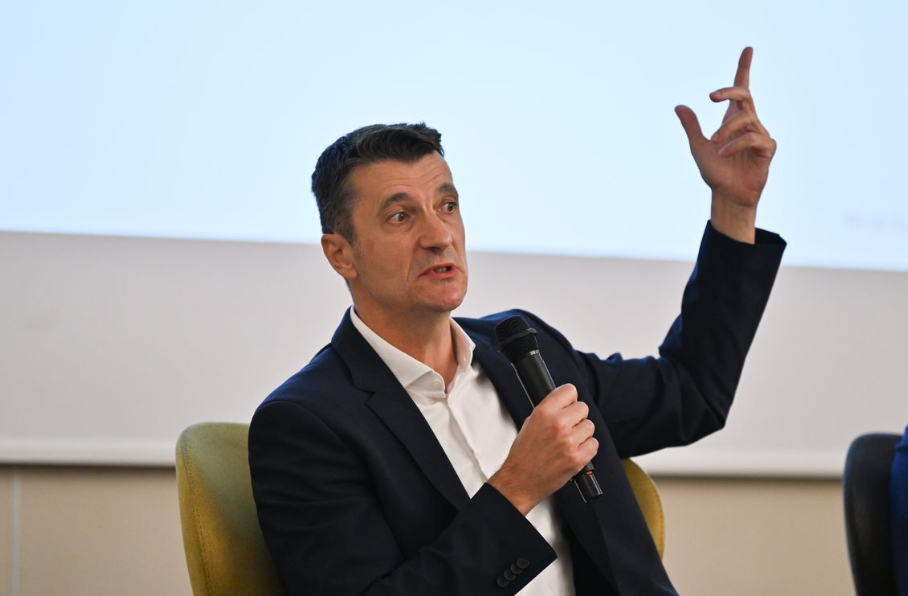
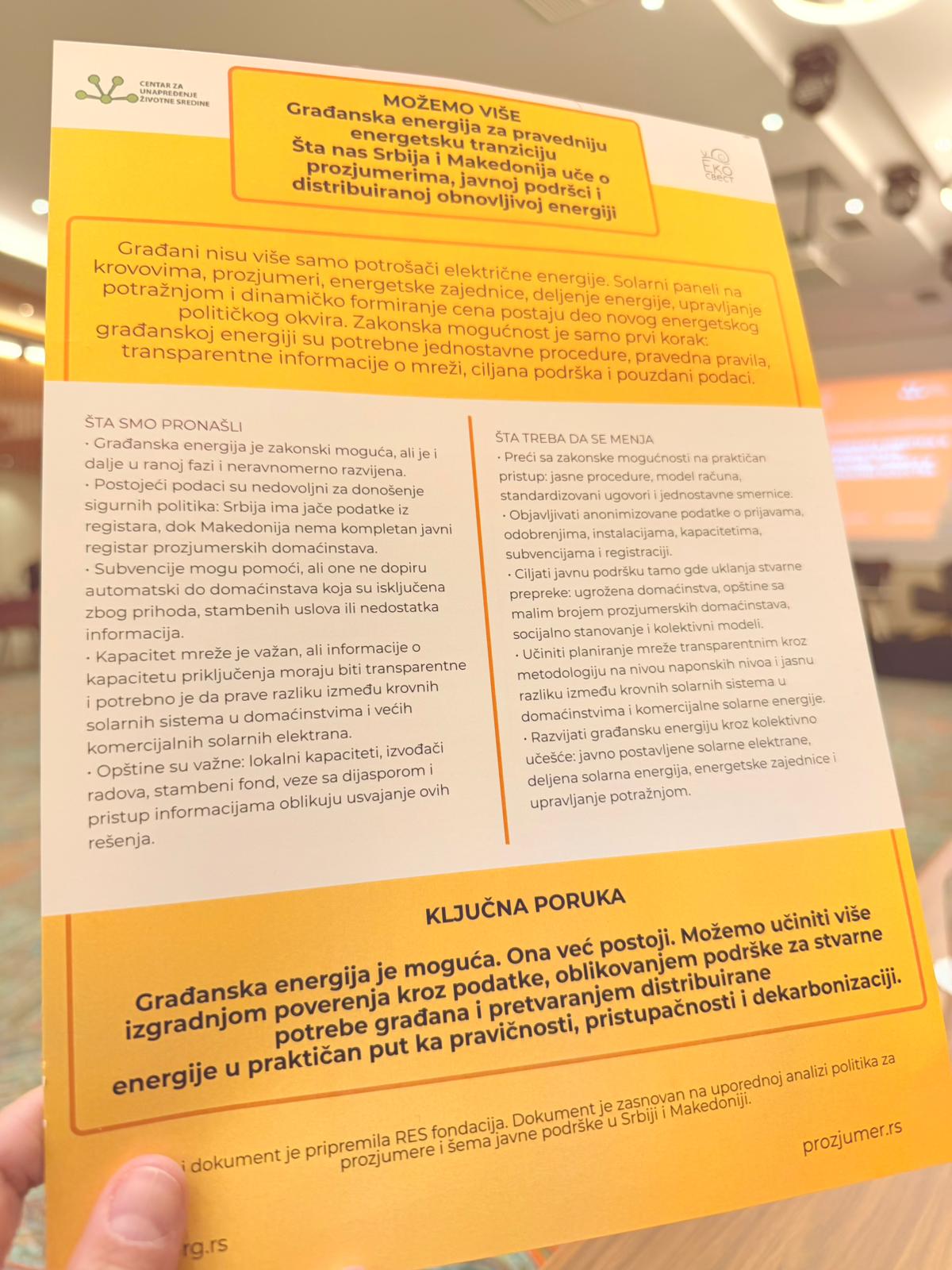
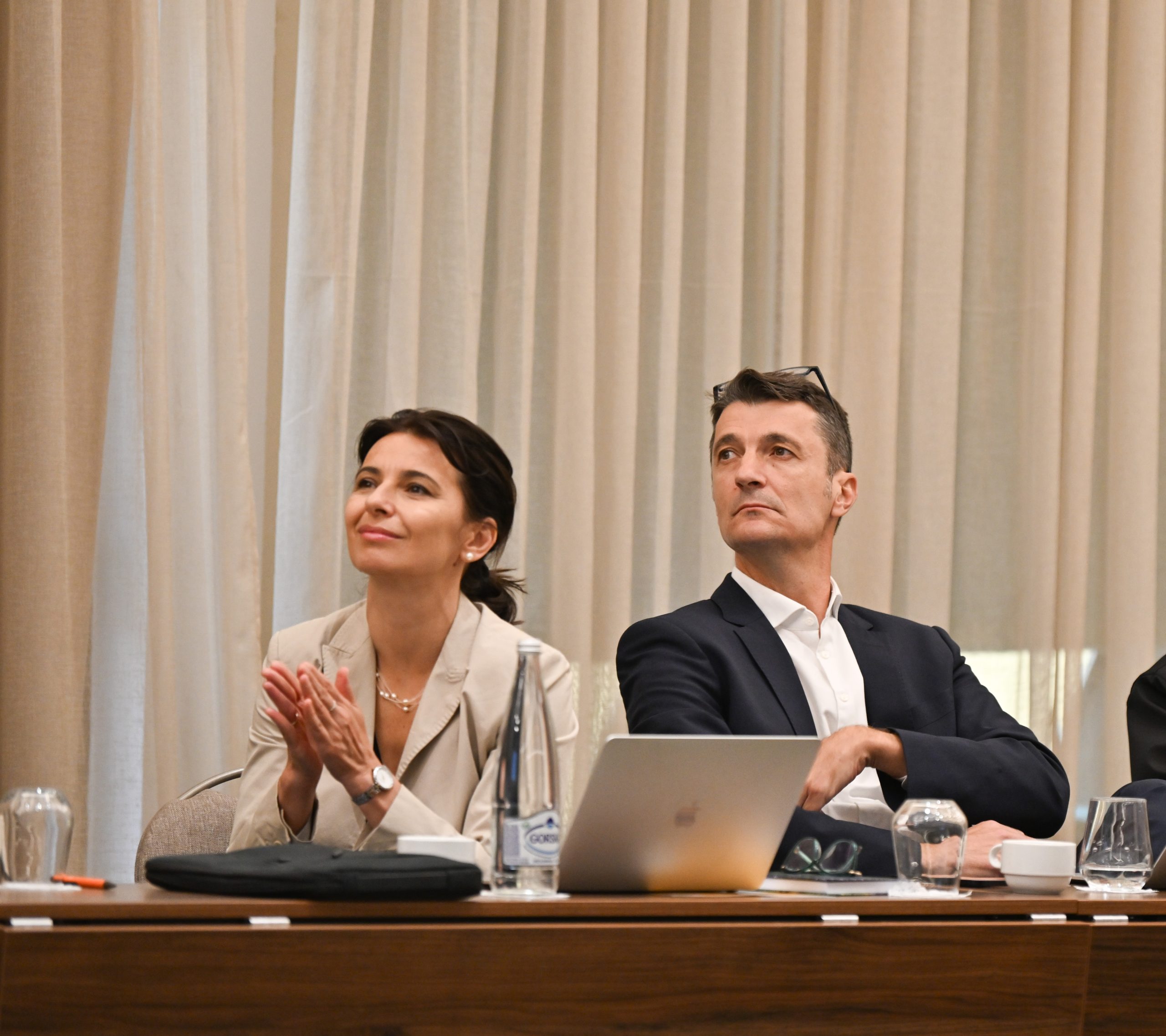
On behalf of RES Foundation in Skopje were our programme directors, Jasminka Young and Aleksandar Macura. Macura stated that energy for citizens is possible. He sees the next step in making it measurable, understandable and accessible. If we want something a little more concrete, we can take the logic of the report’s final recommendations: The next phase of policy for prosumers in North Macedonia should move from legal enablement to evidence-based development, transparency and inclusiveness. This means differentiating prosumers in households from larger distributed solar power systems, publishing reliable data, treating network capacity with transparent technical methods, clearer calculation of financial return and support for those households that cannot independently finance their own rooftop photovoltaic systems.
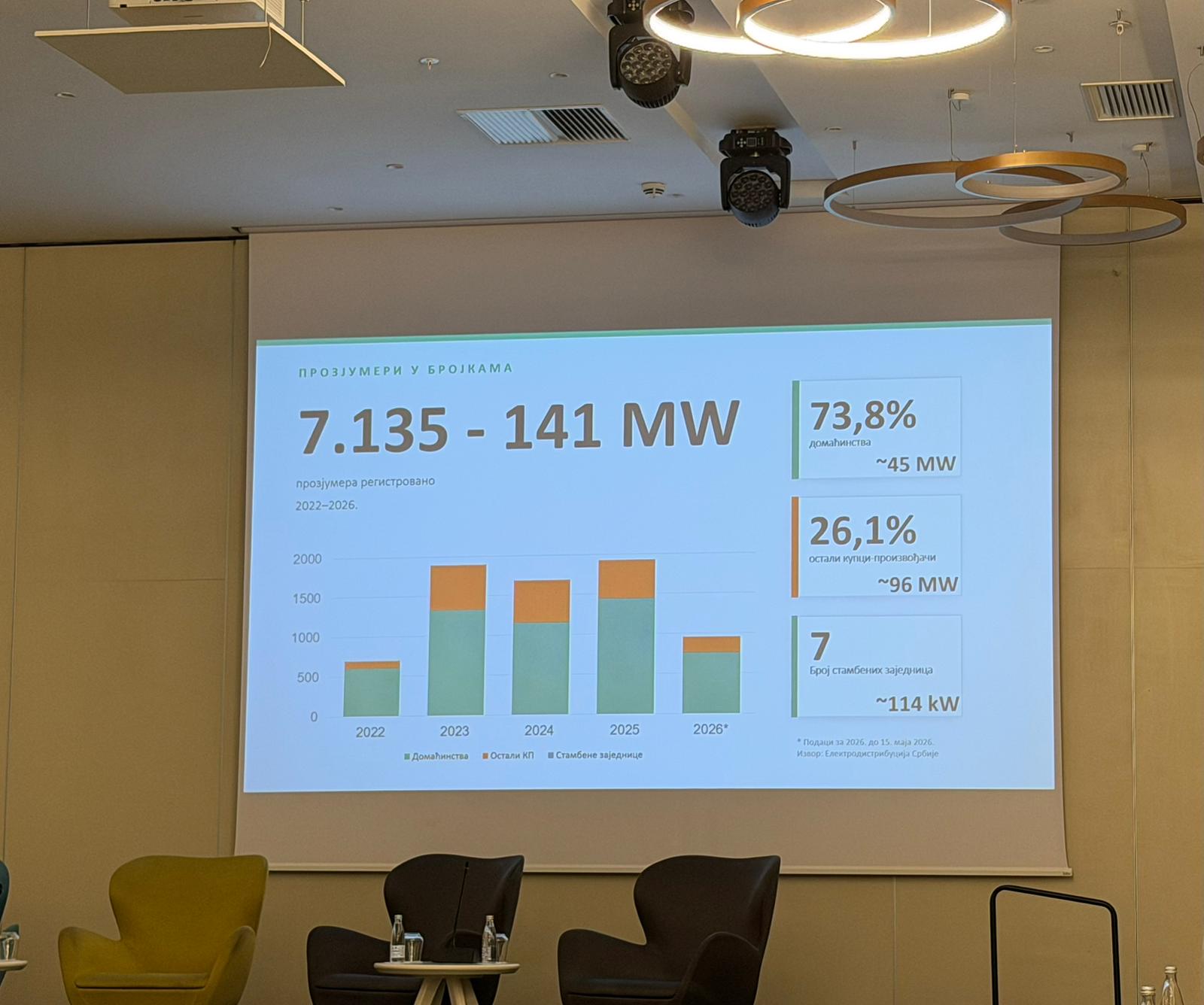
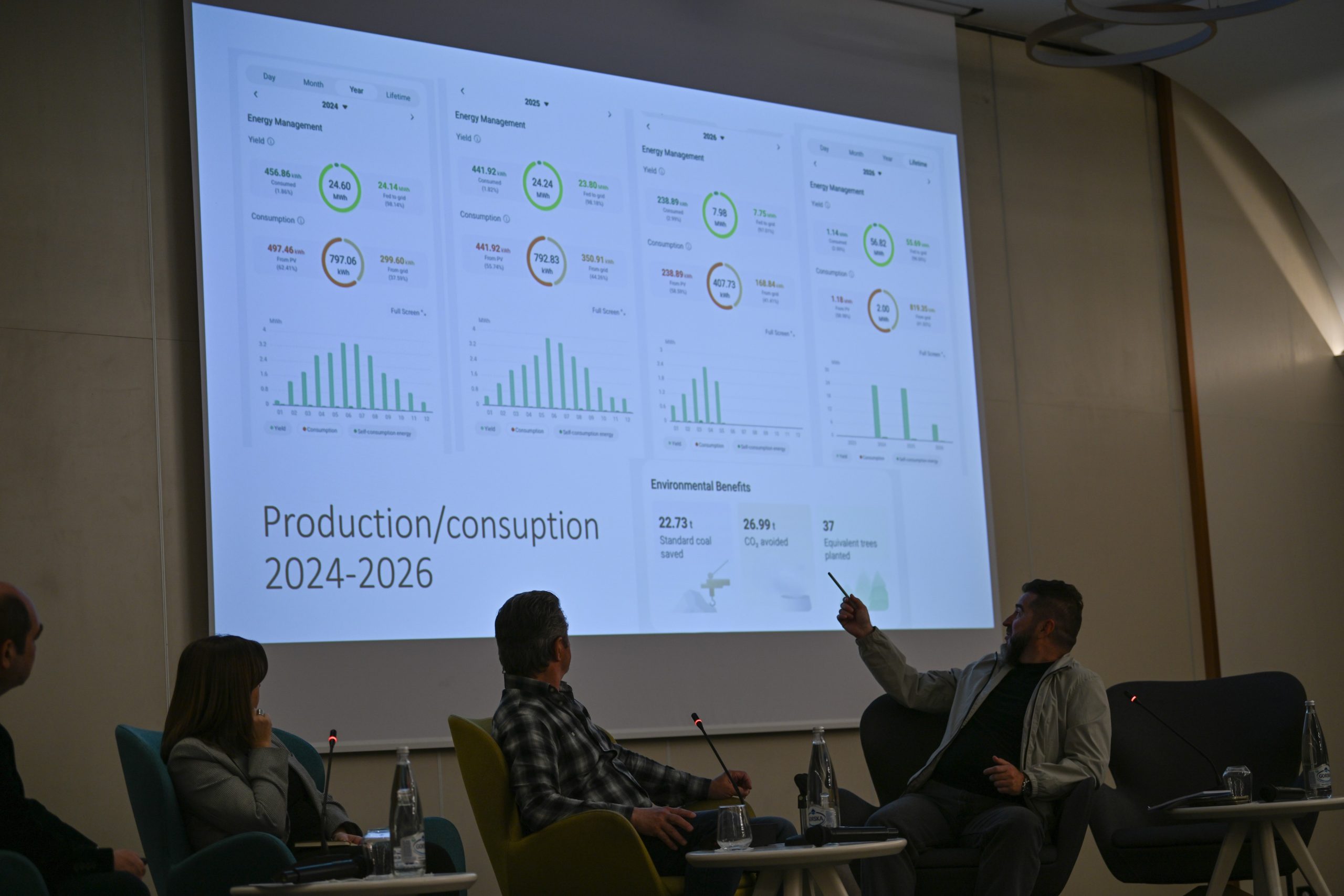
The presented research results showed that citizens’ interest in solar power systems is growing, but there are significant obstacles such as high initial investments, complicated bureaucracy and insufficient information.
At the conference, it was emphasized that the energy transition cannot be successful if citizens remain passive observers. It was pointed out that they must have an active role in the process of change and that the issue of network development is not only a technical, but also a political issue that determines how much space will be left for citizen energy.
Special focus was on the importance of prosumerism and energy communities as important elements of a just energy transition. The participants estimated that for their faster development, clearer regulations, better cooperation of institutions and greater involvement of citizens are necessary. It was also pointed out that the current Law on Energy in Serbia, despite its alignment with European directives, still does not provide concrete new opportunities for citizens to jointly produce electricity, because the necessary by-laws are missing.
The conclusion of the conference was that without the active participation of citizens, it is not possible to implement a successful energy transformation, and that energy communities and active consumers should become an important part of the future development of the energy system in the region.
Photo gallery (authors: Nebojša Gelevski – Bane / Eko-Svest and Jasminka Young):