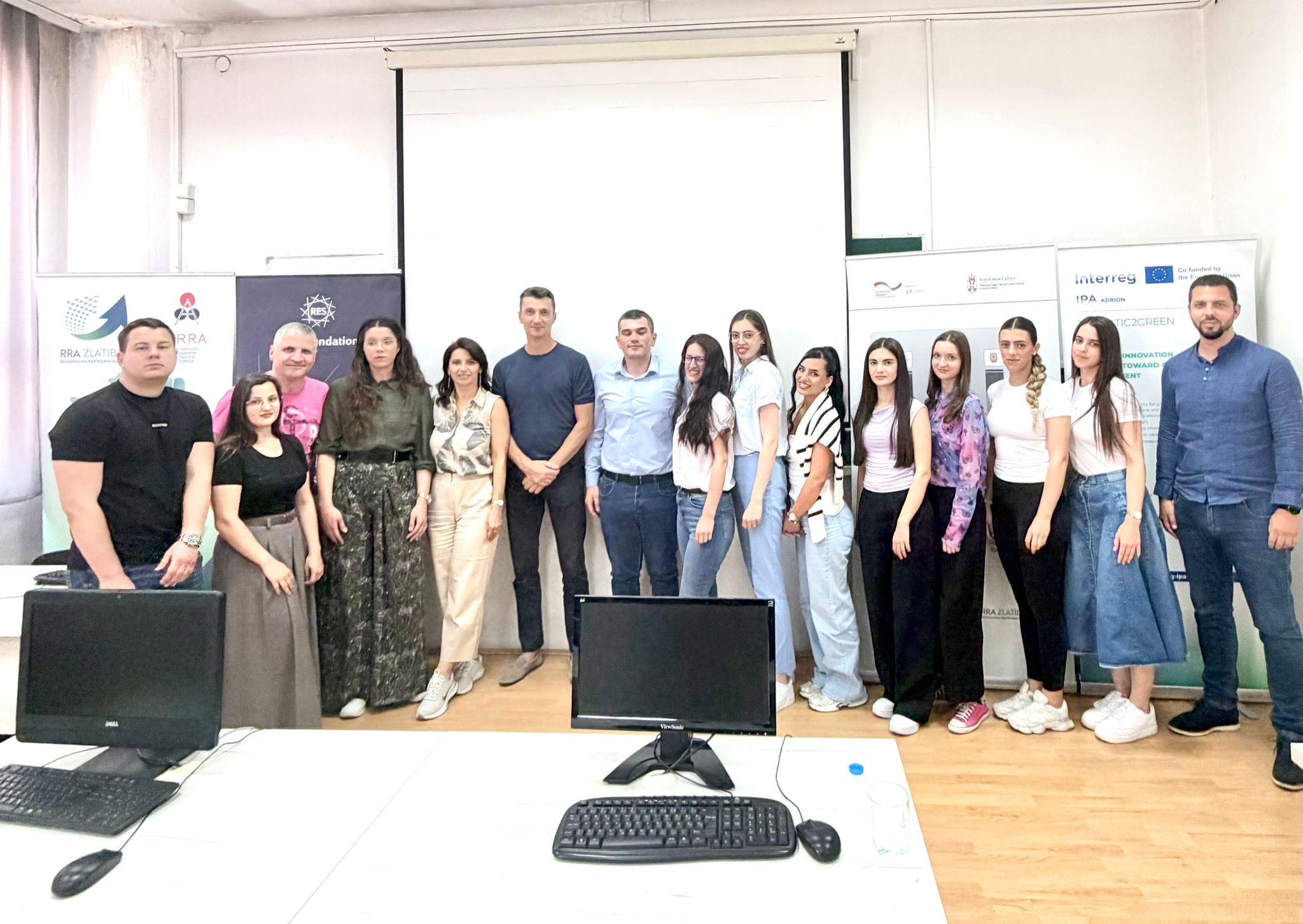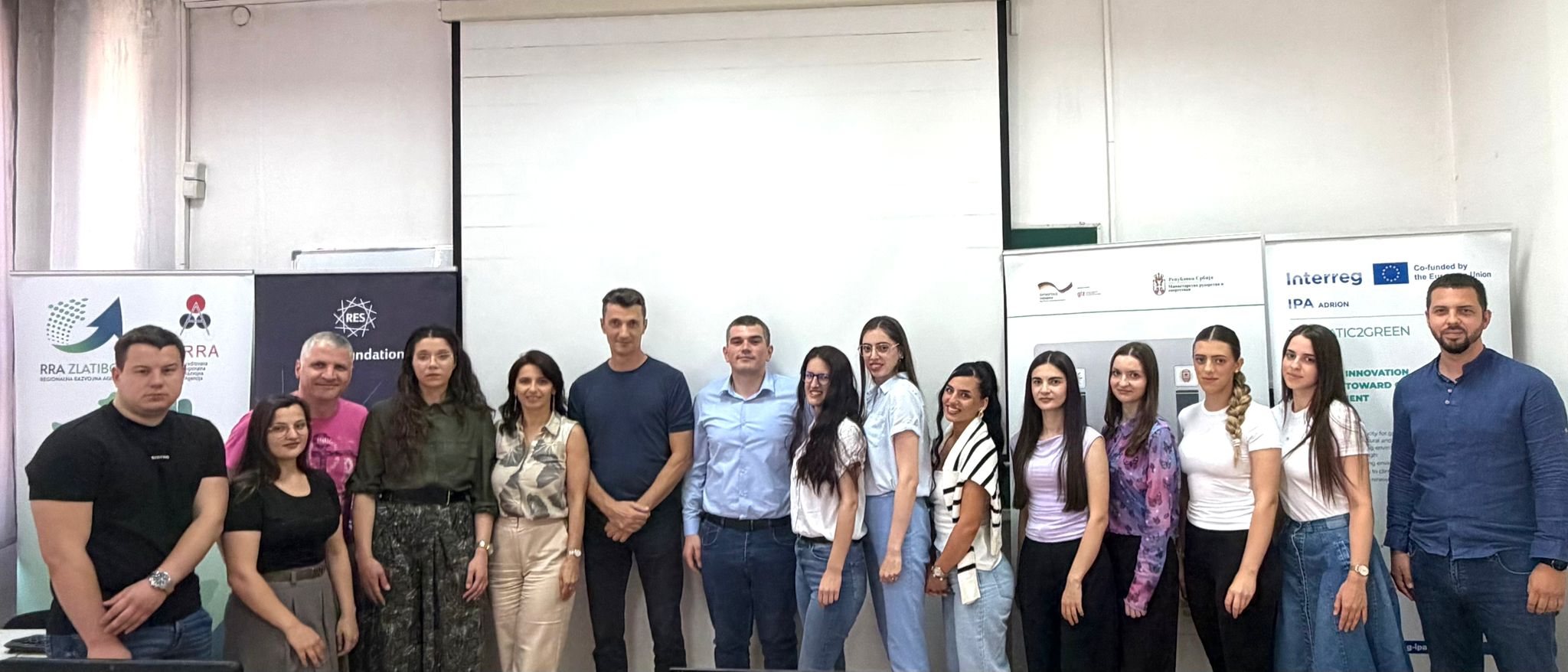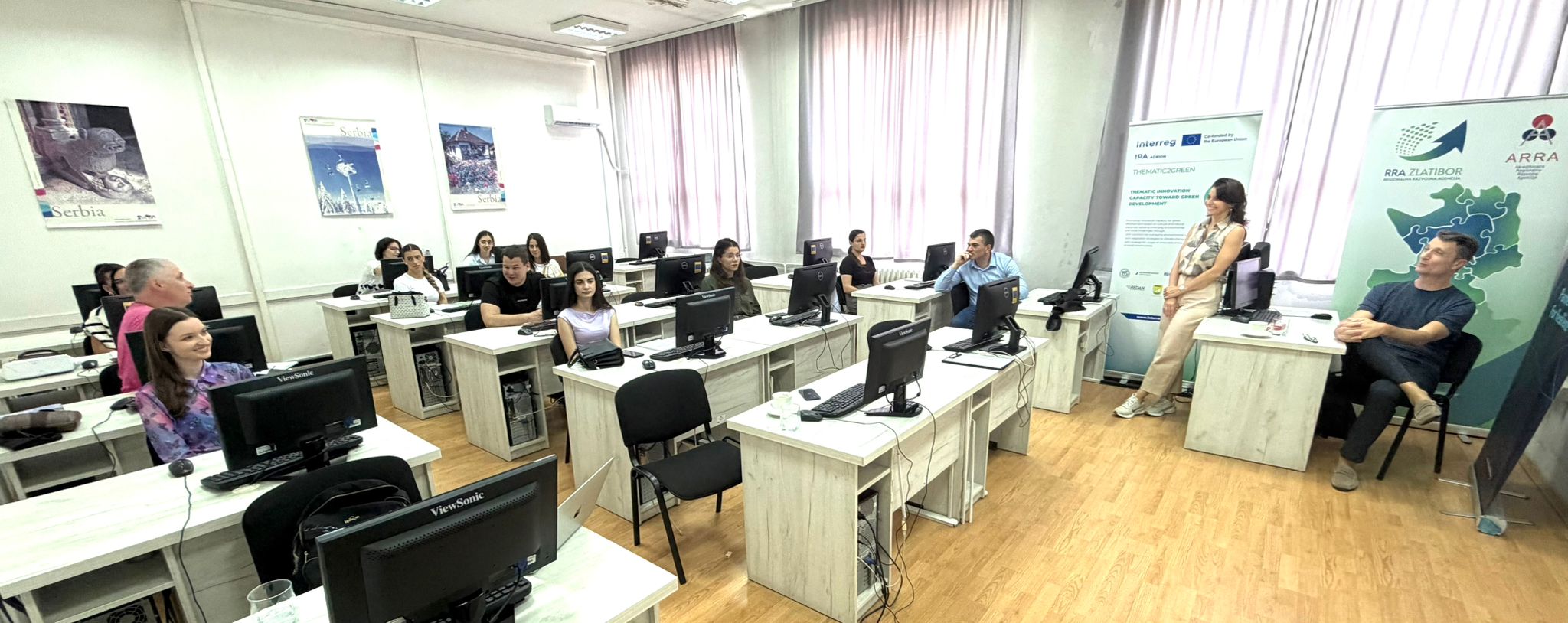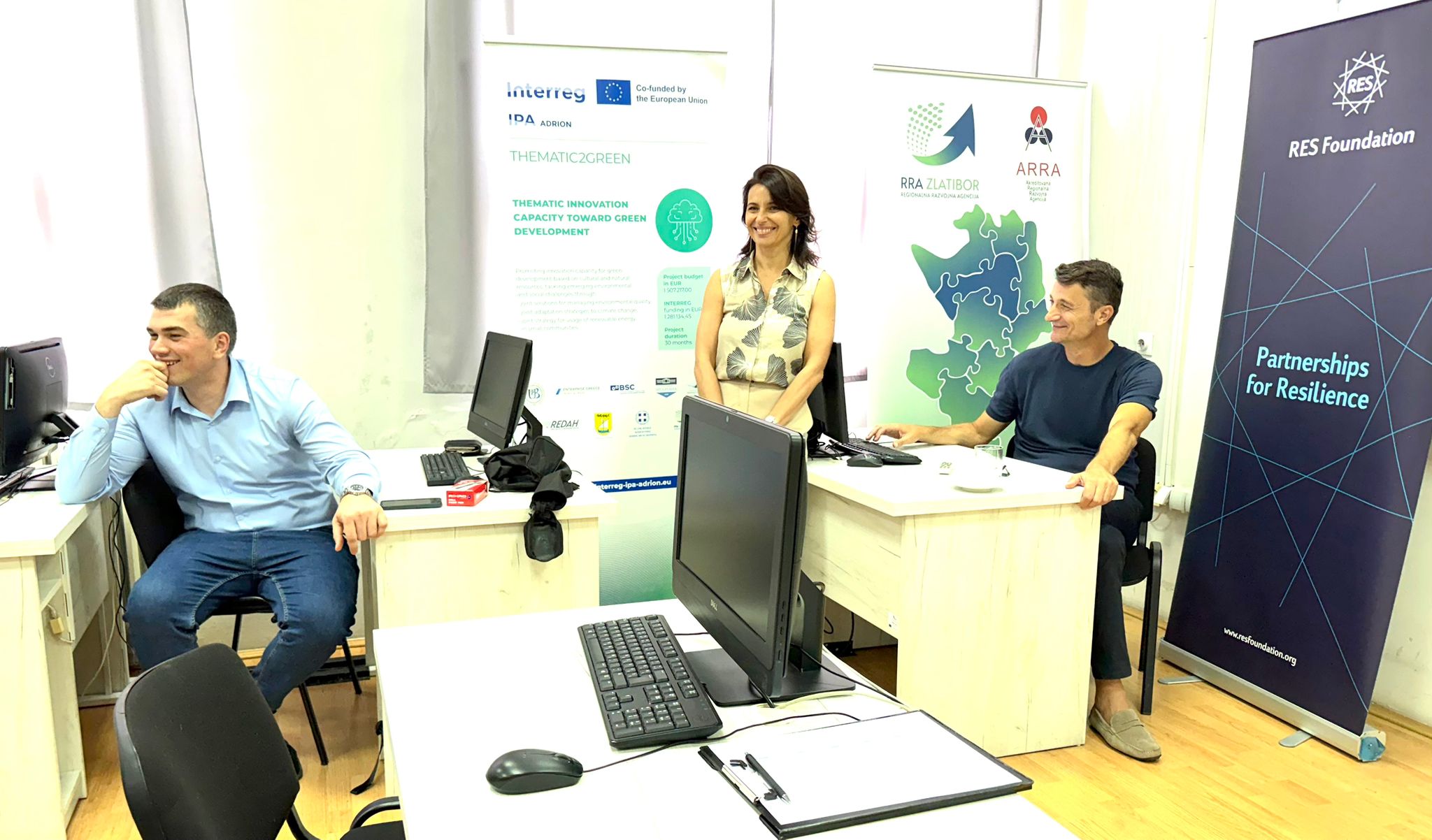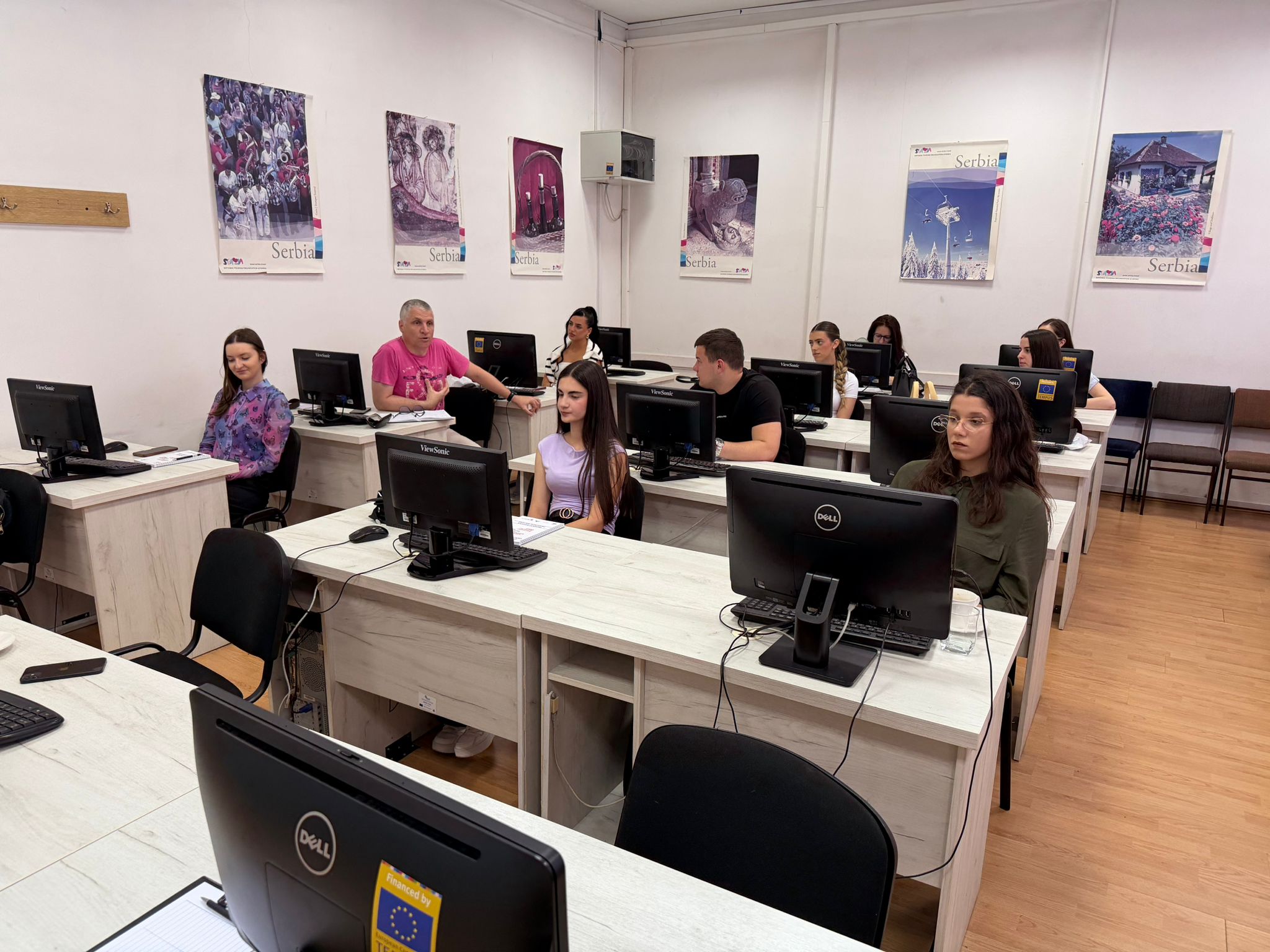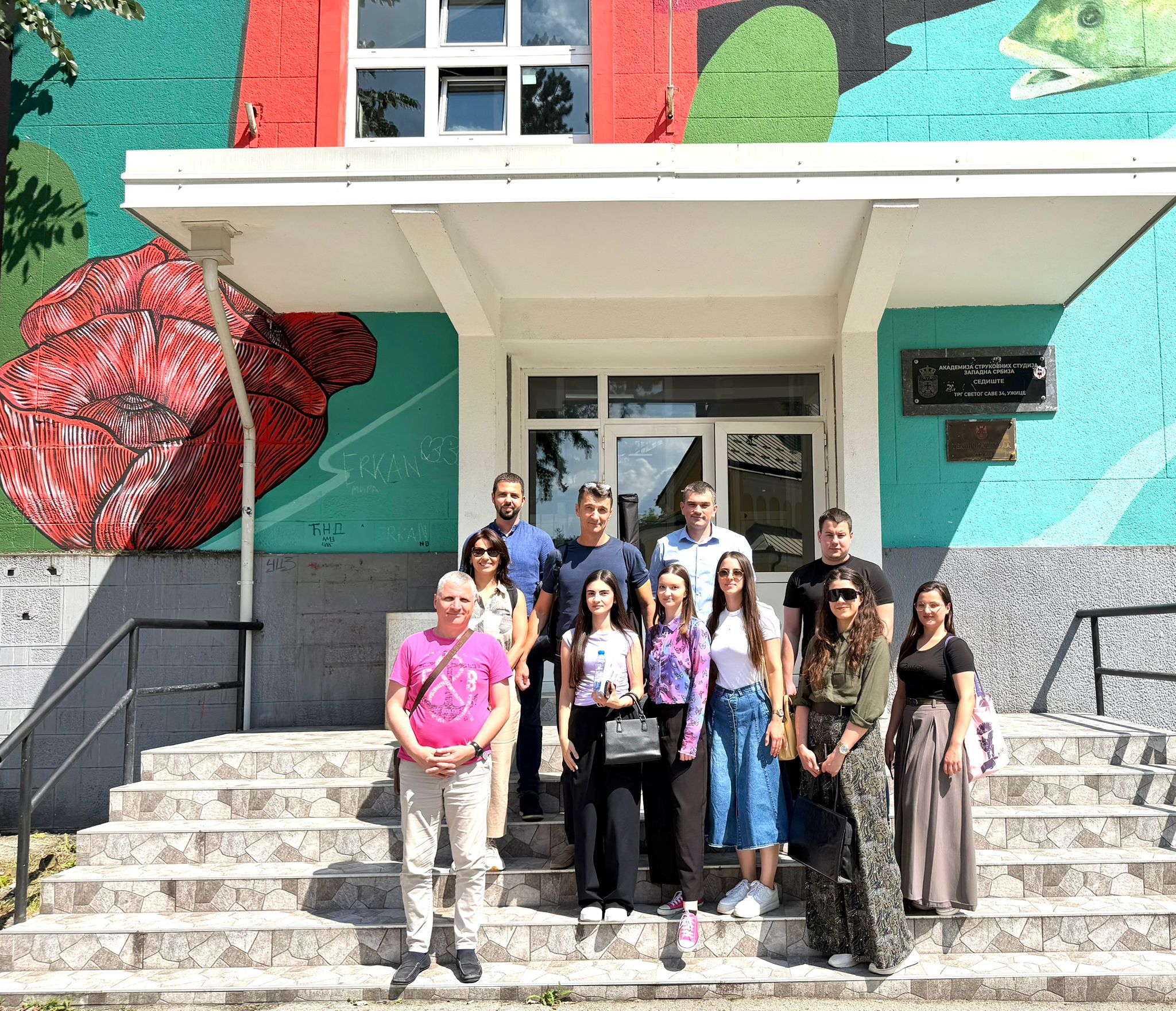
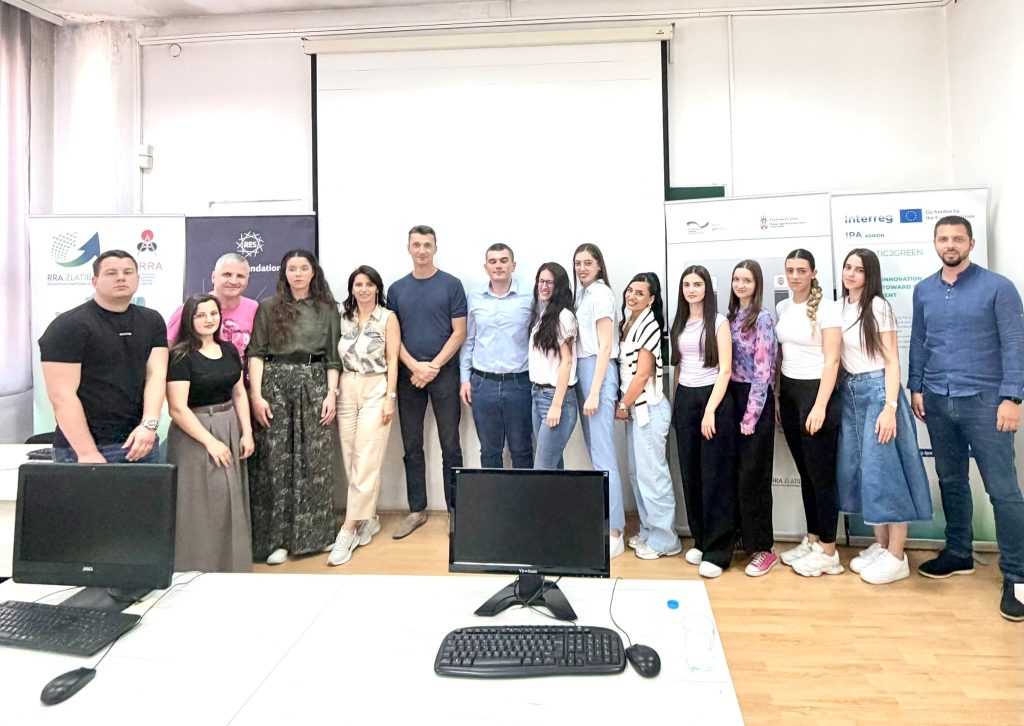
RES Foundation, in cooperation with the Academy of Vocational Studies Western Serbia – Department of Užice and the Regional Development Agency Zlatibor, organized and facilitated the second training for the participants of the “Agents of Good Energy” program on June 25, 2026 in Užice, which is implemented as part of the “Atlas of Good Energy” project.
The programme is intended for young people, primarily students in the final years of undergraduate and master’s studies, with the aim of bringing them closer to the area of local energy, local energy policies and the role of local self-government units in the energy transition. Through direct work on the creation of the “Atlas of Good Energy”, participants will have the opportunity to gain practical experience in working with data, better understand local energy systems and develop analytical and communication skills important for further academic and professional development.
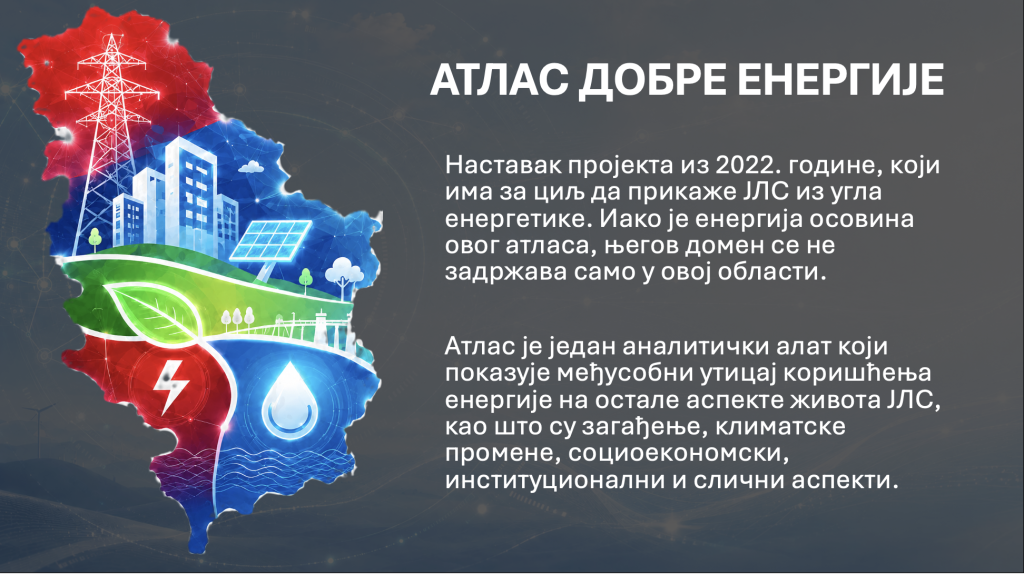
“Atlas of good energy” is being developed as an analytical tool for evaluating local self-governments from the point of view of local energy, public energy consumption, energy balances, climate risks, socioeconomic indicators and institutional capacities. Its purpose is not only to collect data, but to connect information that can contribute to a better understanding of the relationship between energy, local development, public finances, the environment and the quality of life of citizens.
During the training in Užice, the participants were introduced to the “Atlas of Good Energy” methodology, the basics of local energy balance analysis, methods of collecting and using publicly available data, as well as broader social, climate and economic aspects of local energy. Special attention was paid to the role of local governments in planning and implementing energy efficiency measures, managing public facilities and energy services, as well as the importance of transparency and data availability.
The second training was of particular importance because it was held in Užice, one of the cities that play an important role in understanding local energy challenges, managing public energy consumption and connecting energy policies with local development. Cooperation with the Regional Development Agency Zlatibor and the Academy of Vocational Studies in Western Serbia – Užice Department enabled the program to be brought closer to students and young people from the region who are interested in practical work in the field of energy, environmental protection, public policies and local development.
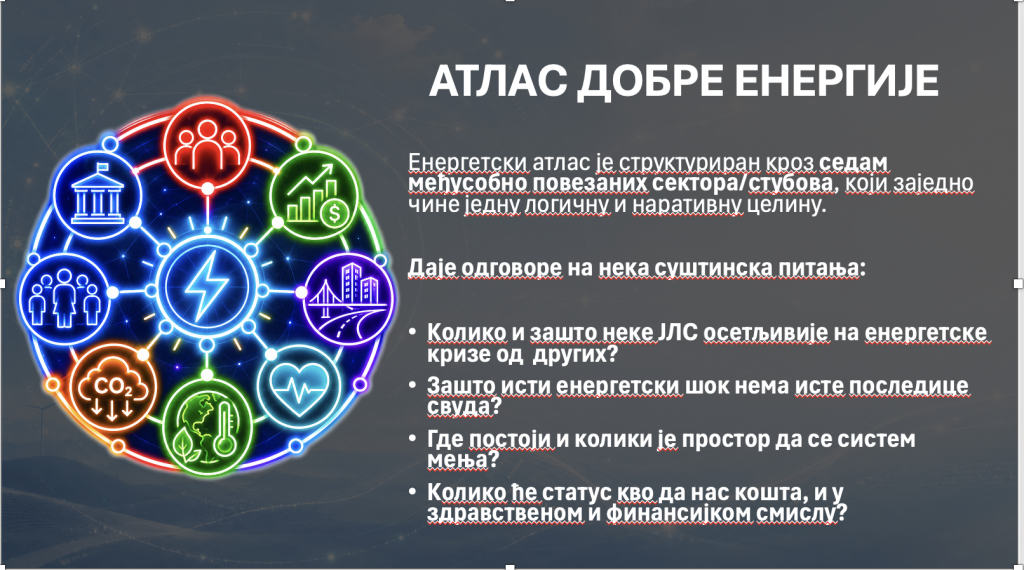
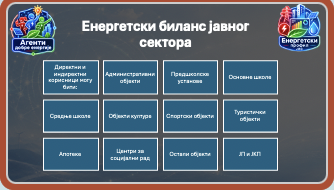
The “Agents of Good Energy” programme is designed as a combination of learning, research work and practical application of knowledge. After the introductory trainings, the participants, with the mentoring and methodological support of RES Foundation, will work in teams to create local energy profiles of selected cities and municipalities. These profiles will include an analysis of energy consumption in the public sector, costs of energy services, greenhouse gas emissions, institutional readiness of local governments, as well as activities related to energy efficiency and environmental protection.
Through this process, students will have the opportunity to become familiar with the specific challenges that local governments face in the energy transition, but also with the space for improving public policies based on data. At the same time, the program seeks to encourage more active participation of young people in understanding and shaping a socially just and gender-sensitive energy transition at the local level.
By holding the second training in Užice, practical work with the new generation of Agents of Good Energy continued. Their contribution will be important for the further development of the “Atlas of Good Energy” as a tool that can help local communities, researchers, decision makers and citizens to better understand how energy is used, how much it costs and how it affects local development, public budgets, health, the environment and social equity.
The results of the participants’ work will be presented in the next phase of the program, through a public presentation of local energy profiles and a conversation with students, investigative journalists and decision makers.
Check out the photos: