Author: Perun Prodanović
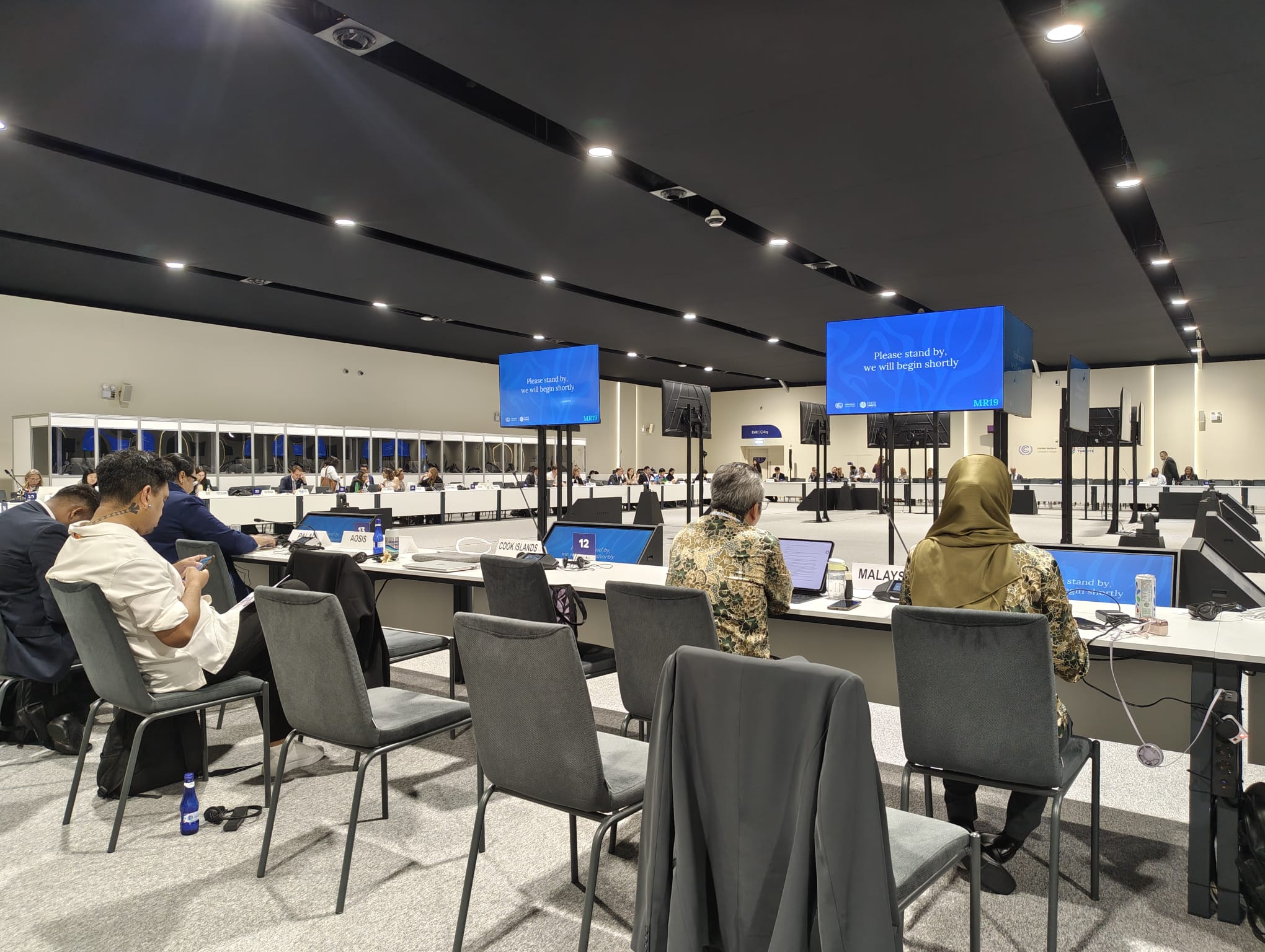
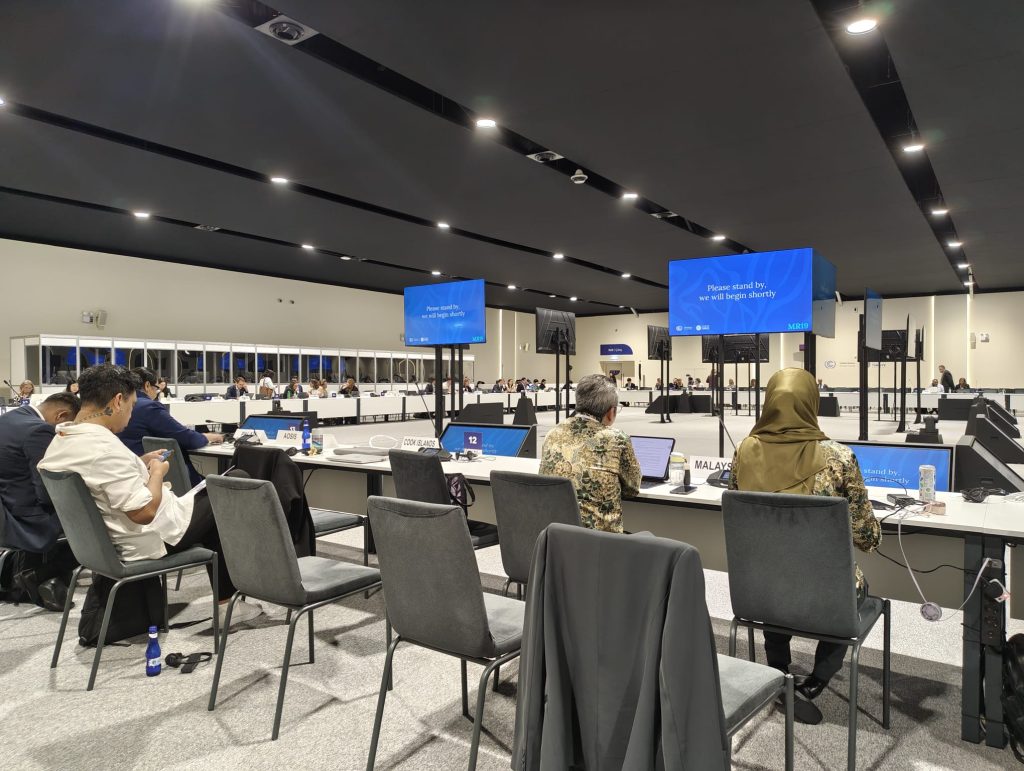
On Saturday, November 14, 2026, Day 6 of COP 31 at the Expo Center in Antalya, Türkiye, technical and procedural negotiations continued across the Blue Zone as the conference reached its midpoint, coinciding with the thematic focus on Children, Youth, Education and Skills. Alongside this, the COP 31 Presidency convened its third round of informal (which are still quite formal) consultations on strengthening the UNFCCC process. Unlike closed-door drafting sessions, this one was open to accredited observer organizations like us from RES Foundation. Co-facilitated by representatives of the COP 31 Presidency and the Presidency of Negotiations, the room brought together procedural specialists, legal advisers, and national delegates from major negotiating blocs and individual Parties. However, as delegates themselves noted during the session, the room was noticeably half-empty, a visual reflection of the confusion surrounding the mandate and status of these talks as overlapping negotiations competed for the delegations.
At the core, these Presidency consultations are an effort to address the strain on the UN climate regime, which has expanded over three decades into a calendar of hundreds of mandated events, overlapping agenda items, and tens of thousands of participants. Unlike formal agenda items governed by strict treaty mandates, Presidency consultations are exploratory, non-binding dialogues convened to test the delegations for institutional reform, ranging from agendas and to potentially shifting away from annual COPs toward a multi-year cycle. Despite lacking immediate legal force, these consultations carry significant weight, how the UNFCCC organizes its calendar, sets agendas, and structures participation directly determines whether smaller delegations can keep pace and whether urgent climate decisions are accelerated or stalled by procedures. Yet because this track has no fixed textual outcome, Parties remain deeply divided not only over what should be reformed, but over how the Presidency should manage the process itself.
During the first half of the session, Parties and blocs took the floor, beginning with India, Guatemala, Colombia, Malaysia, New Zealand, the Philippines, Mauritius, Kyrgyzstan, Nigeria, and South Africa, followed by the Maldives, Egypt, Norway, the United Arab Emirates (which had to be skipped twice before finally delivering its intervention), the Alliance of Small Island States (AOSIS), Brazil, the European Union, Mexico, the Independent Association of Latin America and the Caribbean (AILAC), and the Arab Group. Following a short summary given by the COP presidency, the atmosphere shifted from routine statements to a confrontation. The Russian Federation took the floor to complain that the organization and procedures of these consultations were unclear compared to the previous year’s process. The Arab Group immediately reinforced this critique in a markedly stronger tone, pointing to the half-empty room as proof that the purpose, timing, and status of these informal consultations were badly communicated and risked sidelining delegations while consequential governance questions were being discussed. When Norway intervened to defend the Presidency’s organization as clear and well-structured, a polite diplomatic rebuke of the Arab Group’s complaint, the Arab Group representative erupted in an elevated, impassioned outburst, insisting “for the sixth time” that while the group had remained cooperative and constructive, the Presidency’s handling and treatment of these informal conversations were “frankly concerning.” This confrontation prompted the Like-Minded Developing Countries (LMDC) to take the floor in support of the Arab Group’s demand for clearer procedural transparency and the distribution of written reflection notes, similar to the practice followed at COP 30 in Belém. Georgia then closed the speaking list by stepping into a sort of middle ground, attempting to offer practical alternative ways forward to bridge the divide over how the consultations are documented and conducted. But rather than committing to issue the requested notes, the COP presidency closed the session by stating only that they understood the points raised and needed time to reflect on them.
The clash inside the room reveals a familiar strategic pattern in UN climate diplomacy, where major fossil fuel producers and heavy fossil-fuel-dependent economies, led here by the Arab Group, the Russian Federation, and key LMDC members, weaponize procedural grievances to slow down institutional momentum. By framing the informal consultations as opaque, pointing to low attendance as grounds to question their legitimacy, and insisting on formal written reflection notes, these actors stop substantive change before it can gain traction.
Photo credits: Perun Prodanović and Marko Macura