Author: Marko Macura
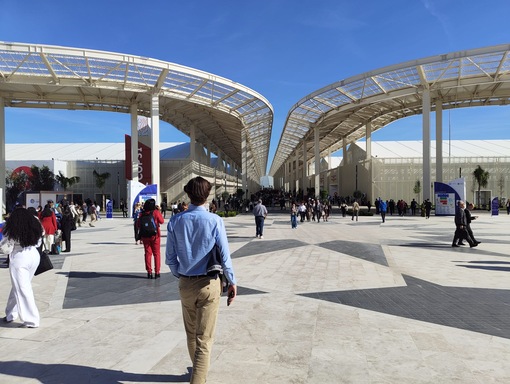
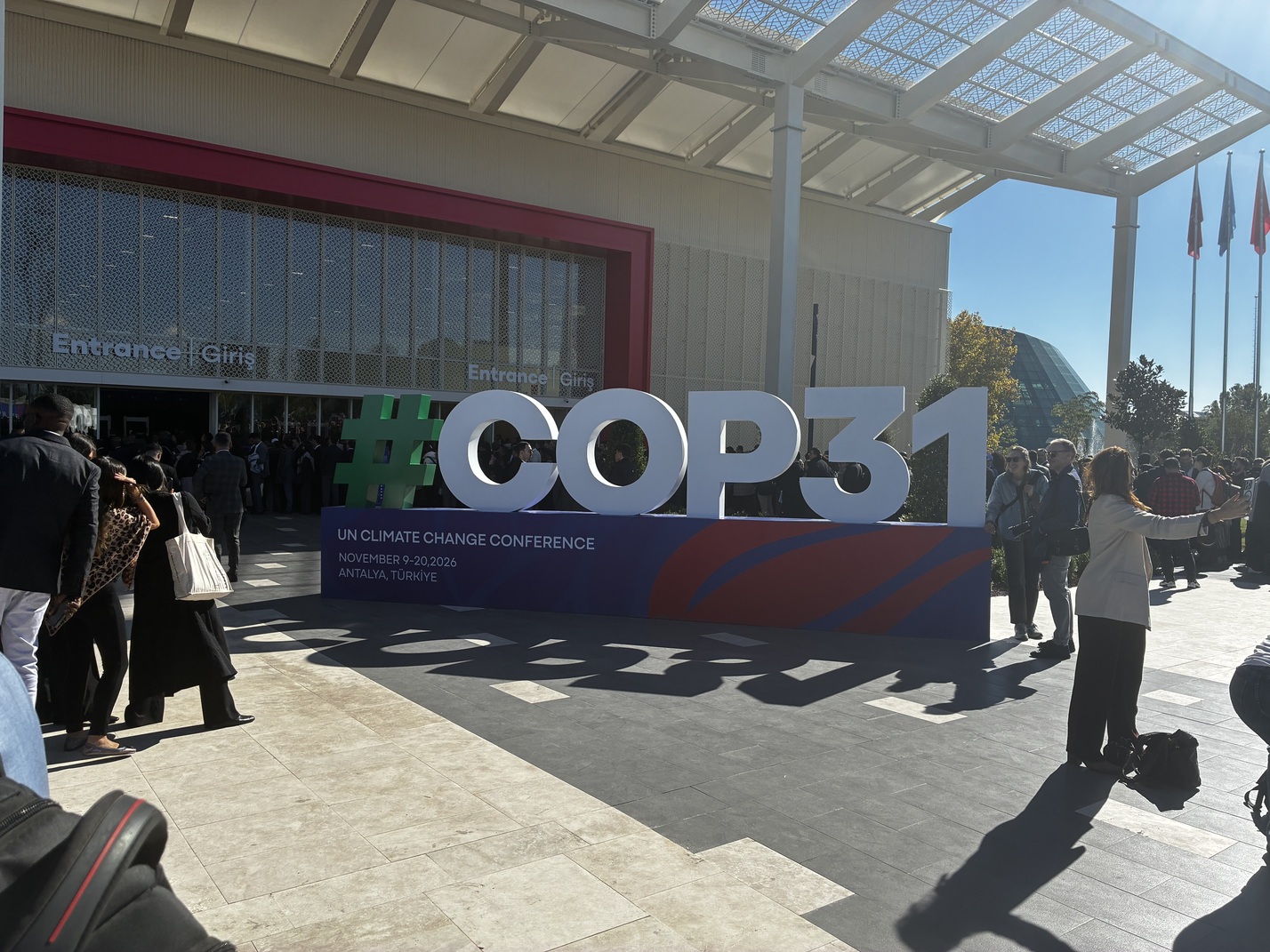
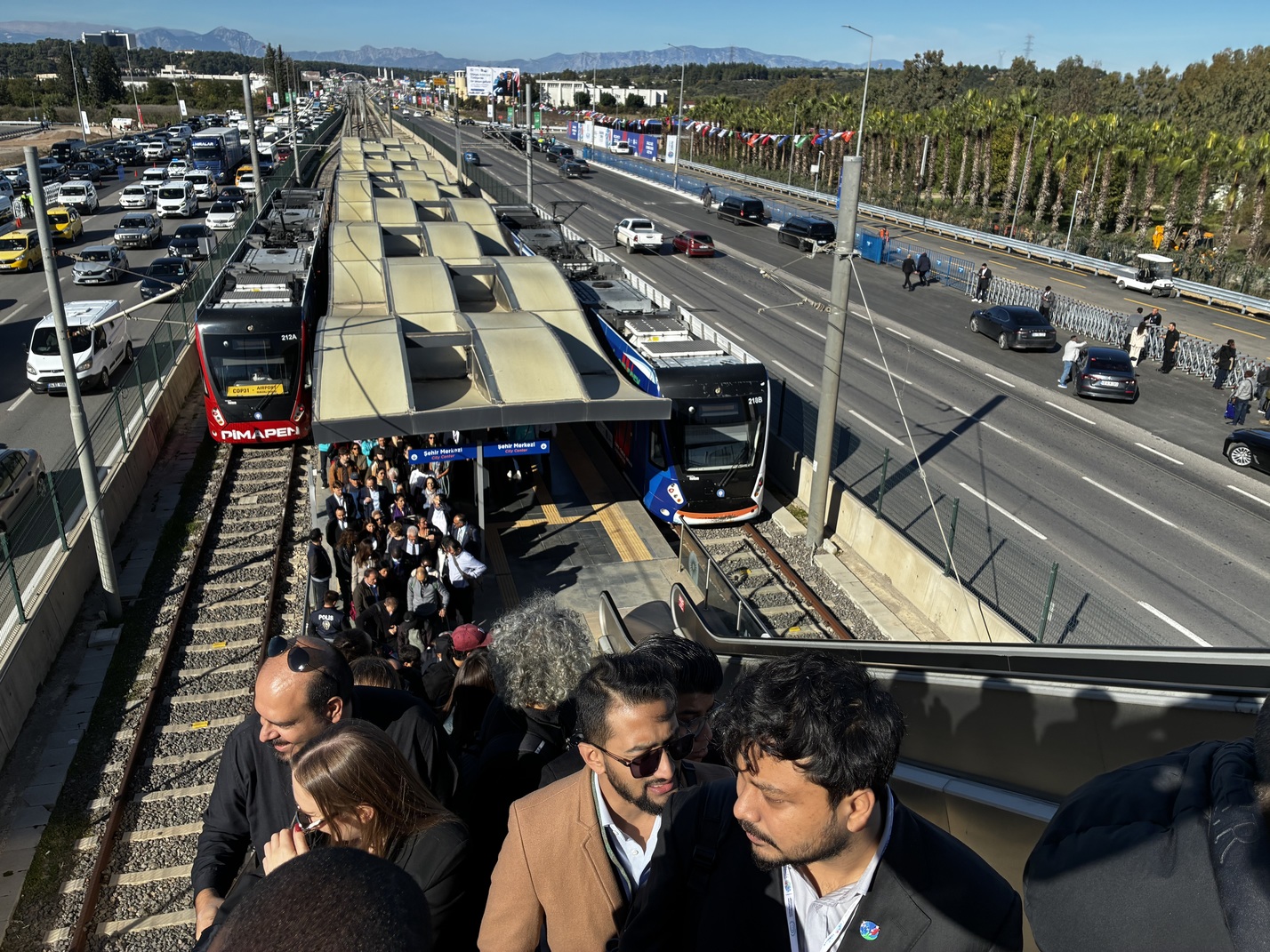
One of the achievements of social behavior is the spontaneous organization that emerges when people wait in line; on this first day of COP, thousands of people waited outside the entrance to the complex that hosted the 2016 EXPO. They had arrived in Antalya from many different countries to attend this year’s UN Climate Change Conference. Regardless of their origins, everyone waited in an orderly fashion and followed the organizers’ rules. Conversations struck up, and opinions were exchanged on various current topics. Whether this is a sign of things to come—and whether the conference will conclude in this same atmosphere—remains to be seen.
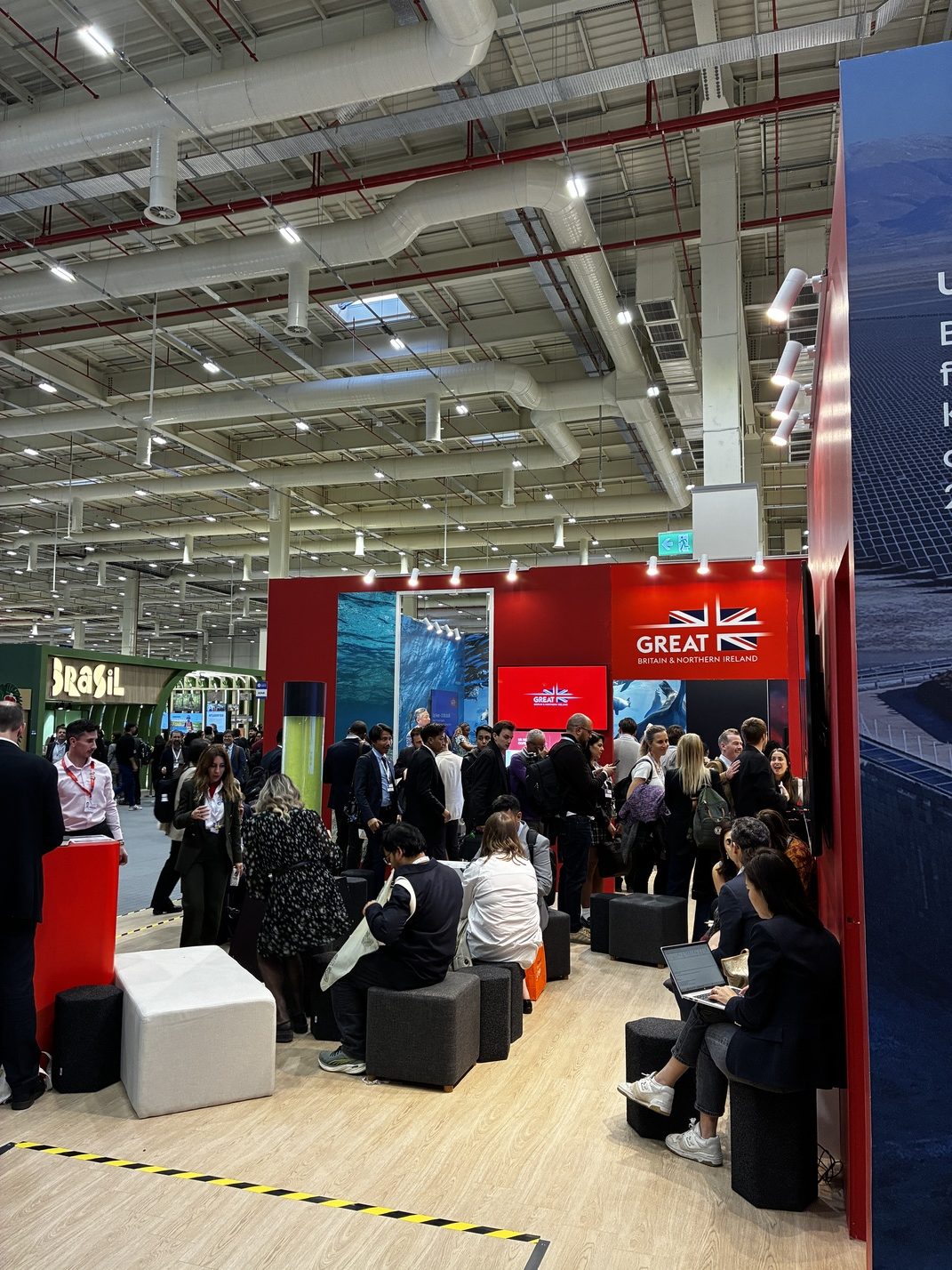
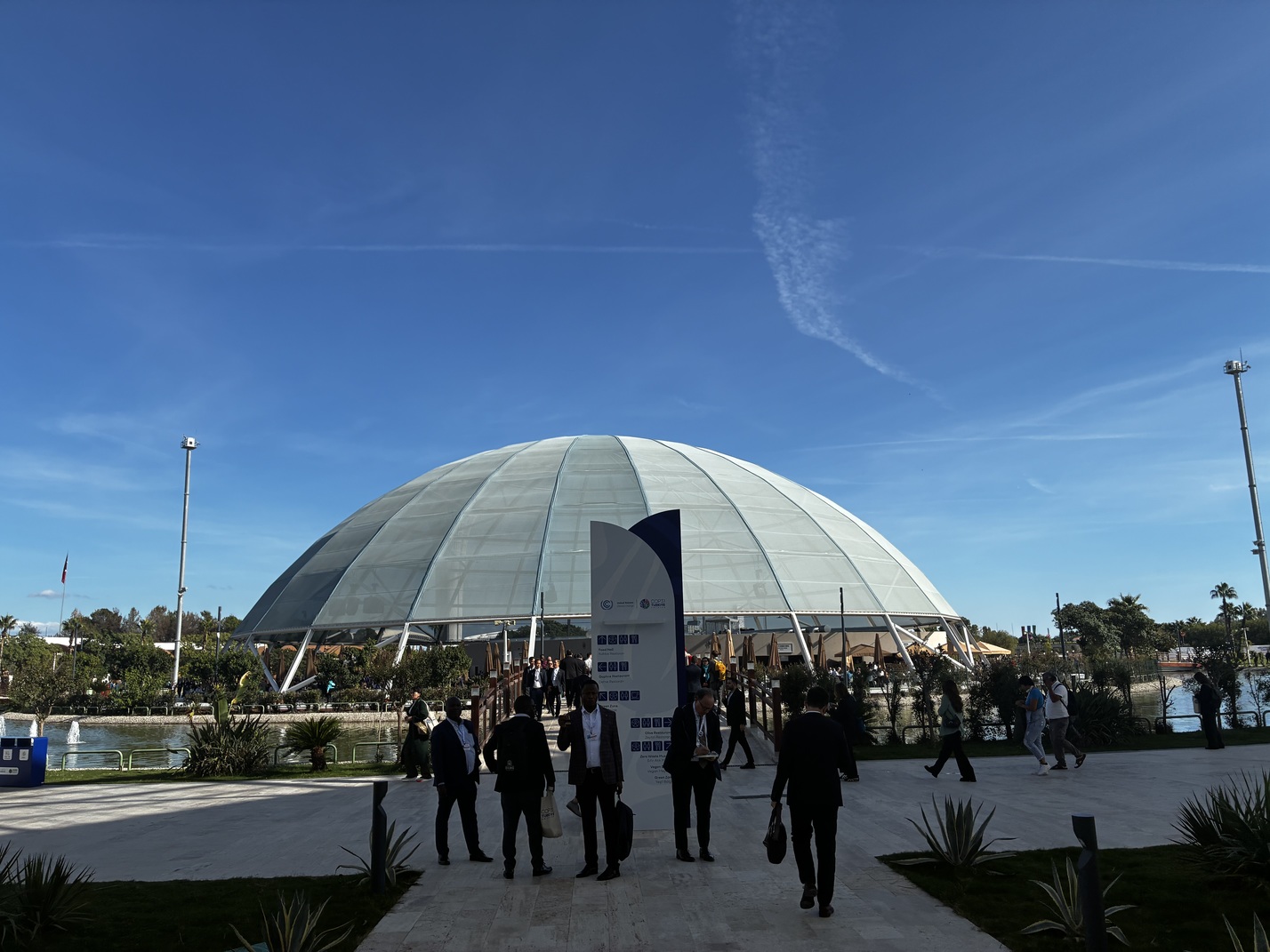
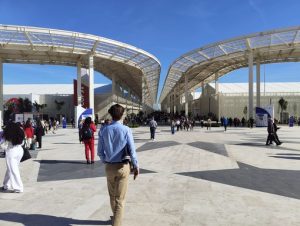
After receiving the accreditation, you enter the magnificent complex, which is easy to navigate with the help of an excellent mobile application. This space is being used in its entirety for the second time since construction, and this fact corresponds to the general theme of this conference: “zero waste”. The first thematic day was dedicated to food, health and agriculture. It was crowded in all parts of the complex, mostly in the state pavilions. The largest number of today’s panels took place there. There were a lot of important panels, such as the panel organized by Turkey and Brazil on the occasion of monitoring the progress of last year’s agreement, the “blue” panel of Turkey that dealt with monitoring the population of sea turtles and the impact of climate change on them.
From more specific topics, I would single out: the first Balkan expedition to the North Pole, organized by Bulgaria, and a project that foresees the active participation of the audience in discussing the potential outcomes of today’s plans until 2053 in the Italy pavilion. In this building, there are pavilions of various countries and even certain organizations. They are also an opportunity to promote certain political messages. Iran used this opportunity to present its environmental losses in the war against the US and the “Zionist regime”. Ukraine also showed its biodiversity losses in the war against Russia.
Various organizations representing possible future important choices are located here. OPEC has its pavilion in the immediate vicinity of the organization of the International Youth Congress for Nuclear Energy (IYNC) and at both places a speaker is waiting for you ready to answer any question and tell you the facts about his organization. Here, you can also see the magnificent pavilions of Saudi Arabia and the United Arab Emirates, two countries that have a significant share in the distribution of world oil. Tall, darker-skinned people in their loose tropical t-shirts, originally from islands in the Pacific Ocean, pass by those pavilions. Exactly these people, ie. their countries will be the first victims of climate change and sea level rise.
These scenes remind us again that this event is not an abstract thing, but a place where our future is negotiated.
Photo credits: Marko Macura and Perun Prodanović