The Law on Energy of the Republic of Serbia defines energy poverty as a situation in which a household does not have access to basic energy services – heating, hot water, cooling, lighting and energy for household appliances – due to a combination of factors such as low income, high energy costs, poor energy efficiency and social status.
That is a good definition. But measuring this problem in practice is not easy.
After the local elections on March 29, new councilors will sit in parliament with the opportunity to influence the fact that as many of their fellow citizens as possible have access to these basic services. Such decisions require data.
We do not know how many energy-poor households there are in the municipalities where the elections are held.
Therefore, based on the available data, we have prepared several indicators that can help in understanding the risks.
Housing stock: age as a signal
Good energy efficiency of buildings is one of the basic prerequisites for sustainable access to energy.
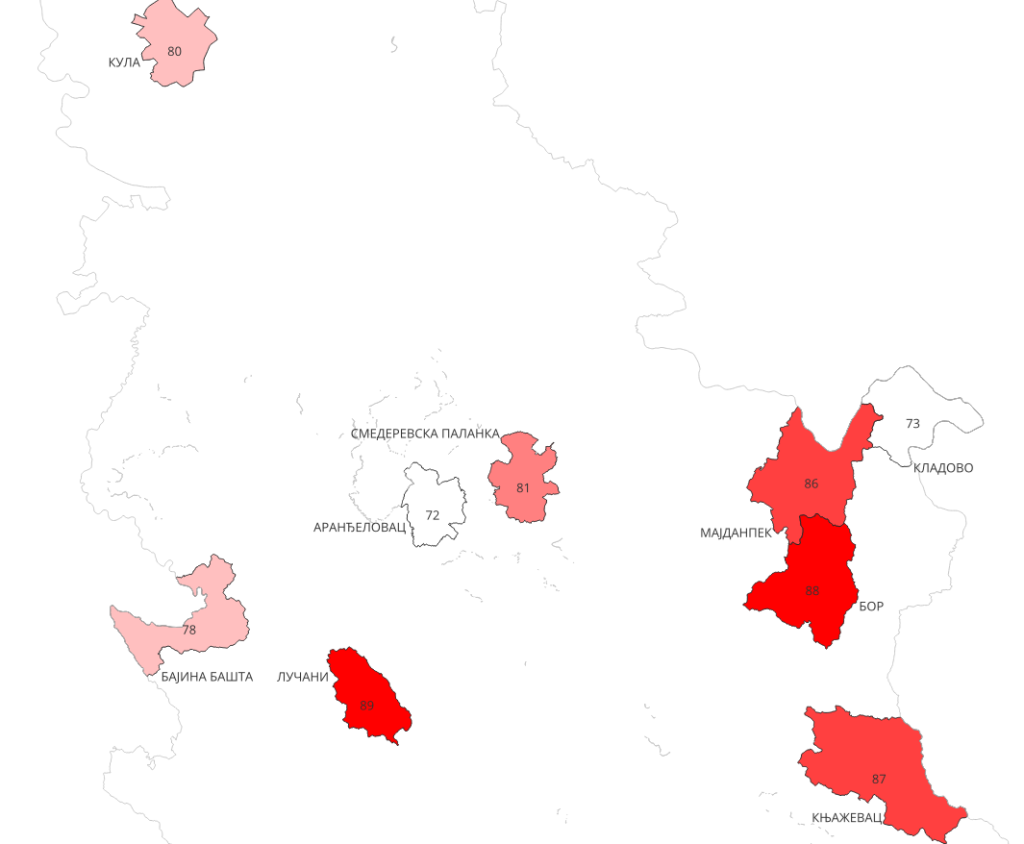
The year of construction is not a perfect indicator, but the age of the housing stock provides an important signal. That is why we share data on the percentage of buildings built before 1990.
Figure 1 shows where the housing stock is the oldest.
Heating method: the visible risk
The way we heat our homes directly affects our quality of life, our costs and our exposure to pollution.
Heating with wood, in stoves and furnaces without radiators, often means:
- low energy efficiency
- high pollution emissions
- higher risk of energy poverty
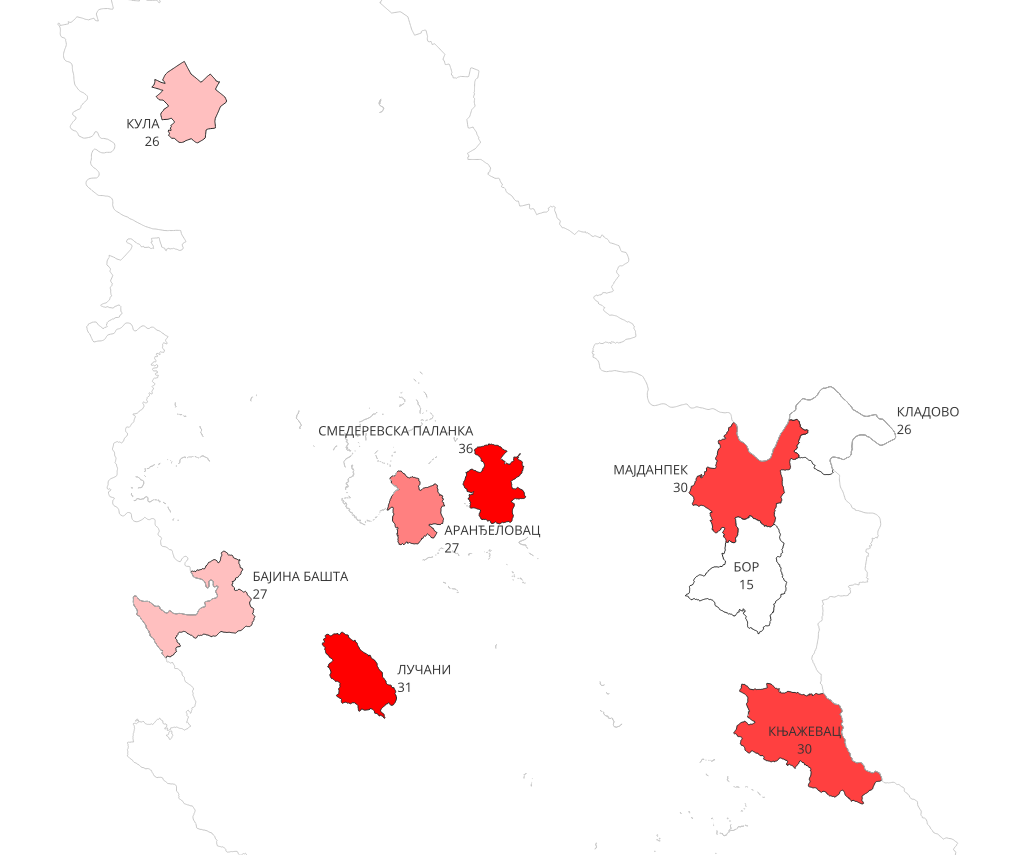
Census data allows us to see how many households still heat in this way.
Figure 2 shows where this risk is most considerable.
Who is at higher risk?
Energy poverty is not evenly distributed.
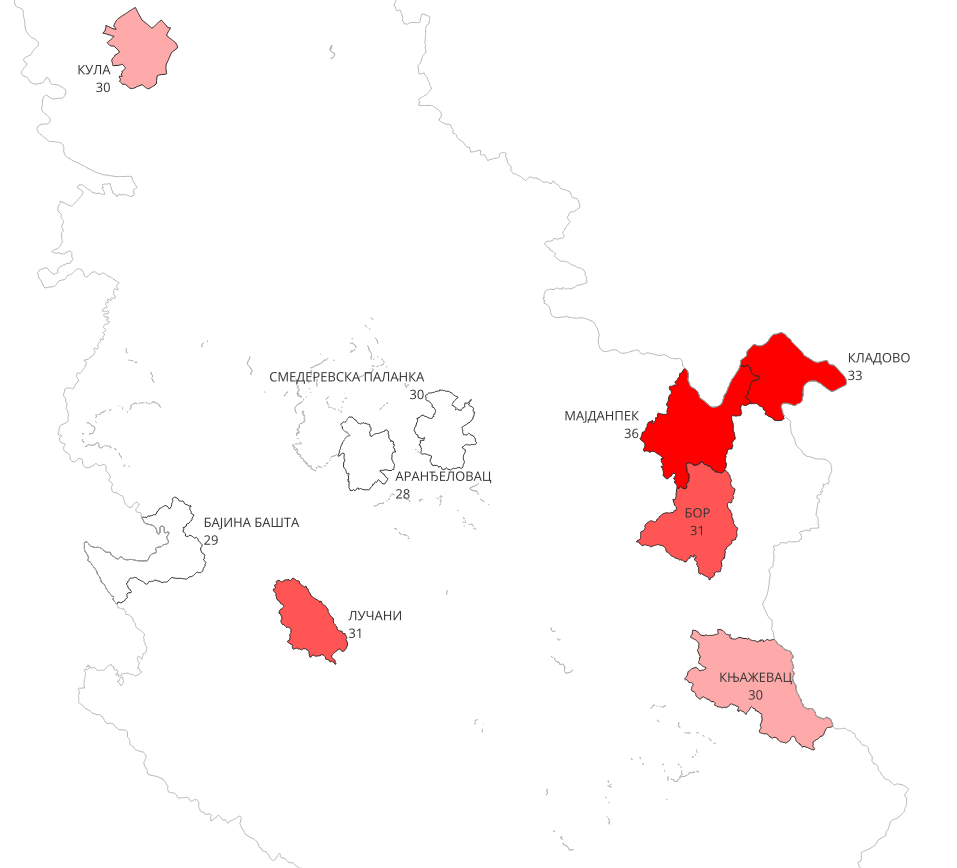
The following are at higher risk:
- single-person households
- households with five or more members
- the elderly
These patterns are well known, but it is important to see them in space.
Figures 3, 4 and 5 show how these groups are distributed across municipalities.
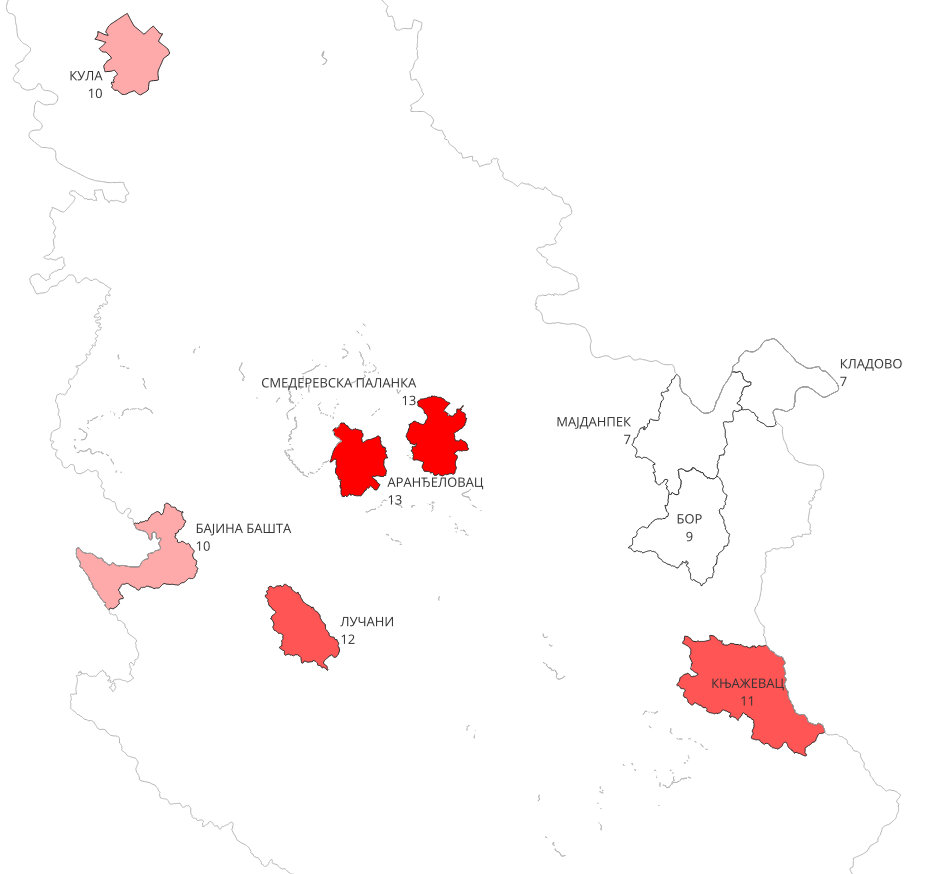
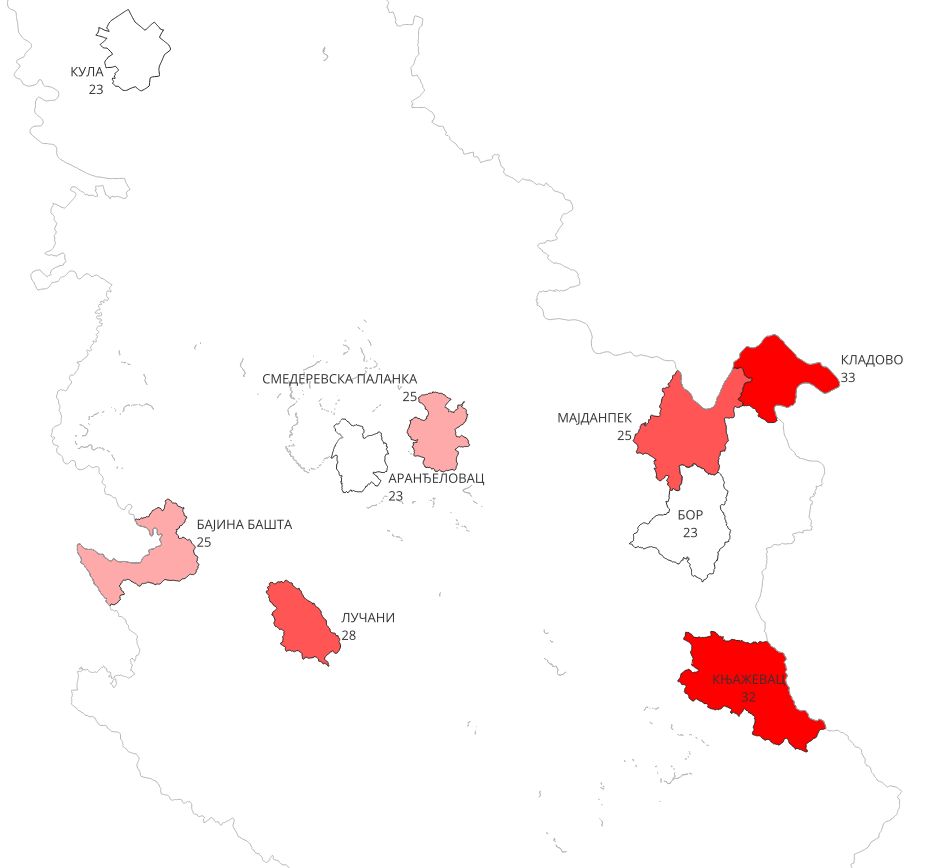
State aid: how much coverage depends on the rules
Serbia has a long tradition of supporting households through the status of energy vulnerable customers. These households receive assistance with paying their electricity bills from the state budget.
However, the coverage is not fixed but directly depends on the criteria.
That is why we compared:
- December 2023
- May 2024
Figures 6 and 7 show how the number of households covered changes when the rules change.
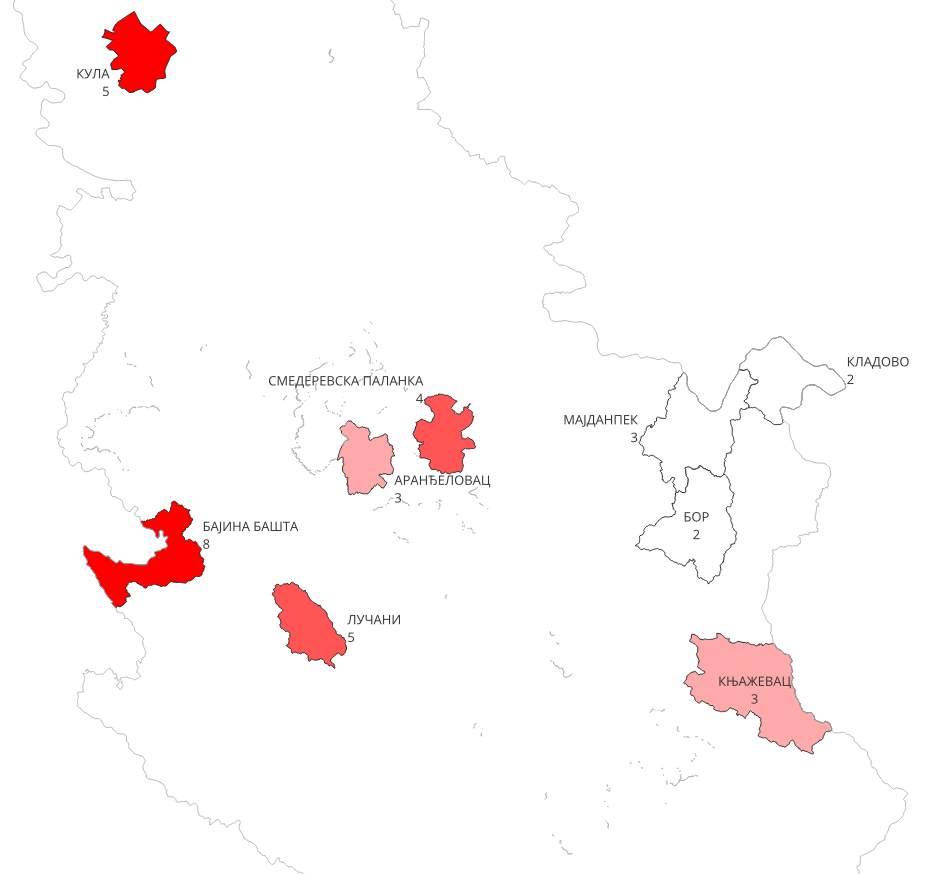
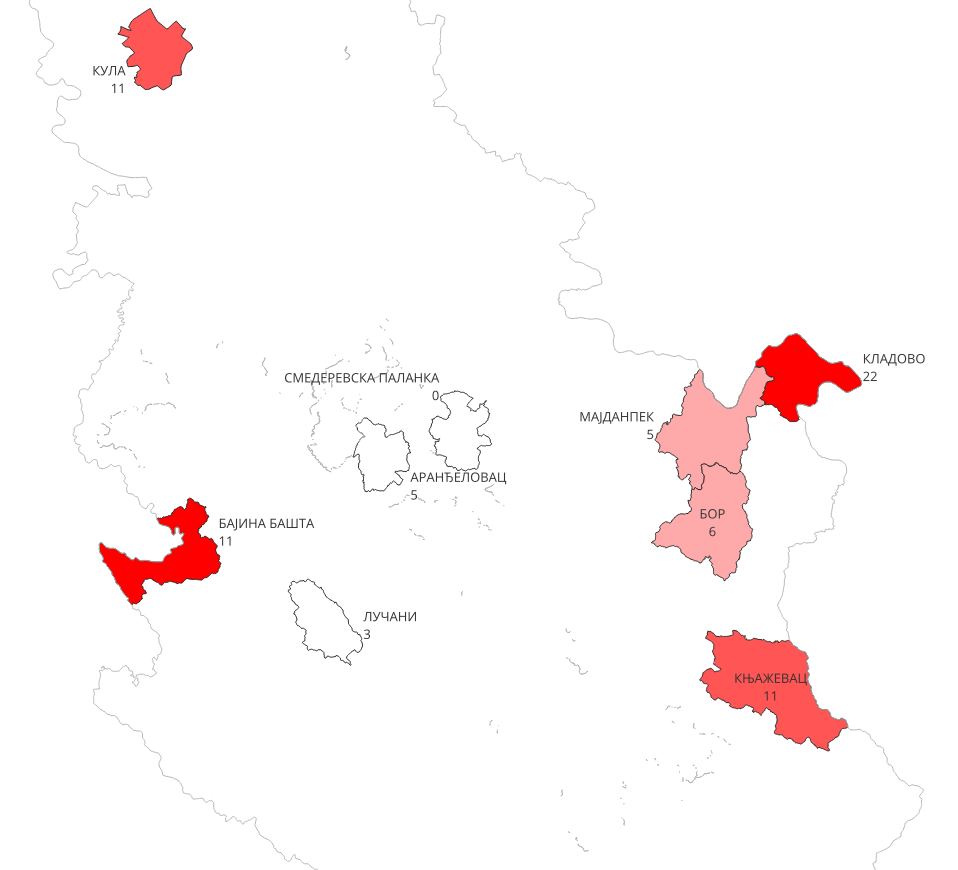
Public funds: how much is allocated – and what it means
We track how public money is used for:
- improving energy efficiency
- reducing pollution from individual sources
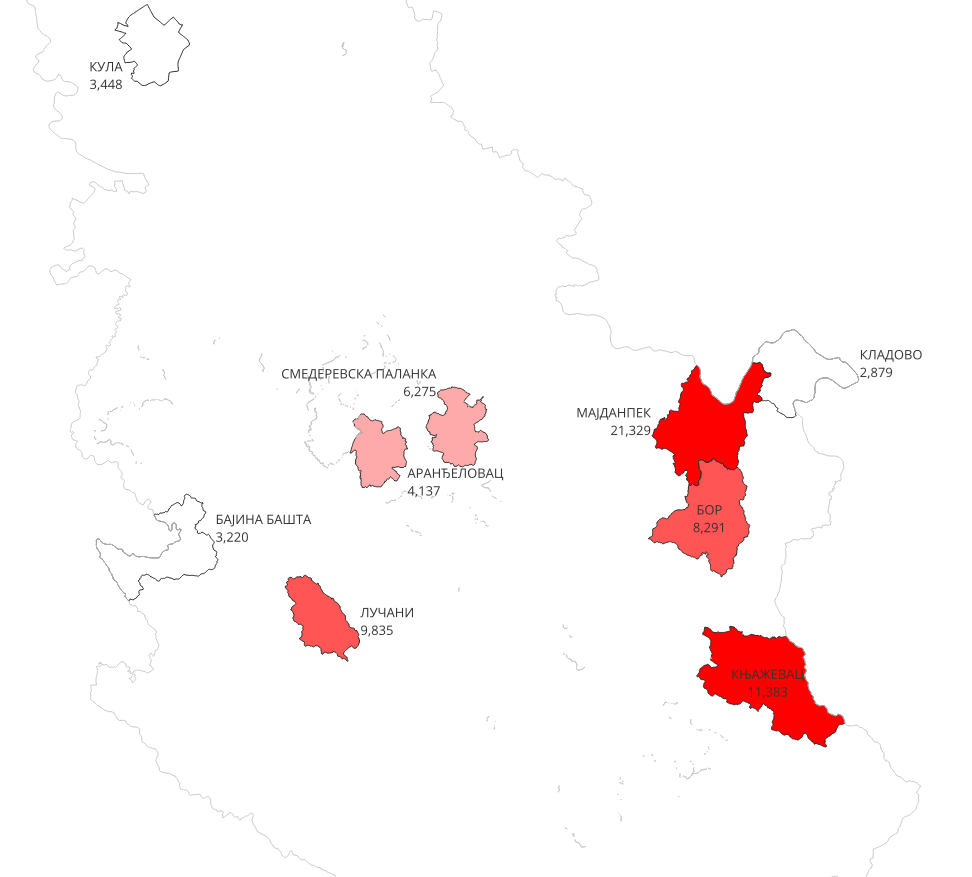
The last map shows the average allocation of public funds per household in the period 2021–2025.
Figure 8 does not tell who the money went to.
But it does tell:
- where there is capacity to provide the funds
- where there is capacity to spend them
What’s ahead for the new councillors
The councillors elected on March 29th will have the opportunity to:
- understand how these funds are spent
- assess whether they are reaching those who need them most
- and, if necessary, change the way they are spent
Energy poverty is not always directly visible in the data.
But its risks are.
The question is whether we will recognize them in time.