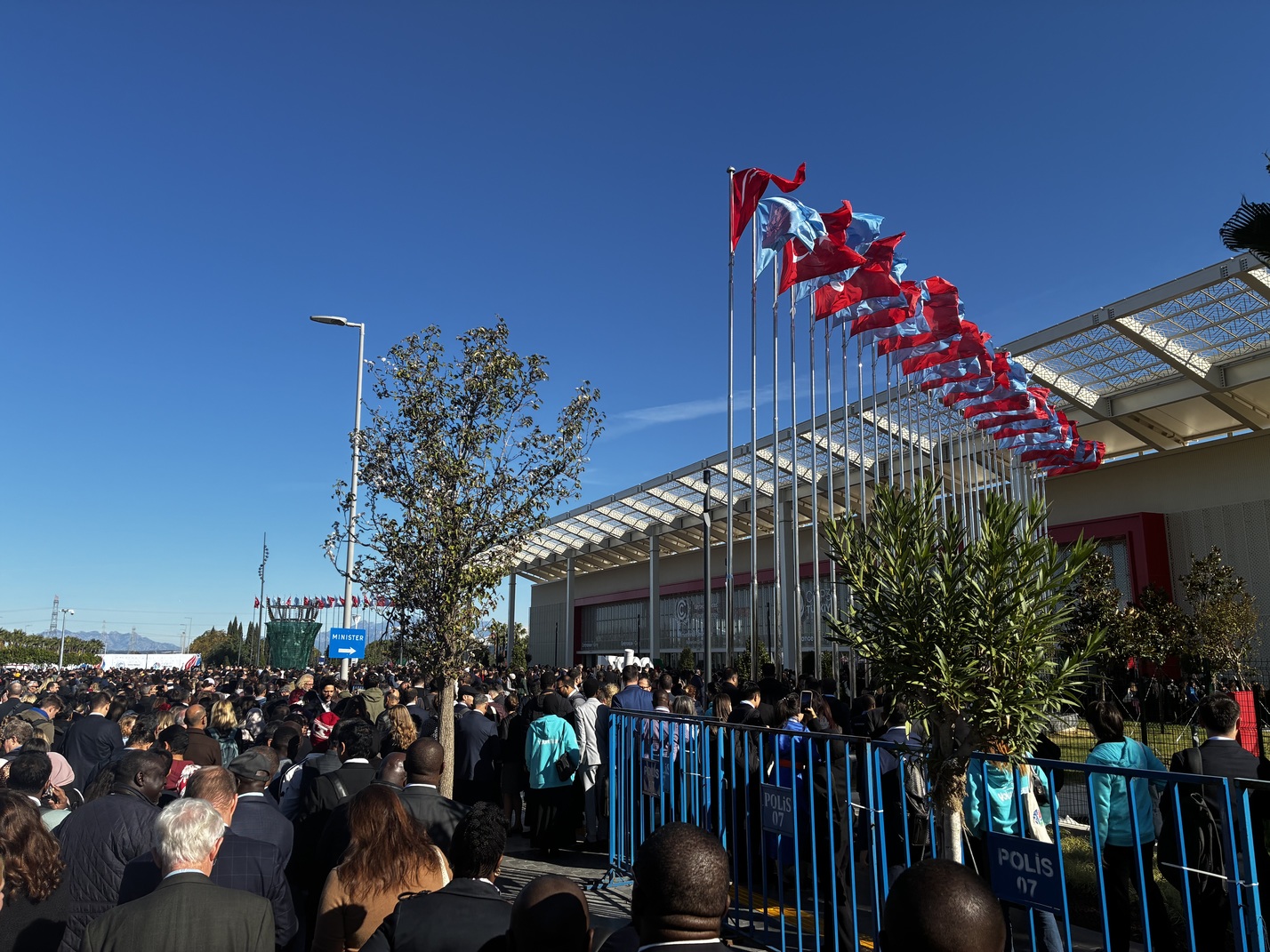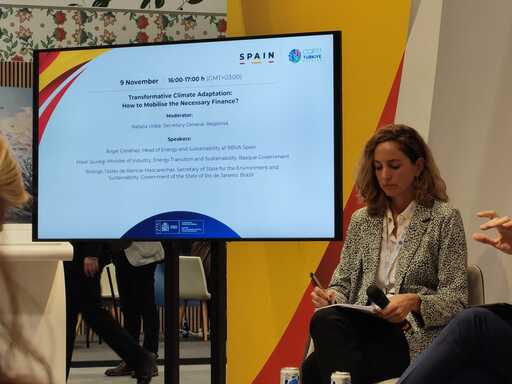
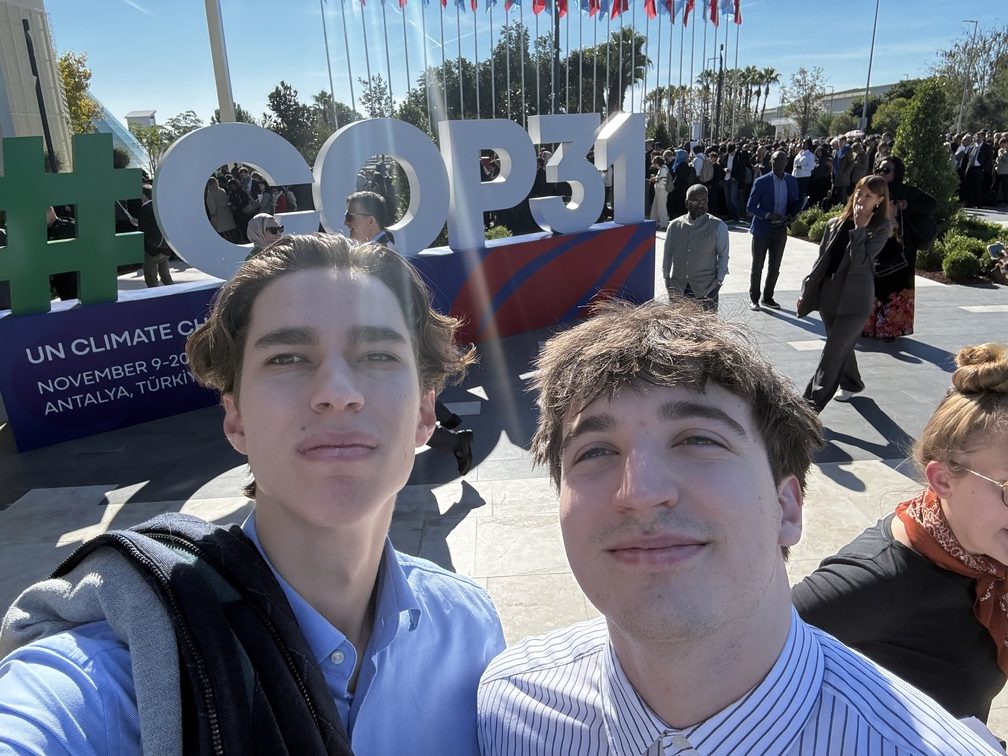
On the afternoon of November 9, 2026, the Spain Pavilion in the Blue Zone of COP31 in Antalya, Türkiye, hosted a panel titled “Transformative Climate Adaptation: How to Mobilise the Necessary Finance?” The event started at 16:00 local time and was organized by Spain’s Ministry for the Ecological Transition (MITECO) and broadcasted by the Fundación Biodiversidad. The main goal of the discussion was to find practical ways to turn climate adaptation ideas into bankable projects that can attract both public and private money.
The panel brought together a group of international speakers to address these financing challenges from different angles. Natalia Uribe Pando from Regions4 moderated the discussion, focusing on how regional initiatives align with global climate finance frameworks. The speakers were: Mikel Jauregi, Minister for Industry, Energy Transition and Sustainability, from the Basque Government; Ángel Giménez, Head of Energy and Sustainability from BBVA Spain and Rodrigo Tostes de Alencar Mascarenhas, State Secretary for Environment and Sustainability in Rio de Janeiro.
During the panel, the speakers shared specific strategies and practical challenges from their sectors. Rodrigo Tostes outlined several financial methods currently being applied in Rio de Janeiro to help mobilize adaptation capital. He highlighted the implementation of specific taxes on oil from Rio, which scale up to 5% to compensate producing regions, alongside the involvement of related public entities and dedicated financial structures like an Atlantic Fund. He also teased an upcoming government initiative, describing a system of “carbon credits for all emissions.” Mikel Jauregi built on the regional perspective by sharing examples of past climate adaptation projects executed in the Basque region, detailing how they were successfully structured, managed, and monitored by local authorities.
In contrast, Ángel Giménez explained the strict realities of how commercial banks evaluate risk when looking at these initiatives. He noted that financial institutions see a high level of risk in public service and government adaptation projects because it is often unclear where the long-term funds to repay the investment will actually come from. Throughout his intervention, he repeatedly emphasized that the ultimate necessity for the private sector is clear, reliable access to money.
The speakers agreed that relying entirely on traditional public funding is no longer enough to handle growing climate impacts. A major takeaway from the session was that capital is available, but there is a shortage of projects that are structured well enough for private banks to invest in. To fix this, the panellists emphasized that local governments need better technical support to package infrastructure and nature-based solutions into clear, investable plans.
Another key point was the importance of blended finance and de-risking mechanisms. The experts discussed how public funds can be used strategically, such as through guarantees, to absorb initial risks and make projects safer for private institutions to join. Finally, the regional case studies highlighted that adaptation finance must prioritize social equity, ensuring that investments go where they are needed most to protect vulnerable communities rather than just chasing the highest financial return.
The event ended with a consensus that climate adaptation should not be viewed as an expense, but as a necessary investment to protect society and the economy.
Photo credits: Perun Prodanović and Marko Macura